#759 theoldmortuary ponders

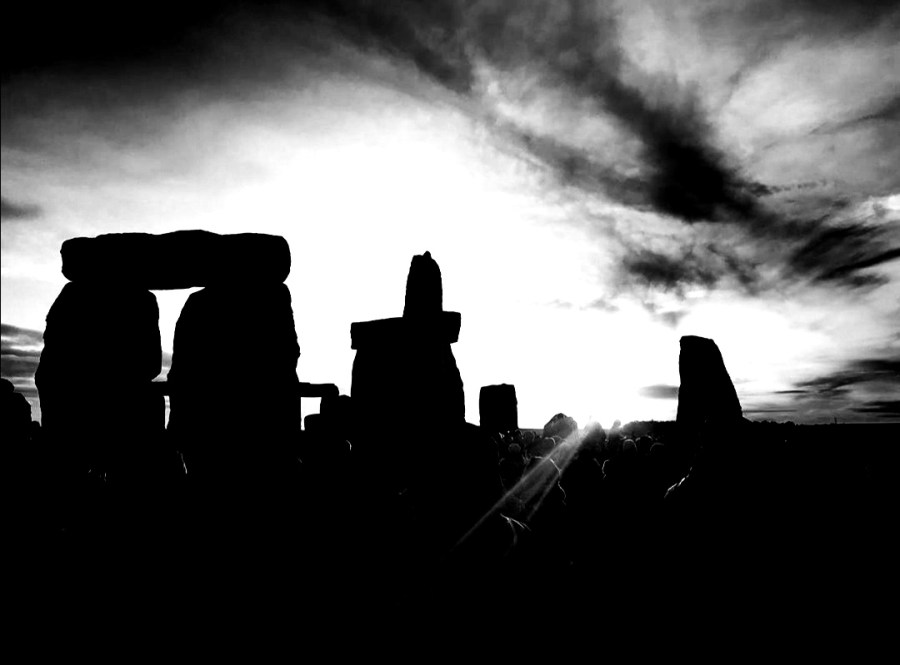
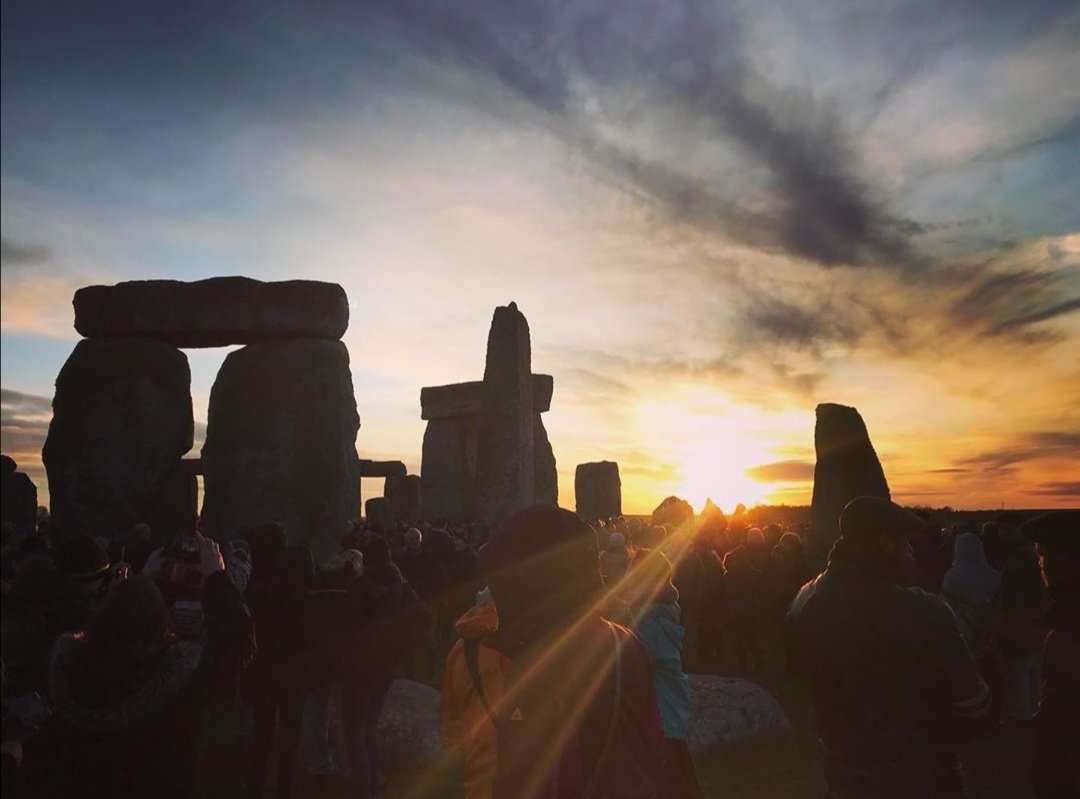
Winter Solstice ©theoldmortuary

Yule is associated with the Winter Solstice, so in the northern hemisphere, this Sabbat is celebrated around December 21st.

©theoldmortuary

Yule Traditions and Symbols

When the days got shorter and colder, candles and bonfires were lit, and everyone gathered to lure the sun back. Everyone brought food and enjoyed the feast during the festival. They danced, sang, and decorated their homes. These traditions are very similar to what we call Christmas.


©theoldmortuary

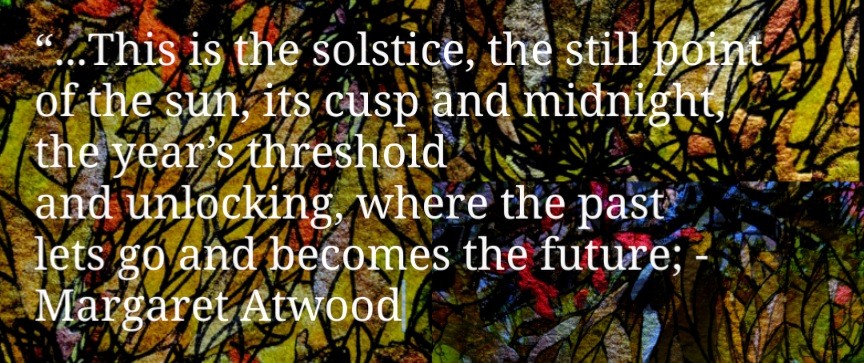
“…This is the solstice, the still point
of the sun, its cusp and midnight,
the year’s threshold
and unlocking, where the past
lets go and becomes the future; – Margaret Atwood

#752 theoldmortuary ponders.

Only a week until the Winter Solstice and the shortest day in the Northern Hemisphere. I am not a fan of the shorter days of winter. Dark by 6pm is just about tolerable with daybreak at about 8am and is about as long a night as I need in winter.The extra shortness of days in December and January are, to me, unacceptable.The hours not in darkness should be cold, crisp and bright with sunshine. Is that too much to ask for?

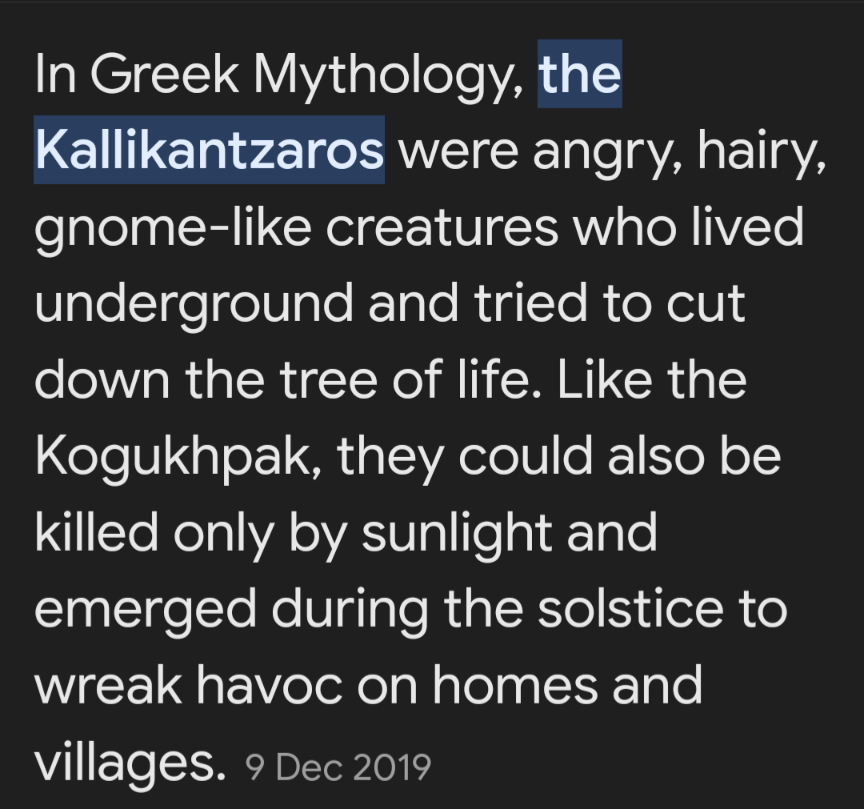
Despite disliking the short day aspect of December and January I have never actively sought out winter sun to break the mood. I am drawn to the folklore around a Northern Hemisphere Winter Solstice. I find it fabulously creative and intriguing, but the further north you go the shorter the days are. Not for me. My perfect trip at this time of year would need to be further South but hold something of the darker aspects of the Winter Solstice. Greece turns out to be perfect for my needs. At this time of year. They have the Kallikantzaros, mythical bad lads, not dissimilar to trolls or gnomes. Slightly longer days and sea water at a temperature that I would happily swim in certainly sweetens the deal.

Which takes me to the answer for today’s prompt.

What cities do you want to visit?

Nafplion is already a favourite city for three seasons of visits, now I have discovered that winter can provide me with angry, hairy creatures at Winter Solstice, there really is no reason not to visit in December.

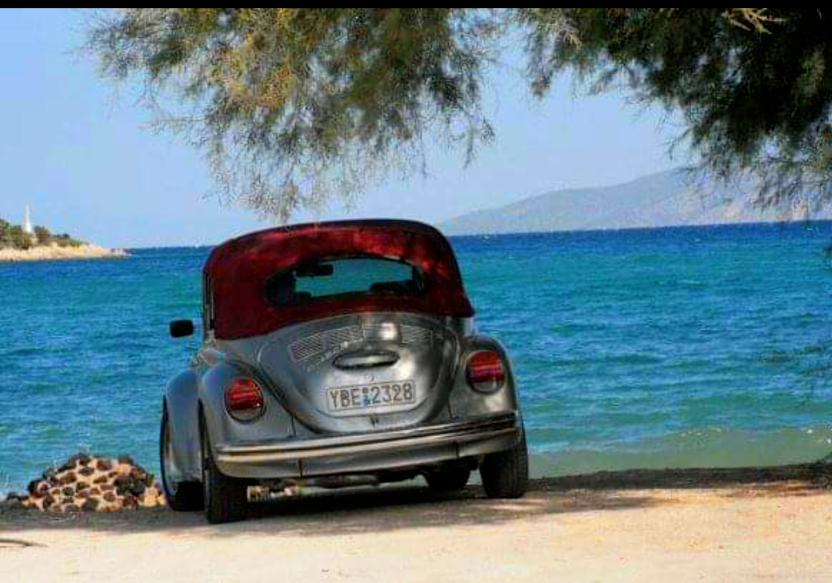
No reason not to park overlooking the sea.

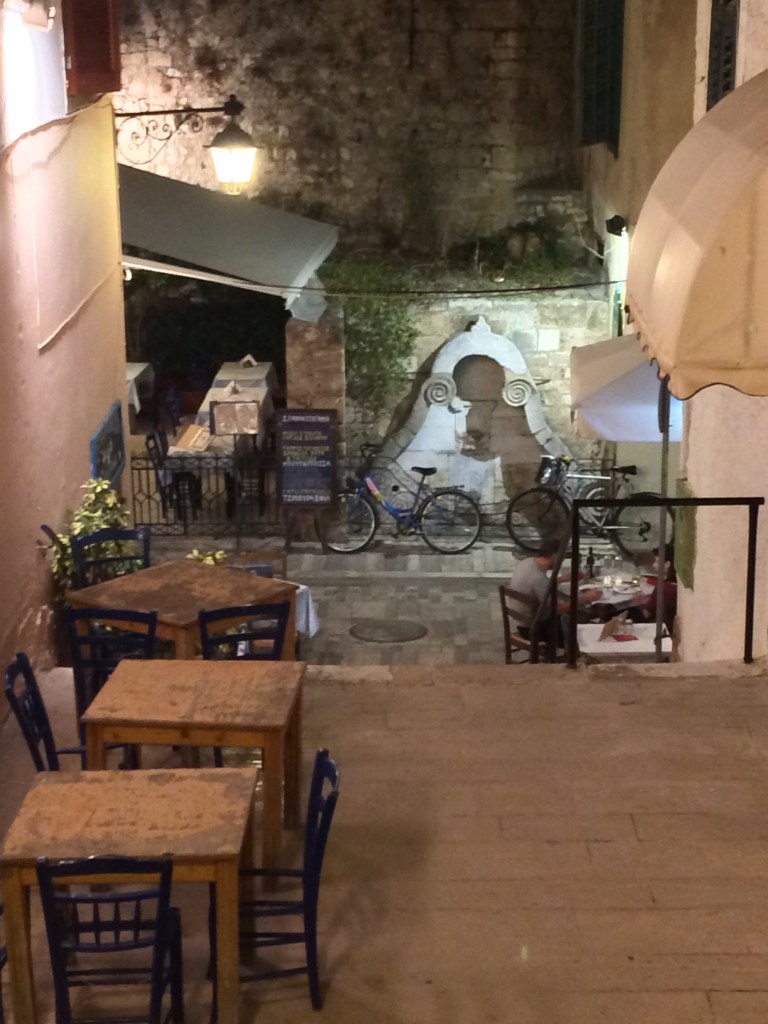
No reason not to enjoy a coffee in a back street.

And no reason not to enjoy a Greek sunset in December.

With the possibility of meeting some mythical angry, hairy creatures. Winter solstice goals all in the one small, Greek city.

#428 theoldmortuary ponders.

When I was a child our annual holiday was always taken in Devon. Getting there, or here as it is now for me,involved setting off from Essex in the dead of night in order to be at Glastonbury by sunrise. We did this every year without fail. Not to mark a solstice but simply to experience the stones at dawn. We were nearly always the only people there. Our car the only one in a chalky stoned car park with minimal fencing not too far from the site itself. We had foil-wrapped bacon sandwiches which emerged from a towel filled cardboard box, in my memory they are vaguely warm with the bread damp from softened butter. We sat on a blanket with our backs against the chosen stone and my dad made tea with a primus stove surrounded by whatever new contraption he had invented to make the process more slick. We ate our sandwiches, drank our tea, watched the dawn, packed up and went on our way. Dawn was at about 5:45, we were usually at our destination of choice, in Devon,by about eight in the morning and would park the car somewhere, usually by the sea, and sleep until lunchtime when the holiday properly began. This all seems mildly eccentric with hindsight. Although this was the sixties my parents displayed no other outward appearances or attitudes of being in any way New Age. The last time we did this my dad had filled the Primus Stove with fertiliser instead of fuel. There was no tea that year and never again was the strange holiday ritual enacted. The Primus Stove did not survive the fertiliser incident and with the loss of this one item, the spell, whatever it was, was broken. No photographs have survived of these events. I suspect there weren’t any, there were only ever three people in our little family and a photograph could only ever have shown two.

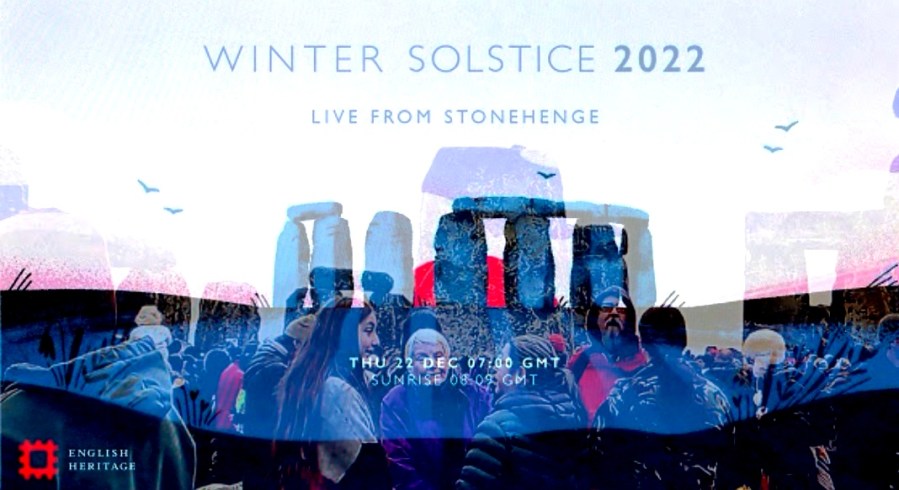
I drive past Stonehenge many times a year and am never tempted to stop. Now the ancient monument is protected from human touch for most of the year. Commercialised and controlled in the name of heritage preservation. I feel the urge to be with those stones but not in any way that is possible now. A mass experience would not be the same at all, but perhaps I could tolerate it with a warm bacon sandwich in my pocket.

Advent#34

The end of Yule and the end of theoldmortuary Advent. Starting on the first day of a chocolate advent calendar and ending on the last day of Pagan Yule. Fittingly, as with much of the festive season, today’s blog is about something Pagan that is enmeshed in the secular and sacred traditions of a Christian Christmas. Christmas is for everyone… Lights are not just for Christmas…

Christmas Lights

The custom was borrowed from Pagan Yule rituals that celebrate the slow returning of light and lengthening days after the Winter Solstice.

©Kate DuPlessis

For Christians, lights symbolise the birth of Christ, the bringer of light to the World.

William Holman Hunt

©William Holman Hunt.org

Light was created for Pagans with the burning of the Yule Log, early tapers and braziers.

Early Christians had much the same. Candles,gas lights and then electricity. In the mid twentieth century, it became popular not only to decorate the tree with lights but also to decorate homes and commercial buildings with strings of lights. Cities have year round light shows that are only marginally ramped up for the festive season

©theoldmortuary Hong Kong

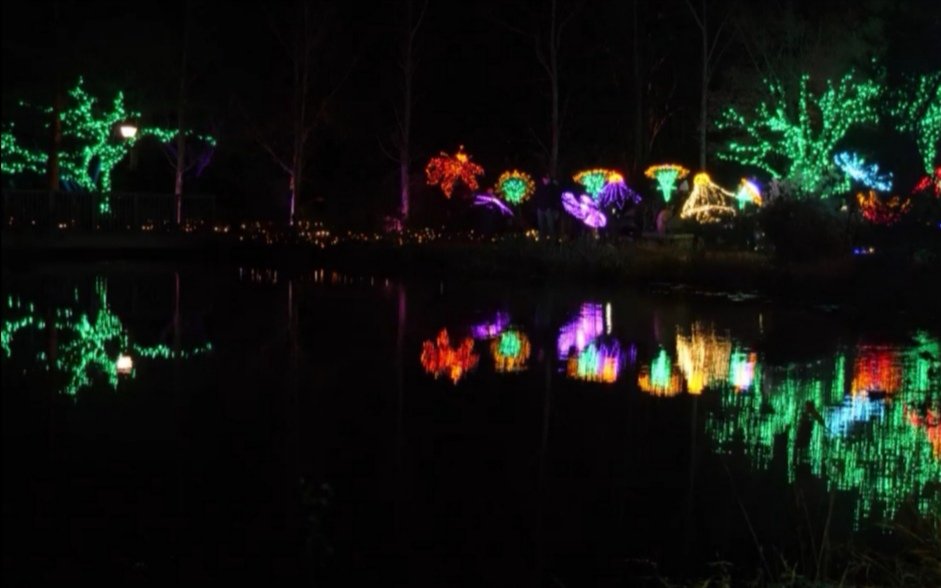
More recently, landscapes and country parks have realised the commercial value of having Festive Season illuminations.

Ginter Garden lights. ©Bob Kovacs


In many countries festive lights go up at the beginning of Advent and come down at Twefth Night or Candlemas.

But there is a new thinking out there…Psychologists suggest that putting Christmas decorations and lights up early makes people happier and the happiness spreads to friends and neighbours.
https://www.independent.co.uk/life-style/people-put-christmas-decorations-up-early-happier-feelings-stress-anxiety-december-experts-study-a8065561.html

It doesn’t stop there, keeping them up beyond Twelfth Night is also a good thing.

https://www.inspiralist.com/home-garden/when-take-christmas-lights-down/?utm_source=email&utm_medium=sharelink

Shared from Inspiralist – https://www.inspiralist.com

theoldmortuary adopted year round Festive lights long ago. Although we are often quite late to decorate for the festive season.

Both of us have a background of medical imaging. In the pre-digital age that required a lot of time in an actual dark room but even in the digital age it requires working life in a darkened room. Domestically our interior design is inclined towards the dark side. A little bit of twinkle is good for us.

The Cornish Range is somewhat aged and thankfully we don’t rely on it to feed us or heat the house. A little bit of Festive illumination gives it the look of fabulous domestic productivity.

So from the glowing heart of theoldmortuary, it’s farewell to Advent until December 1st 2020.

Tomorrow is another day.

Advent#22

Suburban Winter Solstice

Waking up on the morning after the shortest day is always a little bit perkier than waking up on the shortest day. We could have bust a gut to be at Glastonbury but the reality is that the solstice has been happening here in Gipsy Hill just as long as it has been just north of the A303.

This area of London was countryside until 1856 when the railway station opened. The abstract photograph above is of the sky above the council estate which was built on the original coal yard and sidings for steam trains. They brought prosperity to the area and crowds to the nearby Crystal Palace. The posh houses that were built on this part of Alexandra Drive would have been directly in line of the steam and soot of shunting steam trains starting and ending their working days. The corrosive effect explains why some of them have been rendered.

As a sideline Alexandra Drive was named for Princess Alexandra, the long suffering wife of Edward The Caresser. Edward VII, 10 years on the throne, a lifetime of sexual incontinence.

Before the railways not much is written about this location. Part of the Great North Wood, this particular area is where Gipsies lived and worked. Samuel Pepys mentions in his diary that his wife, Elizabeth came here to visit them.

Another sideline, Samuel also suffered from sexual incontinence and married Elizabeth when she was 14.

Street Art on The Paxton

There was a plague pit in the triangular park opposite the Paxton pub at the bottom of Gipsy Hill, also the location, occasionally of contemporary short-term Gipsy encampments.

Post Victorian development of Gipsy Hill has expanded as a South London suburb. It was substantially bombed during WW2 and had a nuclear bunker built in the Cold War.

Most importantly, Gipsy Hill has Fanny, the Gipsy Hill Cat. Often on duty at the train station and always available on her Twitter account. Fanny unites this suburb with her cuddles and affection on Platform 1.

Residents crowd funded when she had a mishap. The Friends of Gipsy Hill are building her a workplace garden. She also has a loving home and family when not on-duty.

Today she is the face of Suburban Solstice.

Last sideline, Fanny keeps herself nice.