Tate Modern has been stimulating the artistic taste buds and making people think for twenty years. It has become one of Britain’s most visited institutions. When I did a Fine Art Degree as a mature student, Tate Modern became my 3D immersive text book. So much so that my nine year old daughter spun round the Turbine Hall declaring it was her favourite place in the world. There are some amazing works of art there.
My current favourite installation. By Yinka Shonibare
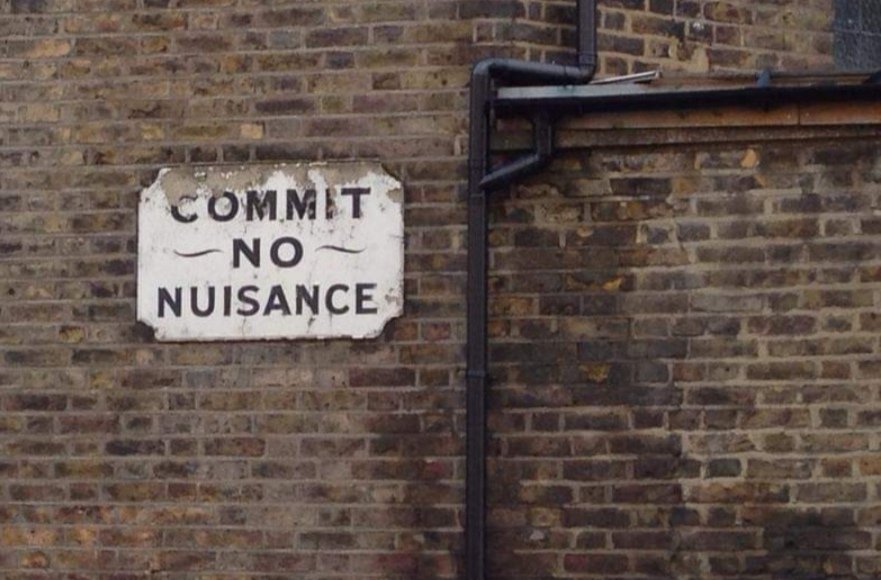
This is a lovely historic, Victorian, example of a “bossy” sign. It’s in Great Guildford Street, Southwark, London. I walked past it every day on my way to do Jury Service at Southwark Crown Court, which was a little ironic. No high tech crimes for me to struggle with. Just Ruffians, Pickpockets and Wankers. Exactly the sort of people this sign sets out to deter.
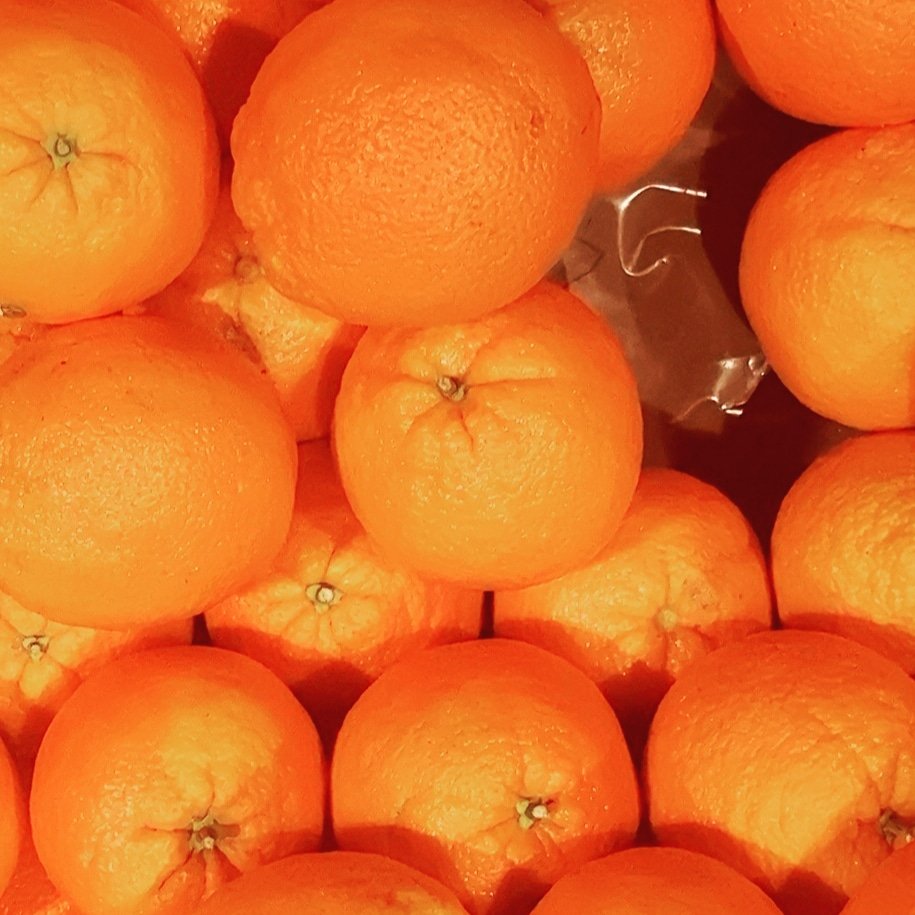
Yellow as a title was inspired by a trip to a nursery today. I want to paint some abstracts using shades of yellow as the only or principal colour, not really a colour I’ve ever had much success with.
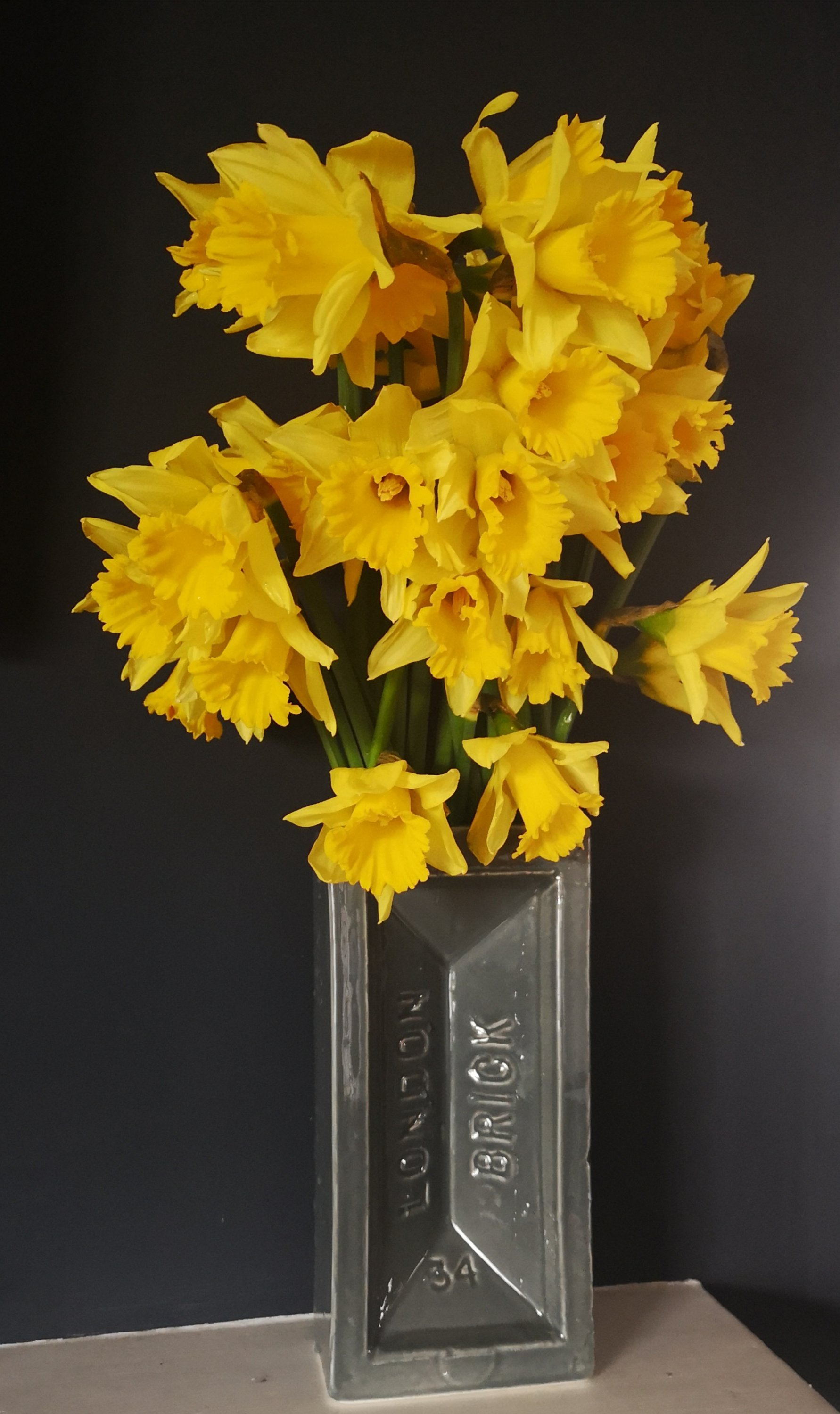
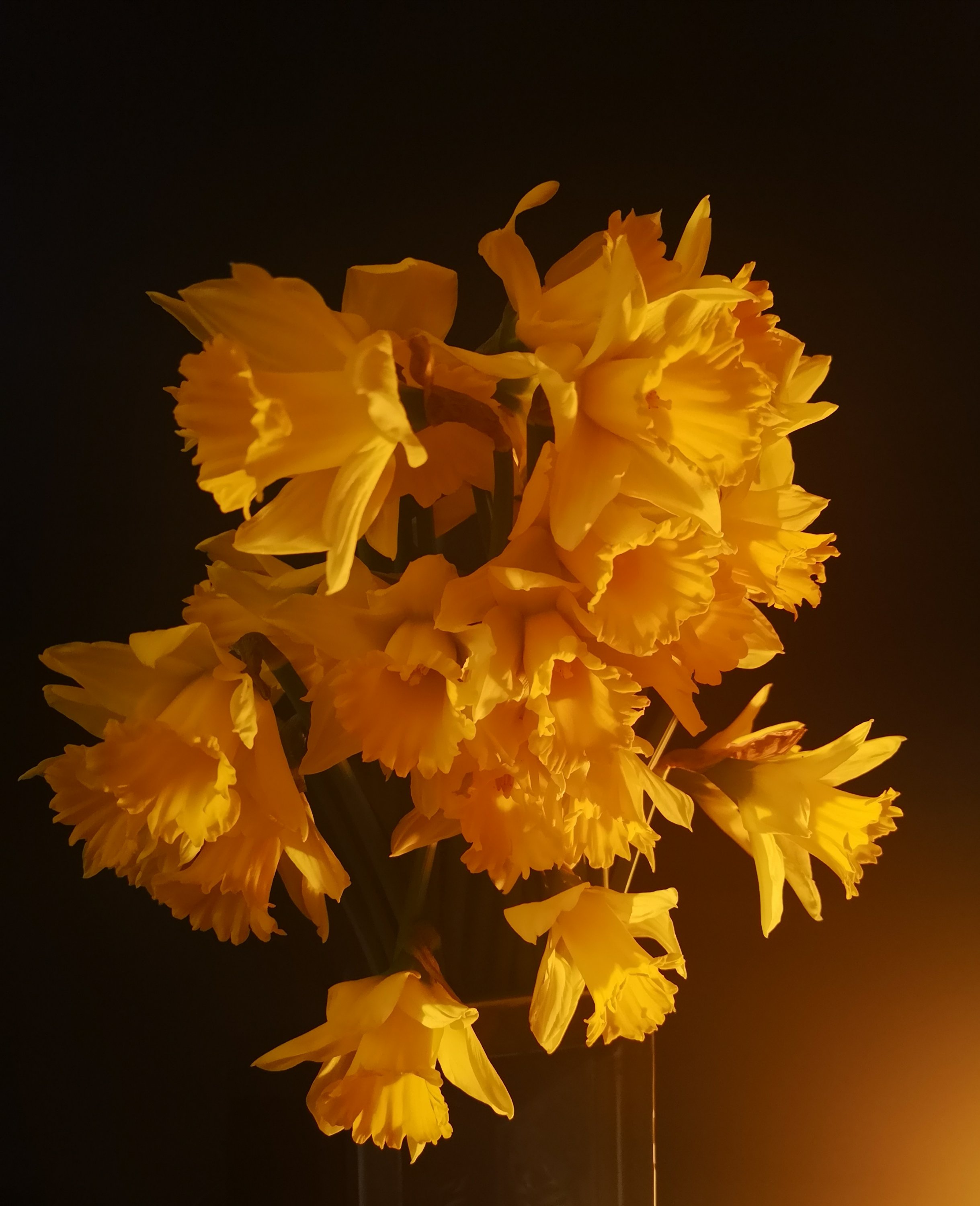
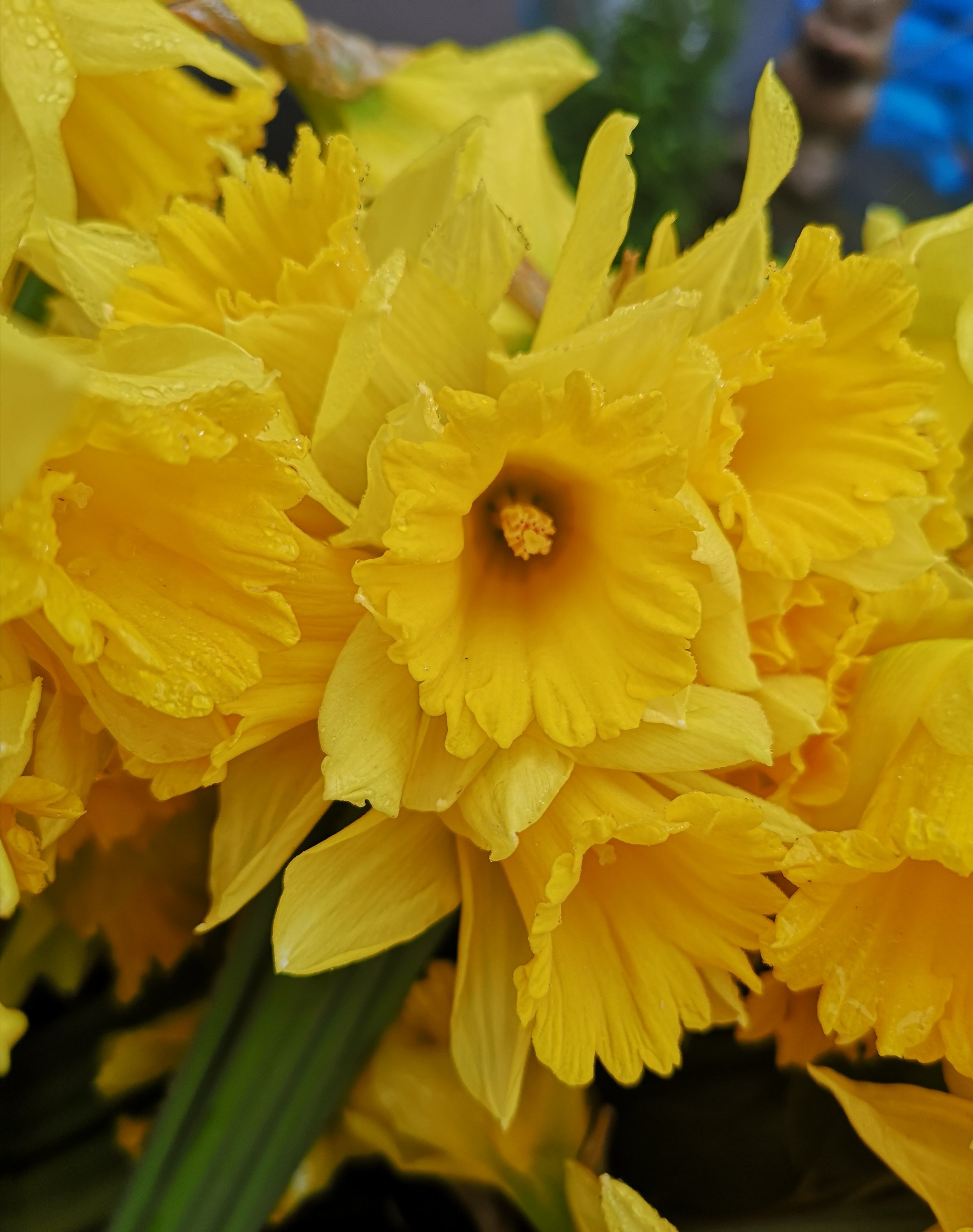
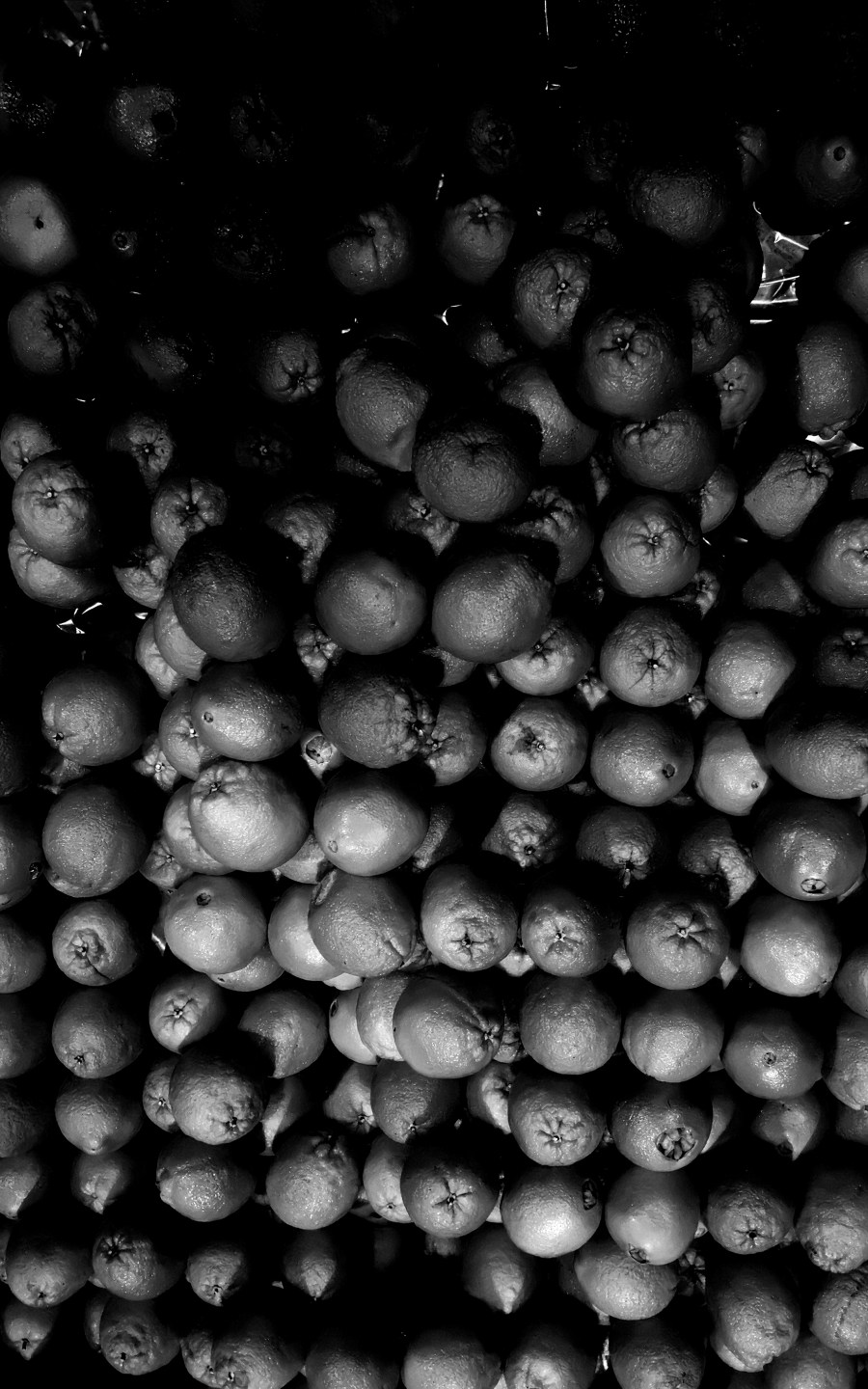
These beauties are pretty inspiring, photographed using a normal lamp to uplight them gives quite an abstract look.
Talking to Alan Elias and his daughter Georgina who welcomed my art group to their family run nursery was fascinating and inspiring. Their company has passed through four generations and their tales of horticulture in the Tamar Valley have given me plenty of thoughts to create a painting. It helps that their nursery is called Rising Sun.
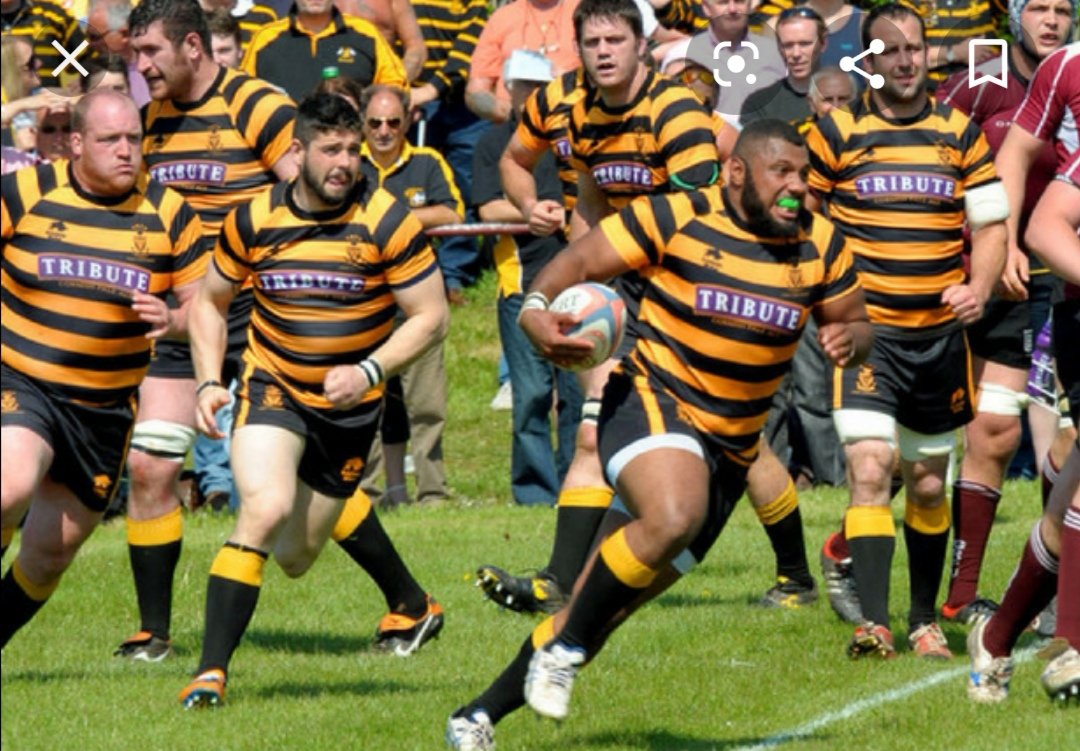
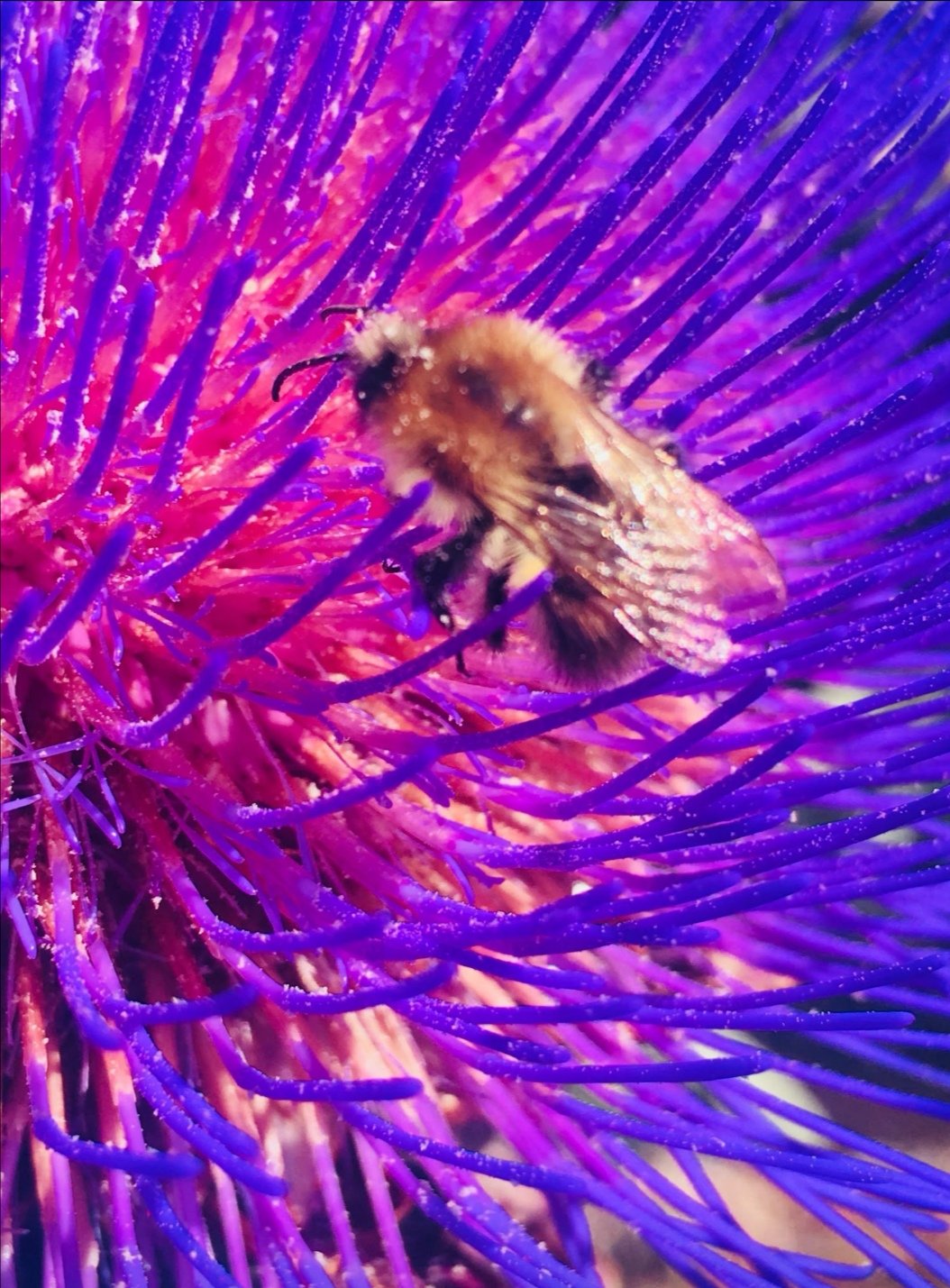
Daffodils are quite dominating this Yellow blog. It was a stroke of luck that the only photo of a bee that I had in my archive was doing his bee thing on a purple artichoke head, complimetary colour matching at its serendipitous best.Not so much serendipity more a way life, radiation signs are or were a big part of my life. Cornwall Rugby Union black and gold shirts. Both obvious and a warning.
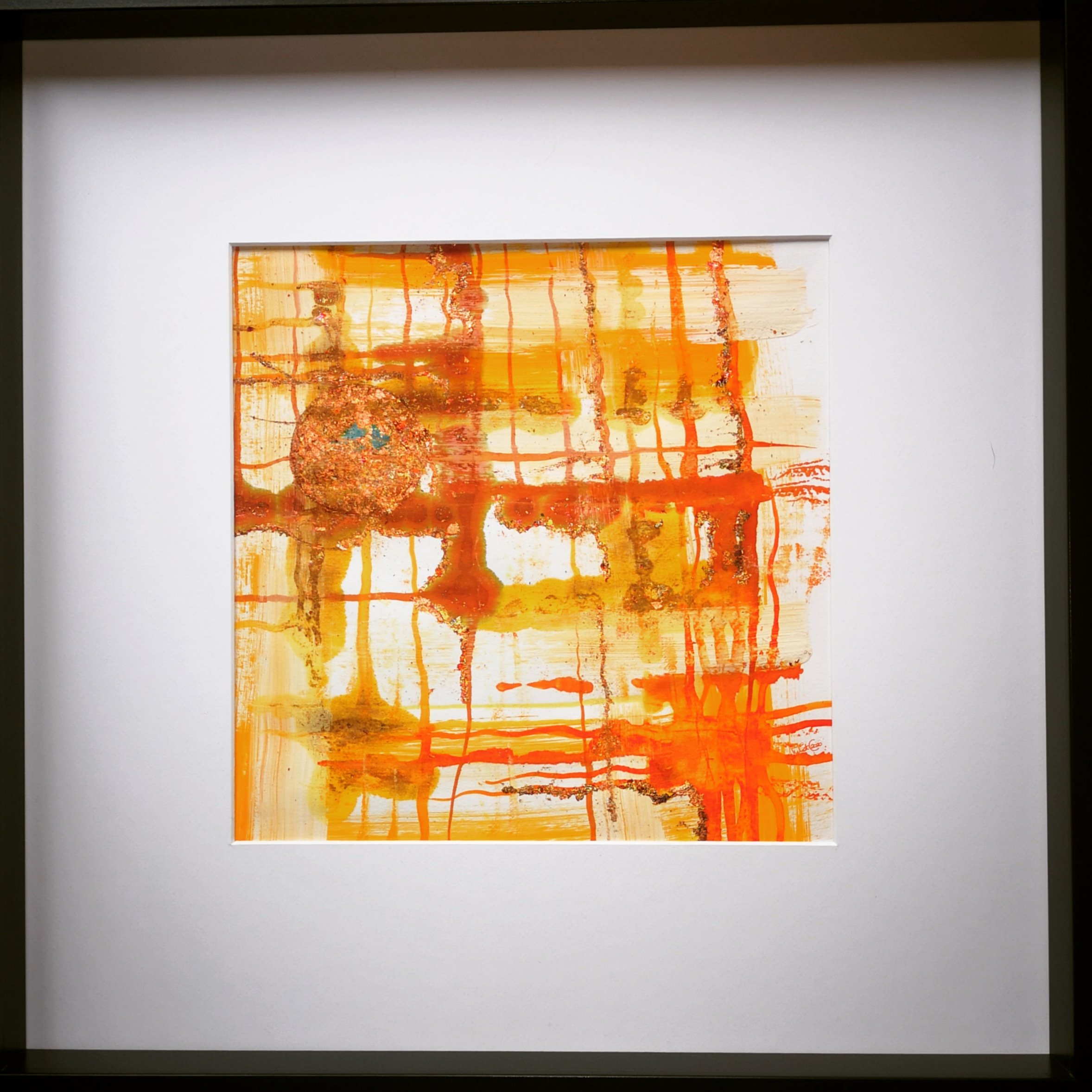
The colours and conversations of the day inspired the abstract below.
The death today of Terry Jones, founder of Monty Python, has produced the most loving of remembrances. Eloquence was his trademark and was sadly the thing that his dementia robbed him of.
Monty Python is credited with being an icon of 1970’s pop culture and the beginning of new wave comedy.
In a quiet corner of rural North East Essex the effect of Python, on me, was profound.
My parents had no fears of its influence on their only child. Friends with less enlightened parents gathered in our house to watch it, teaching me to be more sociable.
Python accompanied me through the awkward early teenage years from 1969- 1974. 45 episodes of surreal comedy not only made me laugh but exposed me to the establishment that they were disrupting with their anti-establishment humour.
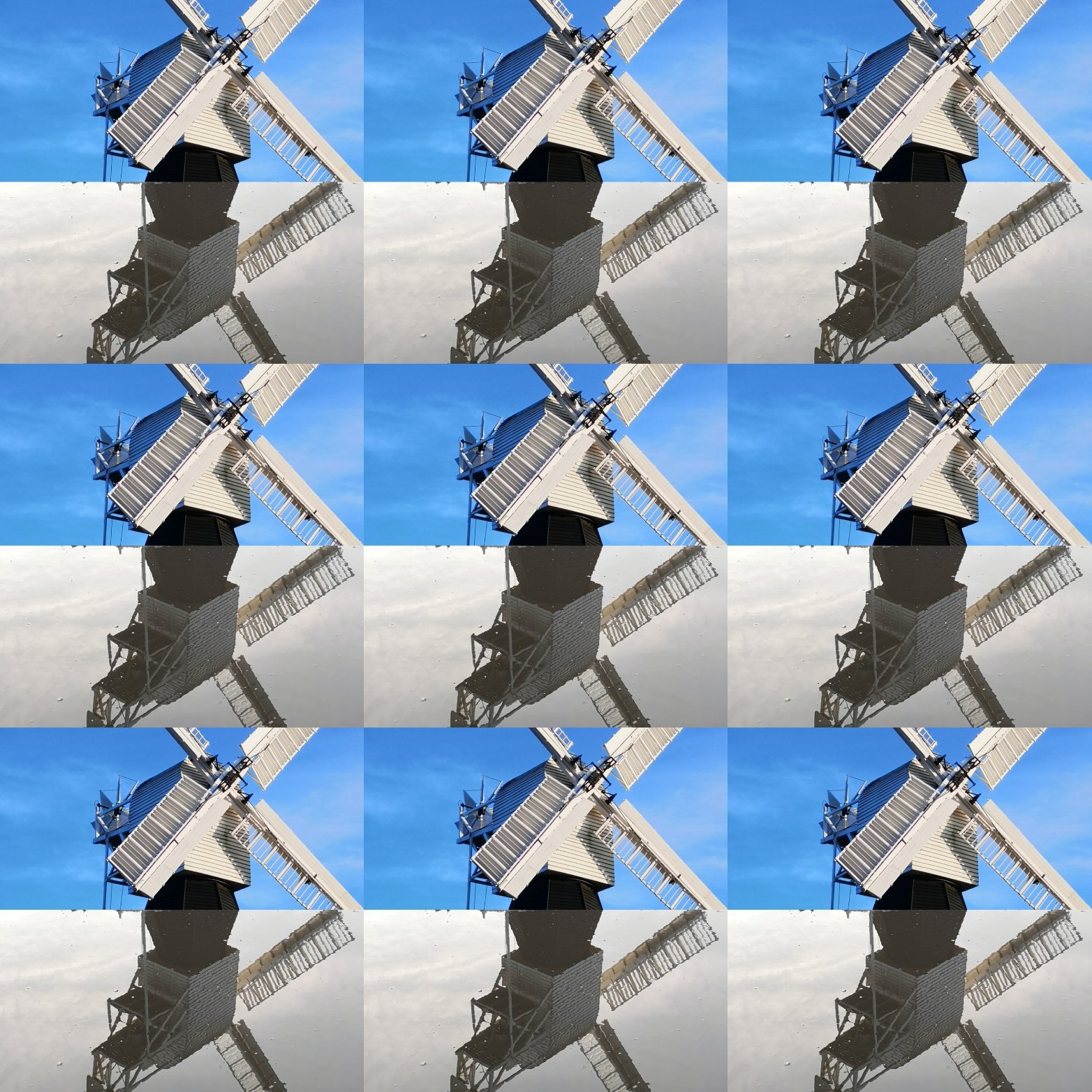
A windmill in winter sunshine and reflected in a puddle. Both images are unmanipulated but are cropped and edited together to give this interesting graphic image.
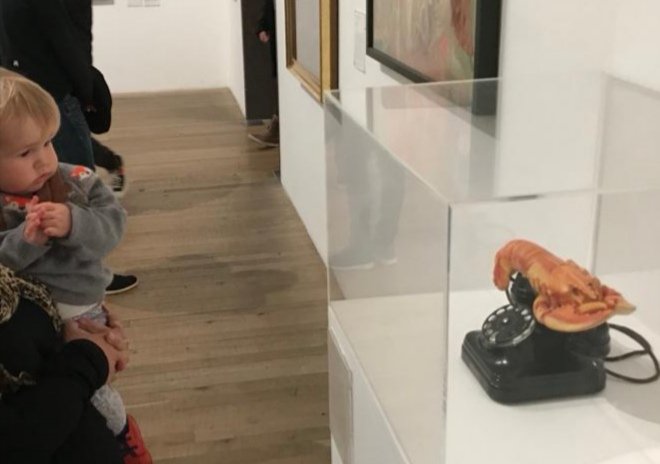
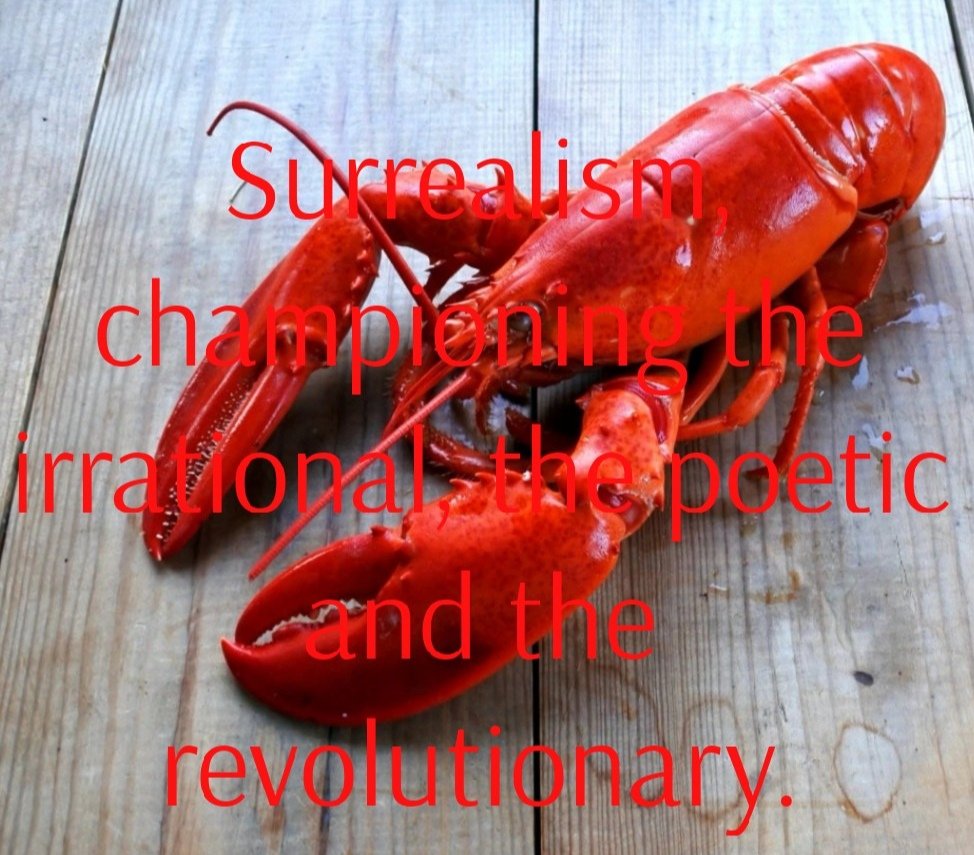
Explaining surrealism was not required on this occasion. This is a fine example of surrealism from Salvador Dali. The added surrealism of a landline phone, surely soon to be obsolete, intrigues me alongside a need for conformity which is illogical.
I’m bothered that it bothers me that the lobster has been put into the receiver by a left handed person. It troubles me more than the fact that it’s a Lobster which doesn’t trouble me at all.
I was driving over Dartmoor on Wednesday. This programme was on the radio. A fine example of serendipity. The artist featured in this broadcast is based on Dartmoor. I had never heard of Garry Fabian-Miller. Something I need to remedy, but for now his subject matter was what interested me.
Garry Fabian- Miller creates images with a dark room but not cameras.
His days in the darkroom are numbered as the production of photographic developing chemistry is coming to an end.
He speaks movingly about leaving his darkroom.
Darkrooms are one of the casualties of the digital photography/imaging revolution.
I don’t remember the moment when I left a darkroom for the last time.
It’s madness that such a significant part of my professional life slipped away unnoticed and without a fitting farewell.
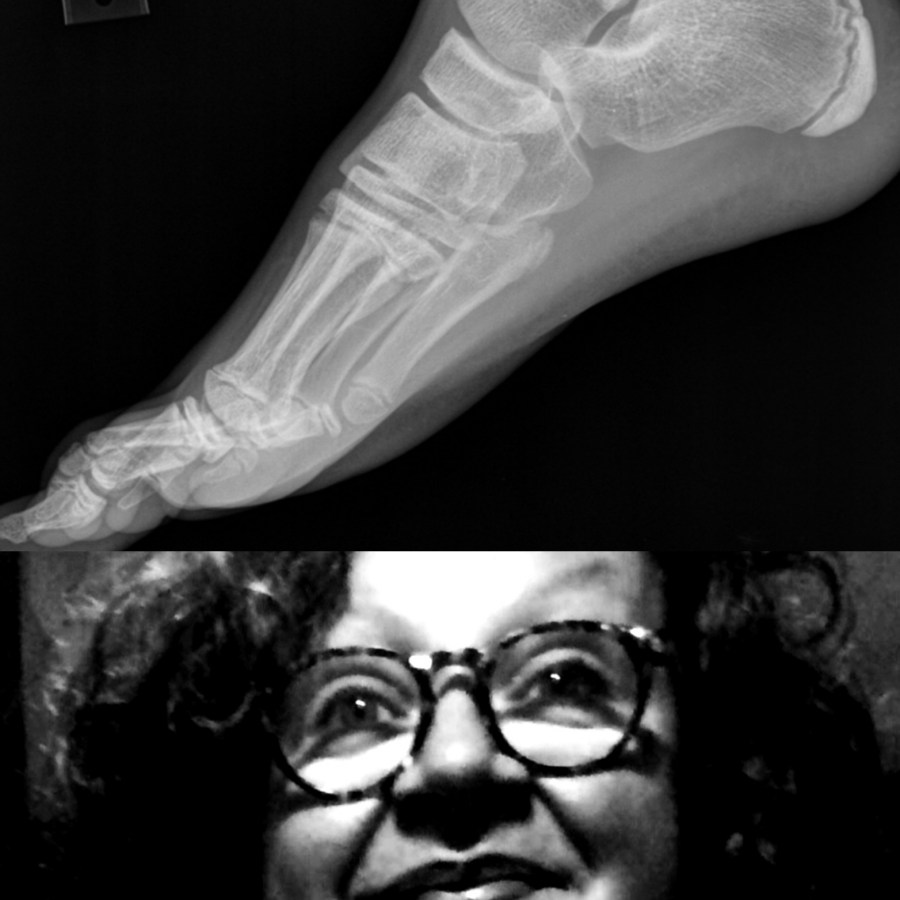
Medical darkrooms could be massive spaces serving many x-ray rooms with automatic processors or tiny cupboards with smelly tanks of developer and fixer for hand processing. Darkrooms have a strange life of 24 hours of darkness illuminated only with red lights. The similarity to nightclubs doesn’t stop there. Darkrooms are not unused to illicit liasons, or it has to be said, cockroaches. Either way it was always wise to clatter about a bit before entering a dark room, particularly at night or weekends. I rather wish I had taken the time to say goodbye.
Half an hours listening to the programme in the link is worthwhile even if darkroom nostalgia or art are not your thing. This is a gentle conversation about more than those two subjects.
Diagnostic imaging was my trade for many years. The majority of modalities in imaging produce pictures in black and white or more correctly in Grey scale. As an artist grey scale has always been my guide when judging my coloured work. A black and white photograph always lets me know if a painting has the balance I am hoping to achieve.
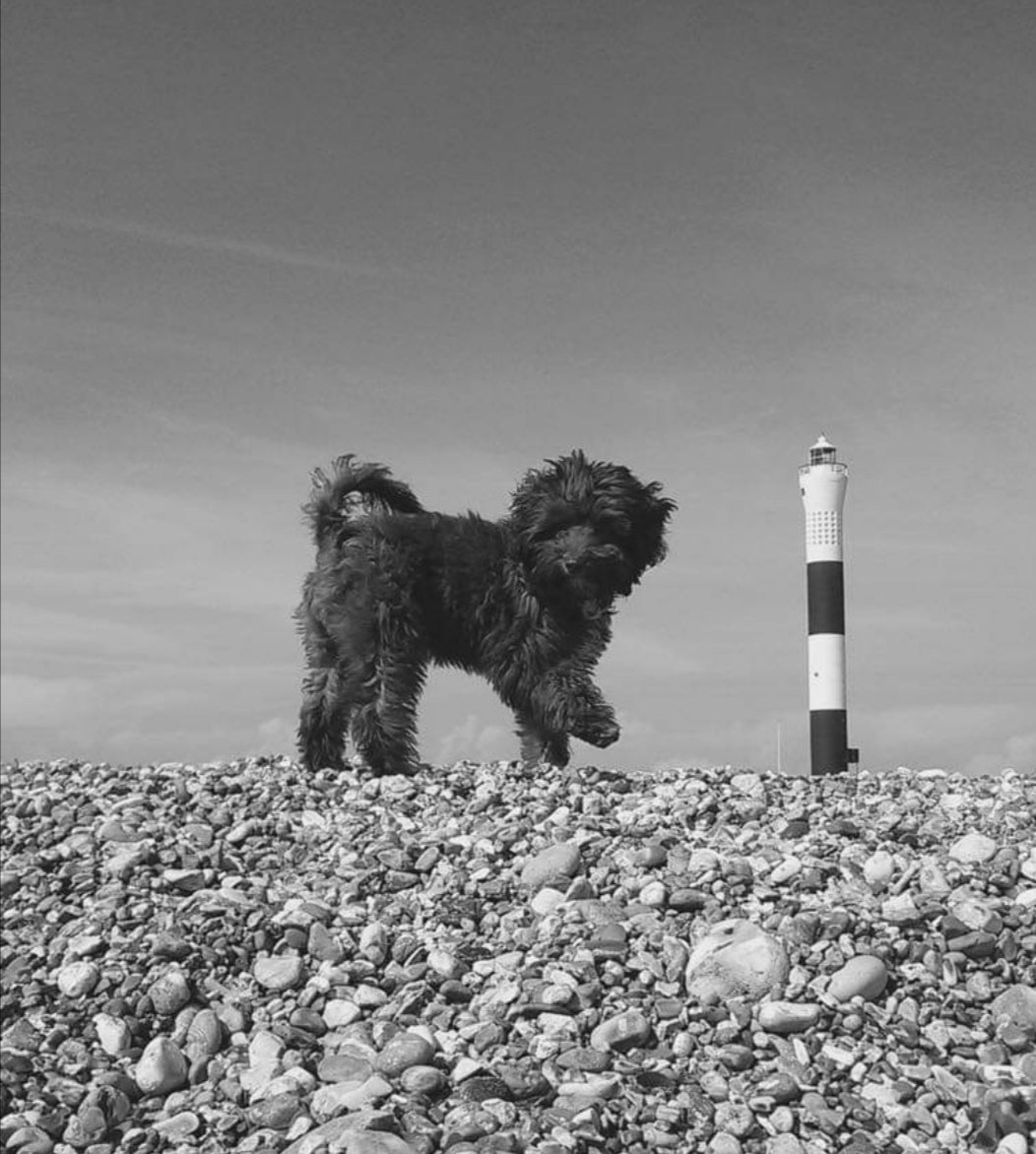
Hugo and Lola have been known to pose in locations that lend themselves to Black and White.
In this case at Dungeness, Britain’s only desert on the Kent coast.
The unusual environment lends itself to greyscale.
All round the coast of Britain, black and white somehow brings peace and silence to an image that could, with colour be garish or over ripe.
Wells-next-the-sea
Gigs at Saltash, Cornwall
Another monotone shot in real life colour.
Retaining walls at Samphire Hoe Country Park. An artificial land mass built from the extracted materials created by the tunneling for the Chanel Tunnel. A Nature Preserve. http://www.samphirehoe.com/uk/visit-us/
And finally back to Radiography.
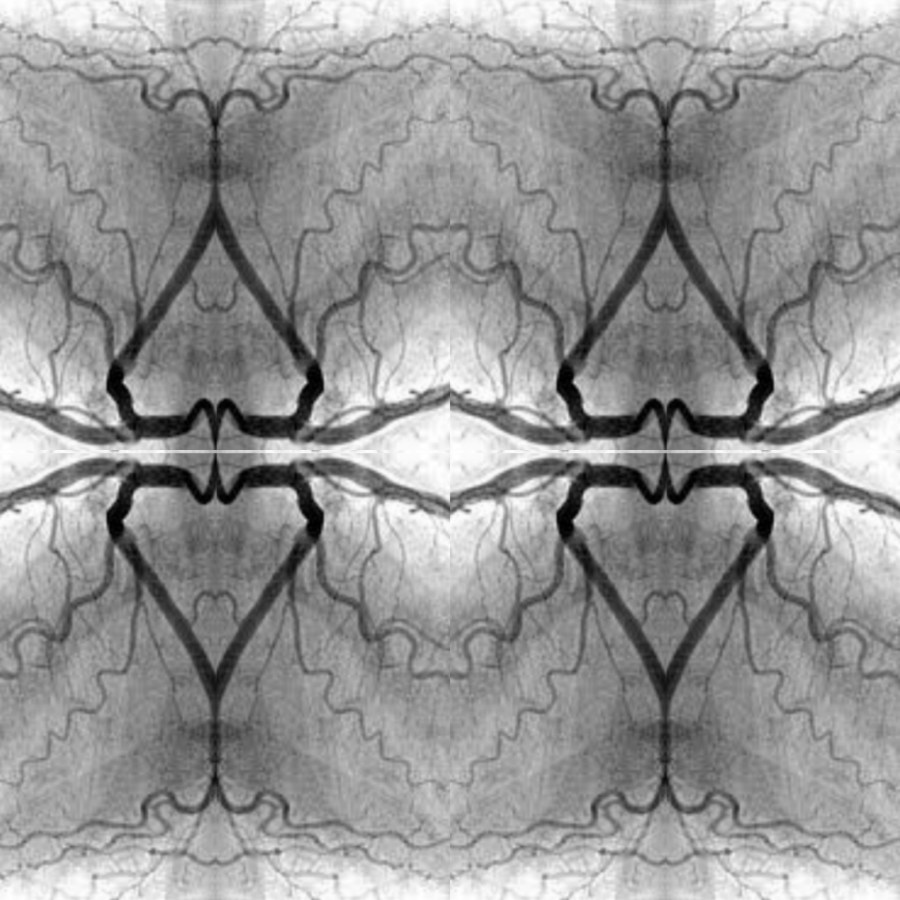
A cardiac angiogram of the left coronary artery, the basis of the pattern that heads this blog.
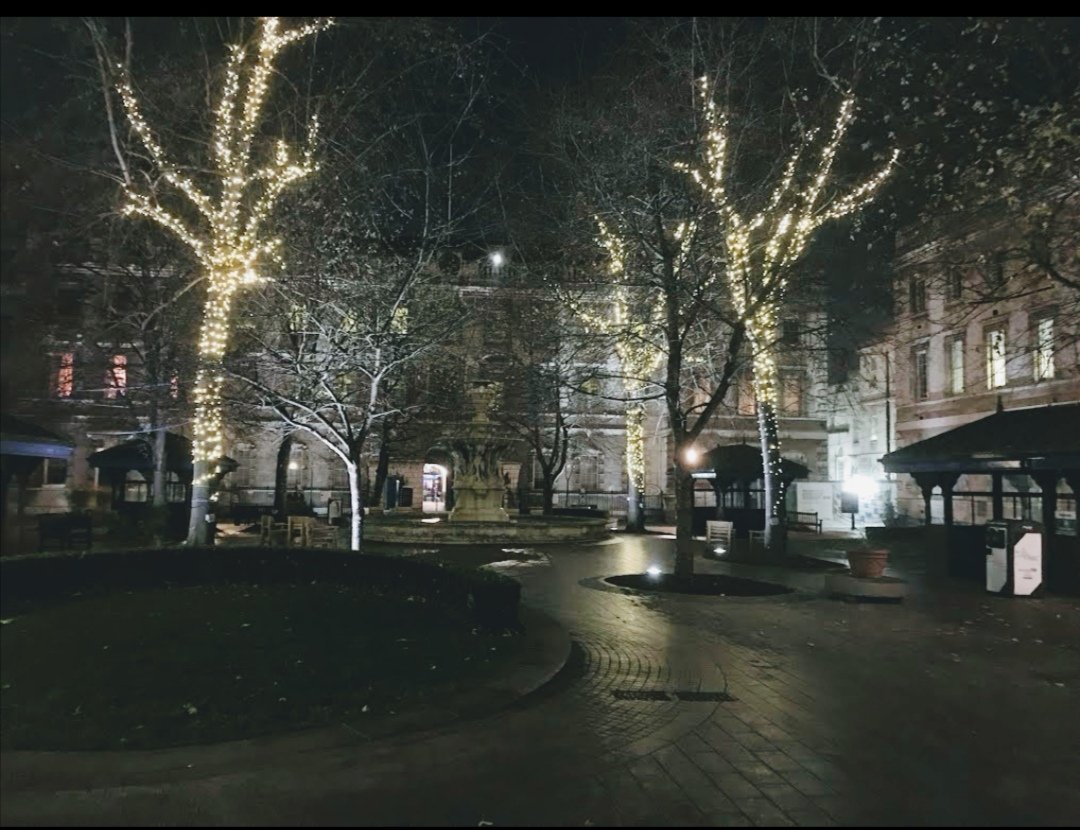
The return to work after the festive season is still a dismal dark business despite the days slowly getting a little brighter. Sunrise is around 8 am in January.
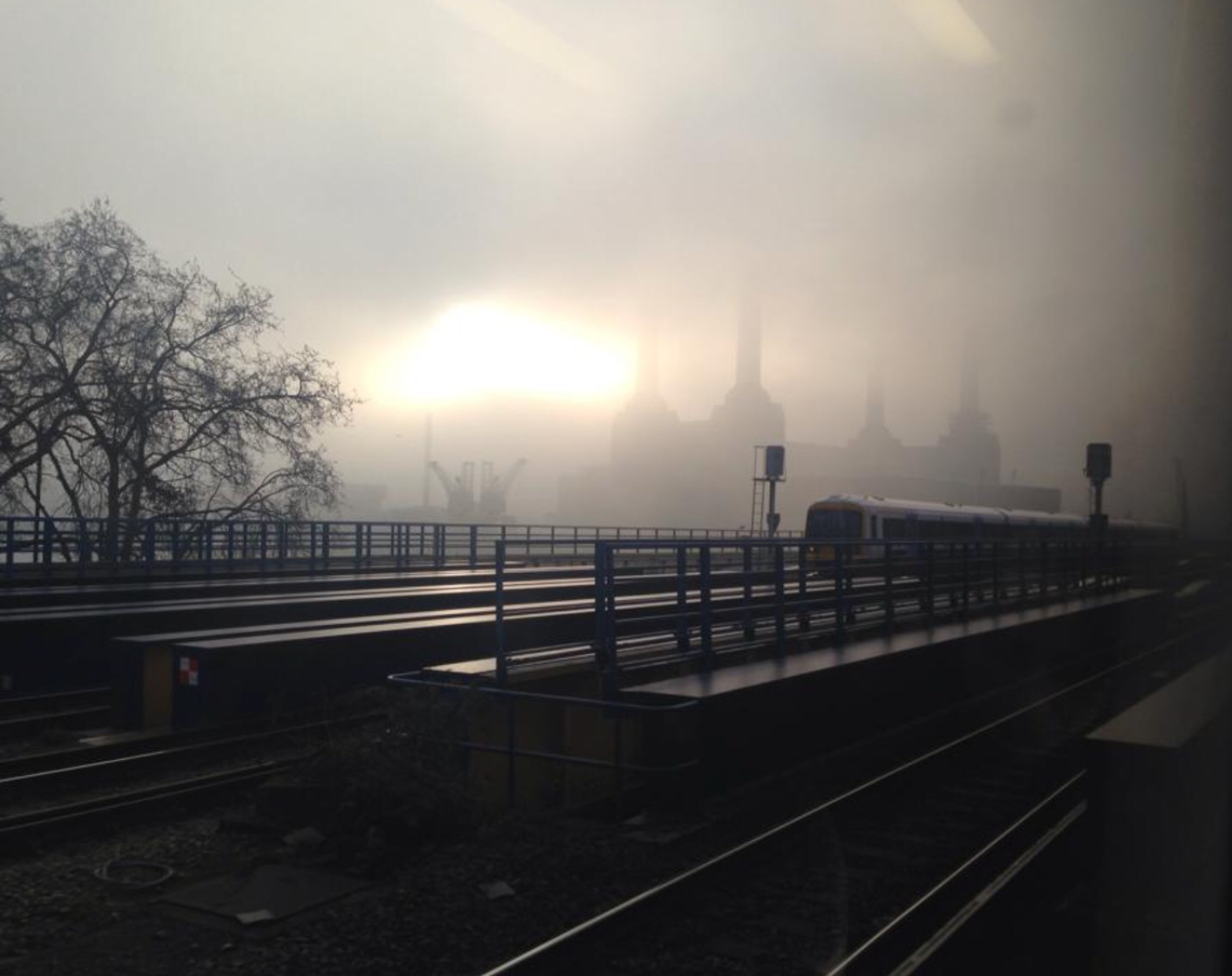
I took this photo a few years ago in the quiet period before commuting really gets going in London. I love it now because it is a lost image, redevelopment at Battersea Power Station has robbed rail commuters of this iconic silhouette.
Gilbert Scott’s Battersea Power Station
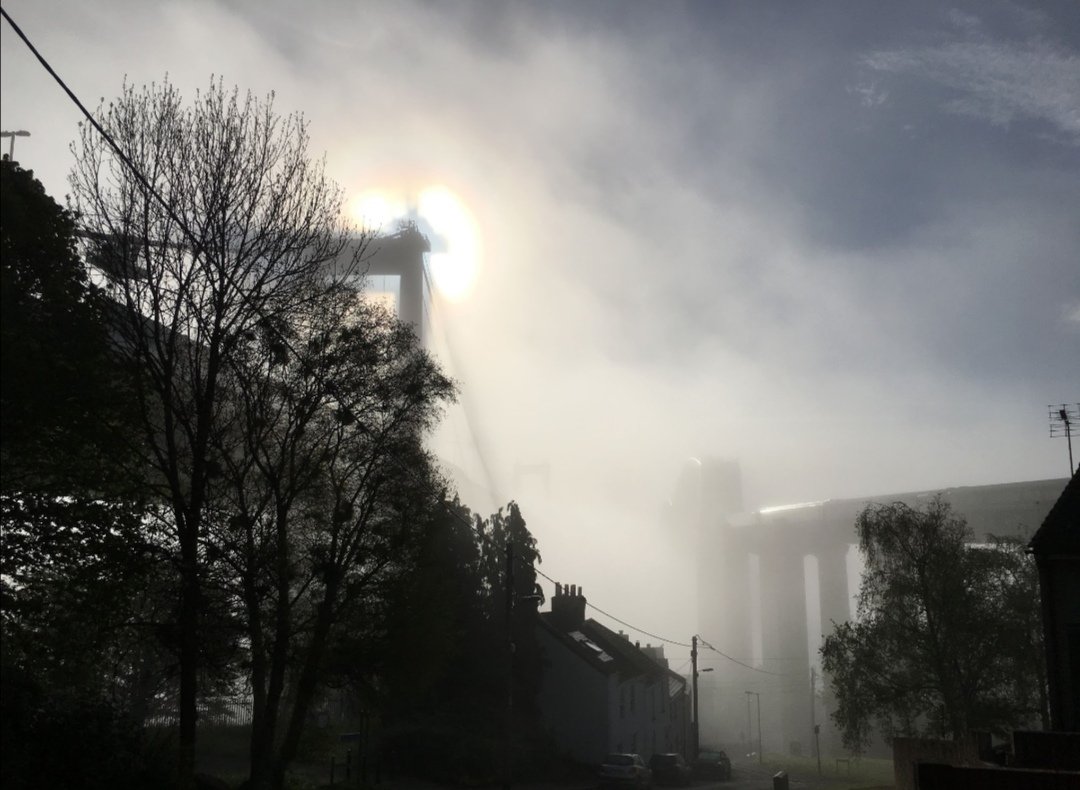
Giant structures lend themselves to cold misty mornings, another commuting photograph popped up in my January timeline. Unlike the Battersea photograph for the next one I am a voyeur rather than a participating commuter.
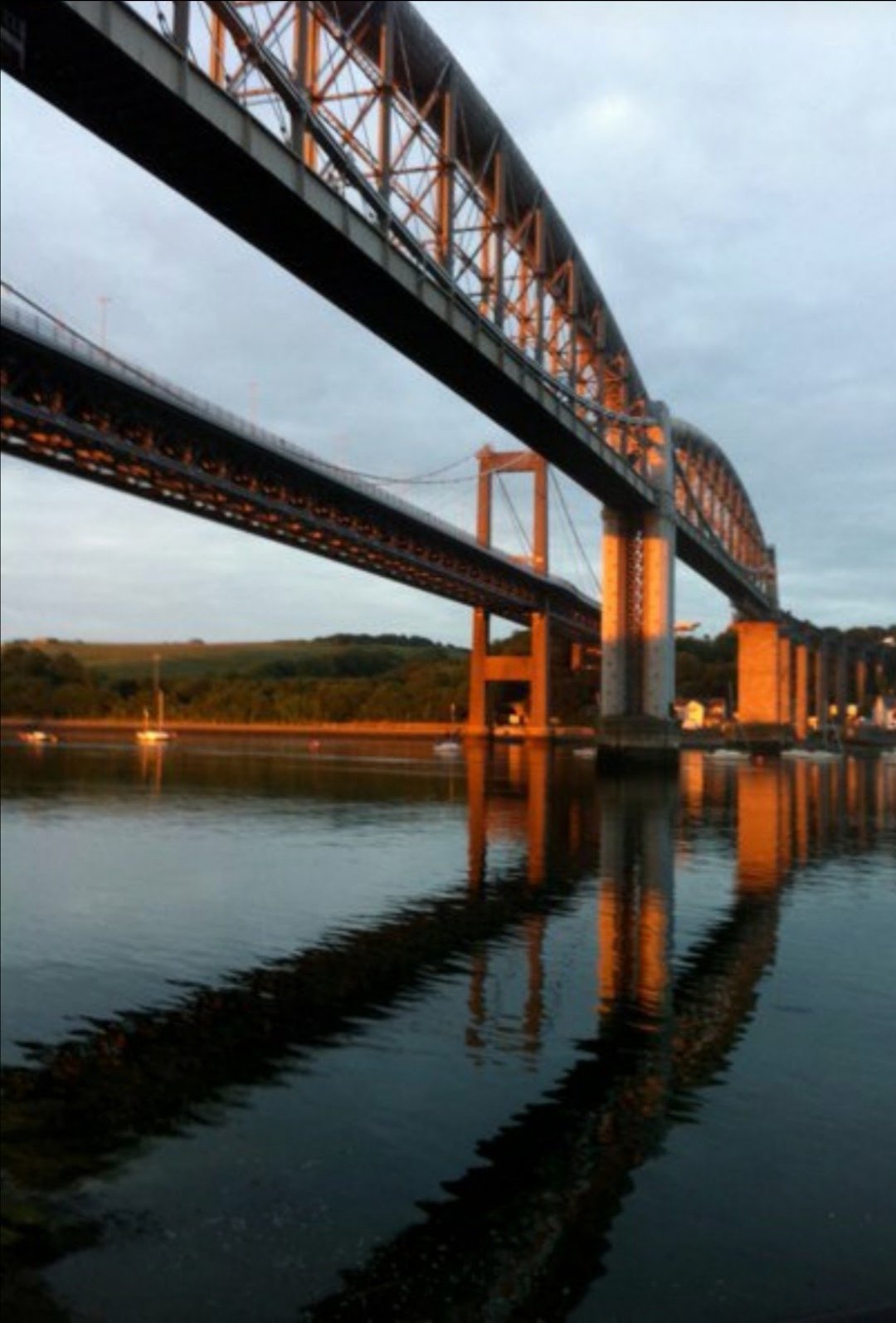
Tamar Bridges at Saltash
Trains and sunrise play a part in both photographs. Obvious in the Battersea picture , it is more difficult on the Albert Bridge Saltash. Just a bright straight line of reflected light on the Penzance to Paddington train as it leaves Cornwall.
Both photographs are taken facing East.
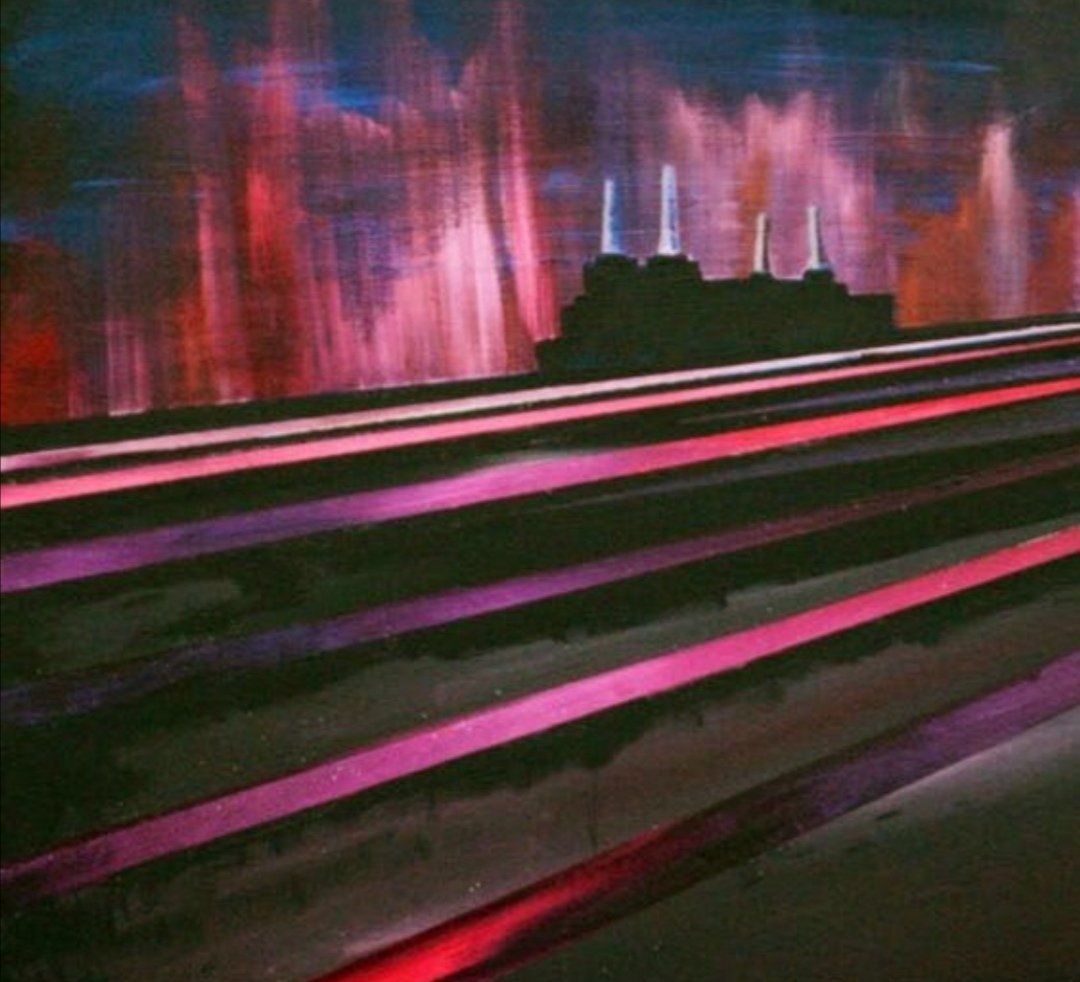
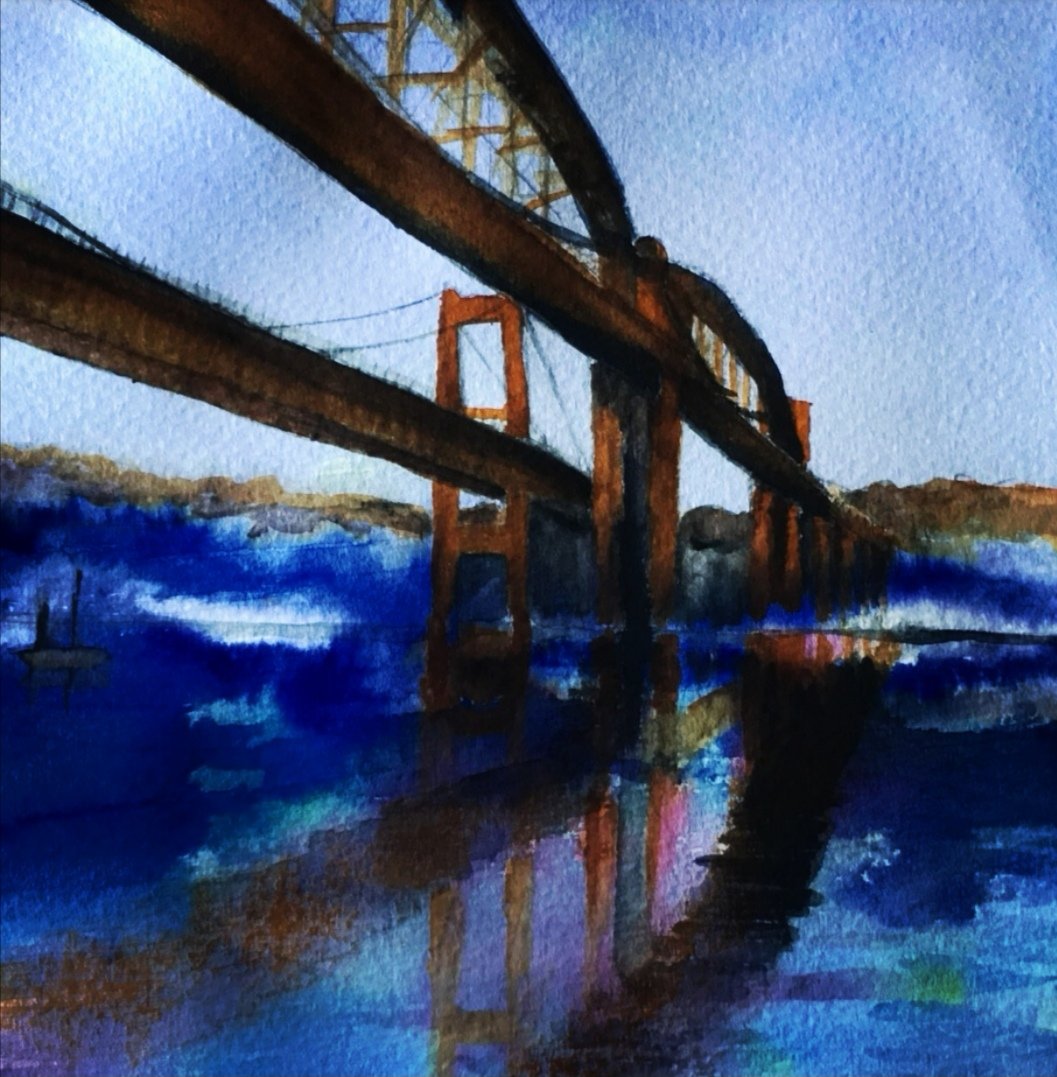
Both structures are also favourites for paintings.



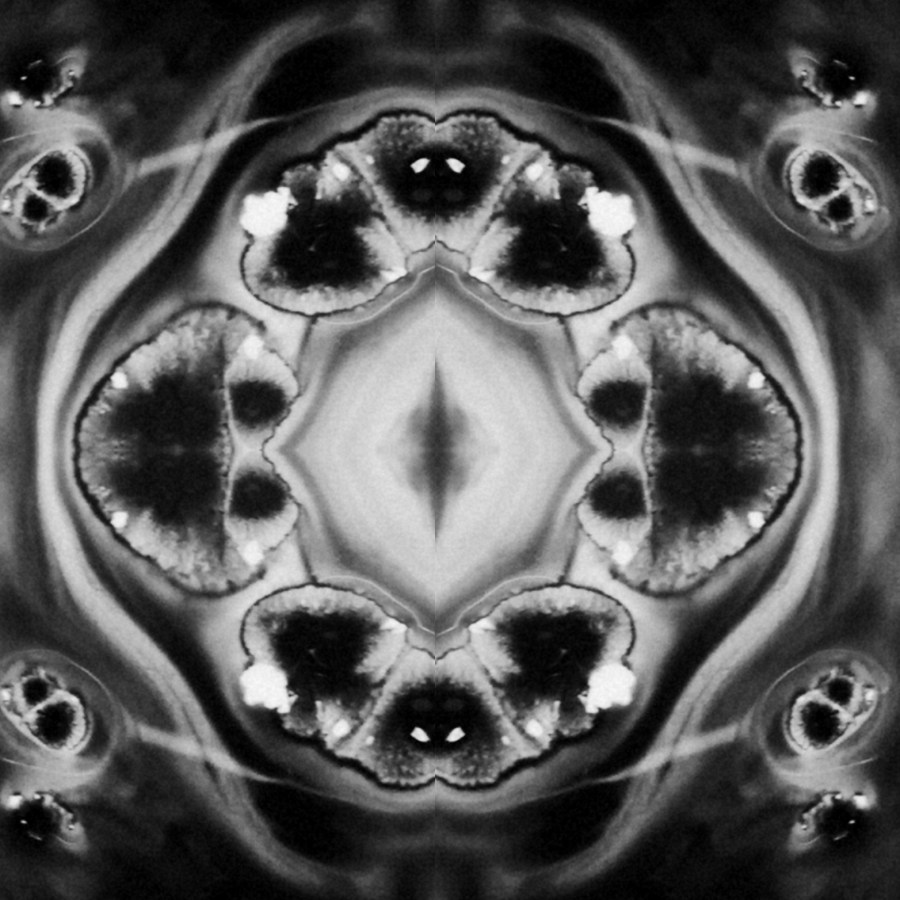
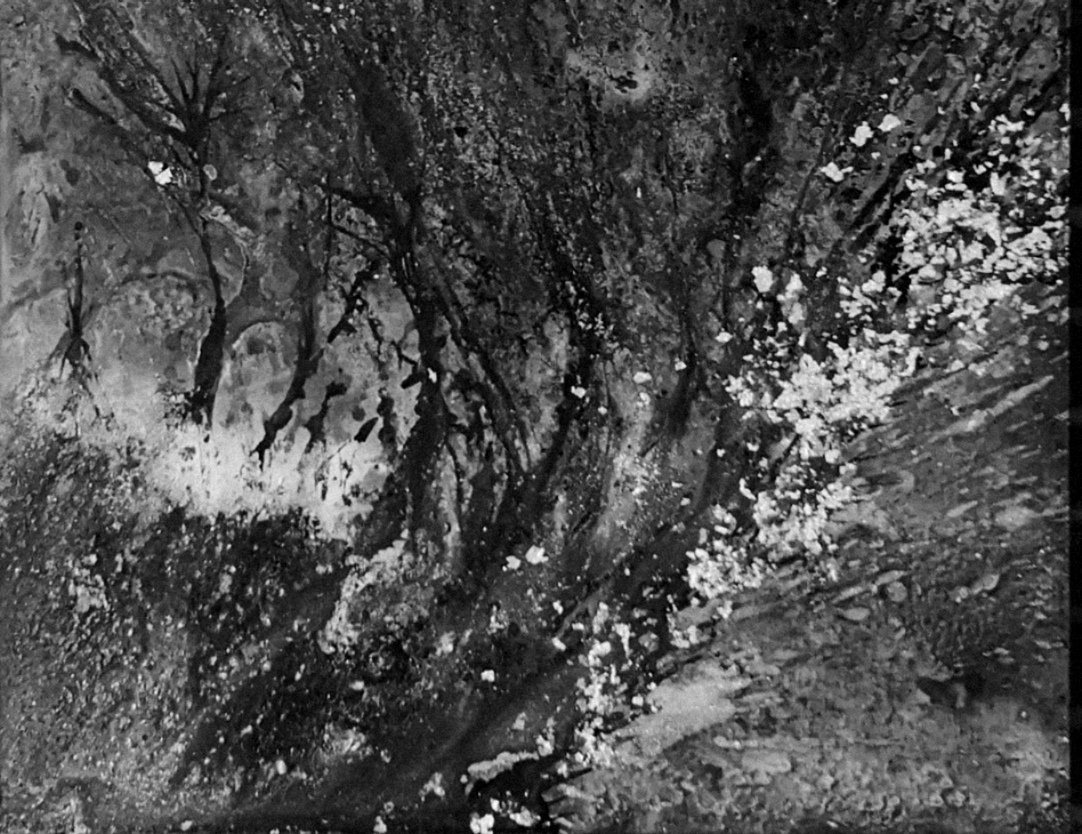
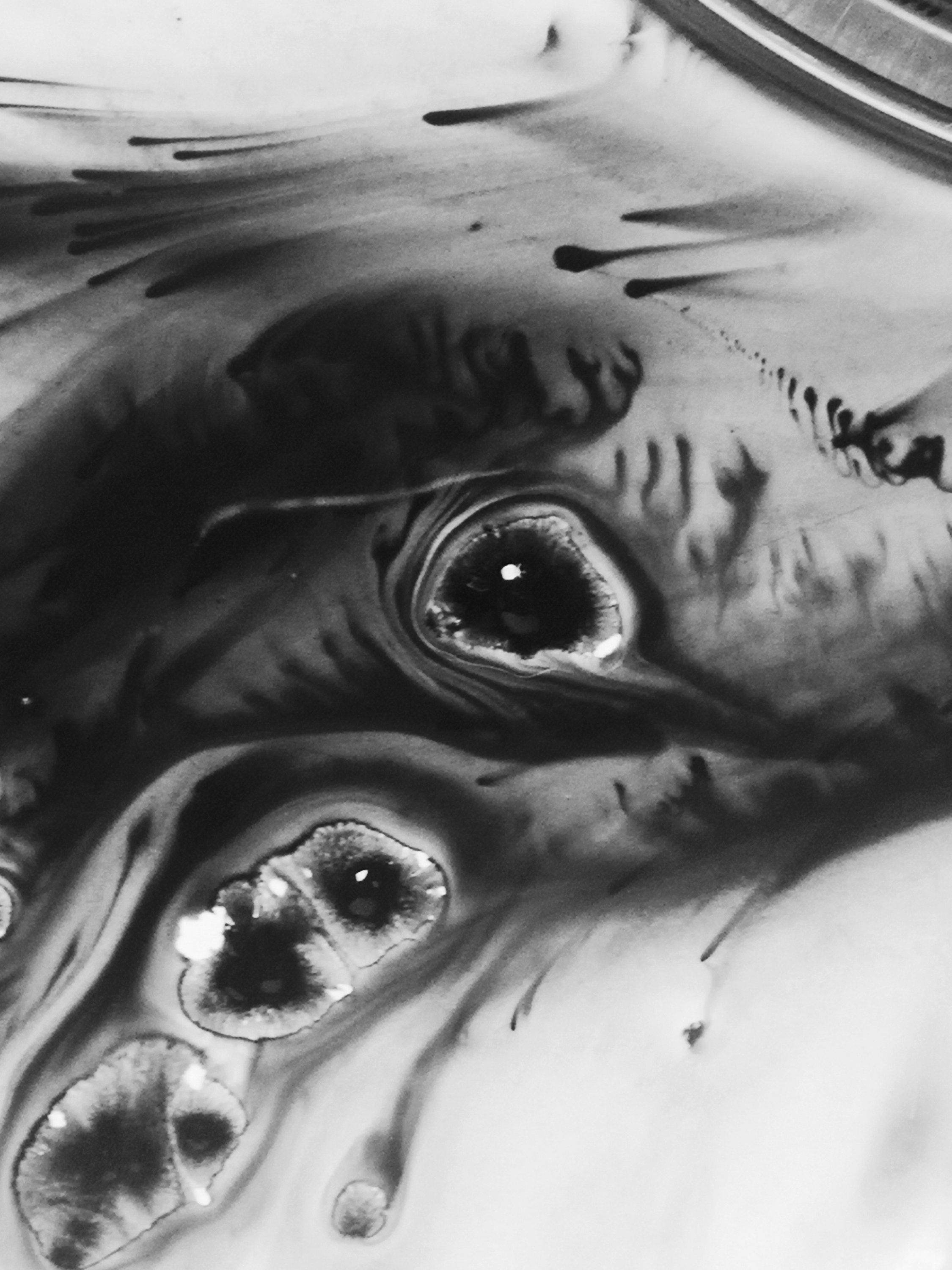
 My Gesso pot is at the end of it’s useful life and requires unsticking for every use . I turn it upside down in a bowl and pour boiling water around the lid. This warms the paint making it easier to twist the lid off. On this occasion a minor incident occured as the lid was entirely held on by goop and not the thread, as I lifted the pot out of the water Gesso poured freely into the bowl. Gesso is like blood it spreads widely and creates micro splatter. I won’t bore anyone with the clear up story but the following image is a lovely, temporary, serendipitous mix of Gesso, Water and the residue of clearing up from breakfast.
 The painting below is the one that needed finishing, the cause of my disaster.