


21 Days to Boxing Day.
I am so glad my evening dog walk has had a festive tweak because my pondering is a little dull. Earlier this week I went into one of our roof spaces to retrieve some stored Christmas stuff. I also took the opportunity to bring down stored stuff that needed sorting as it had not been looked at or needed for 3 years.
I recently discovered that our house is 35 years older than our fireplace suggests.
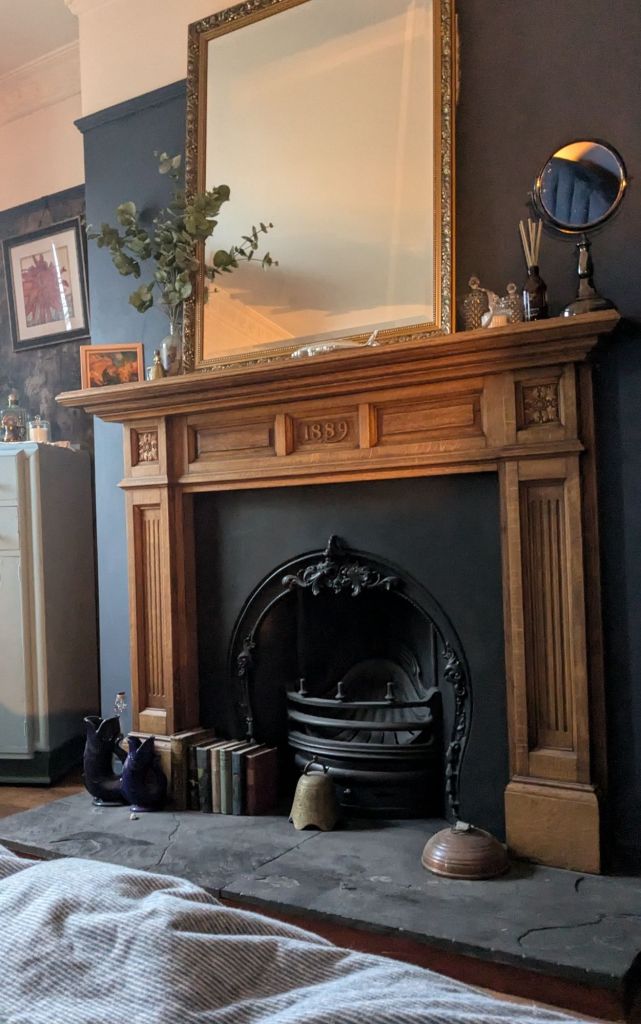
The first time it was sold was in 1854 or 57, the handwriting on the deeds is hard to read.
On my occasional visits to the roofspace I am always impressed by how well it was built. But clearing the boxes stowed in the roof since we moved in, revealed something that is really interesting. One of the main supporting timbers of the roof is an old, wooden ships mast. How fabulous is that?
I popped back into the roof yesterday and just had a few moments pondering the journeys that that piece of wood might have made before ending up in a shipyard in Stonehouse and then being used to support the roof of a house.
There is a good bit more pondering to be done on my recent discovery. This was a new home to the Borland family. Two generations of War Office Civil Engineers lived here until just after the Second World War. Their role in the 1860s would doubtless have been the construction of the Palmerston Forts, built to protect Britain from an invasion by France. The invasion never took place.
The Palmerston Forts, constructed to encircle Plymouth and to protect the Royal Dockyard against a landing by the French, were built during the 1860s and 1870s following a Royal Commission set up by the then Prime Minister Lord Palmerston (hence the name).
The Commission was prompted by public concern about the growing military and naval power of the French Empire, coupled with the alarm which had been engendered in Britain when Napoleon III (the nephew of the infamous Napoleon Bonaparte) became Emperor of France in 1852. A perception arose that Napoleon III might contemplate an invasion of Britain in order to avenge the defeat and exile of his uncle in 1815.
As a result, the Commission, of 1860, sanctioned the provision of enormous resources for the defence of the principal naval dockyards on the south coast, these being Portsmouth and Plymouth. Many of the Palmerston Forts survive well as Scheduled Monuments (designated as such by Historic England) and are therefore recognised as nationally important and worthy of preservation.
Funny/strange to think of the very significant conversations that would have been held in this house.

Even stranger is that one of the tatty old bits of rust we treasure in our backyard is a big bolt thing that may have come from Palmerston Fort fencing.

And with that cliff hanger I move on to F for 26 Days to Boxing Day.
Fairy/Festive lights.
The two pictures of the Royal William Yard are how the normal evening dog walk looks.
With Fairy or Festive lights everything twinkles.
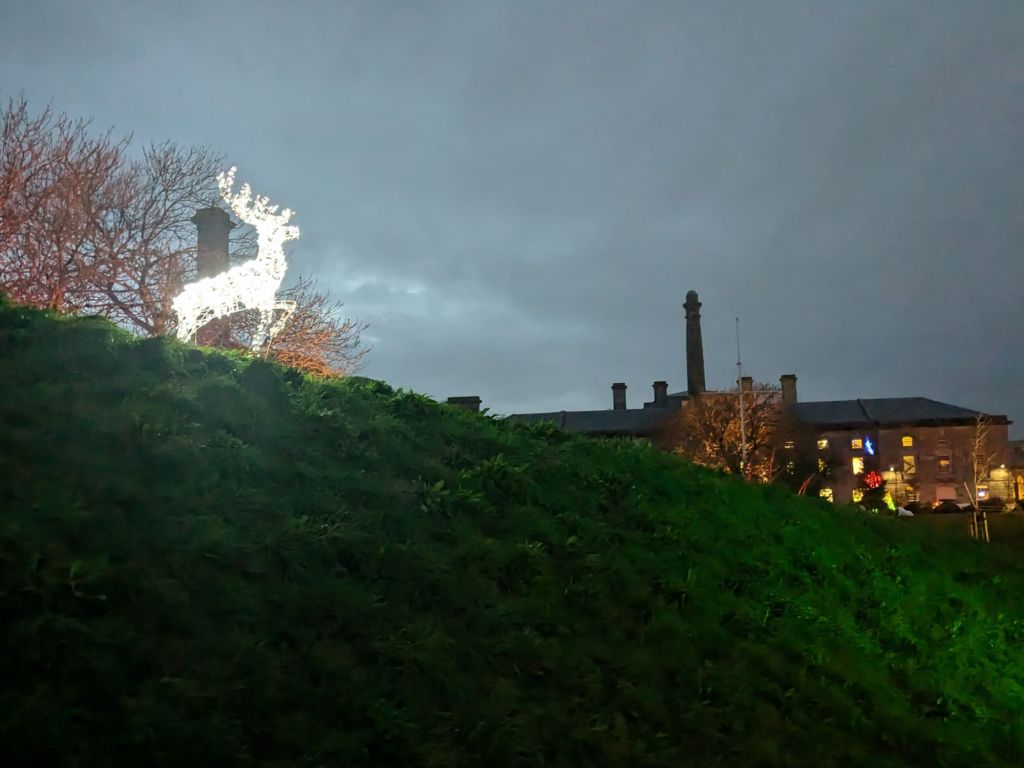
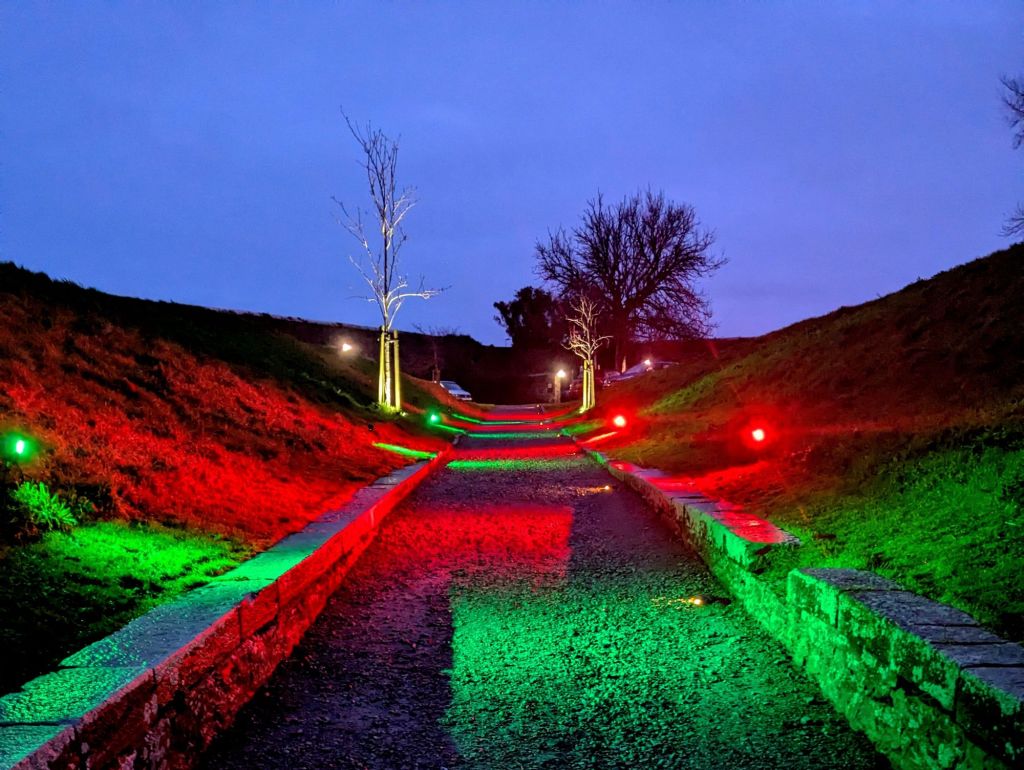
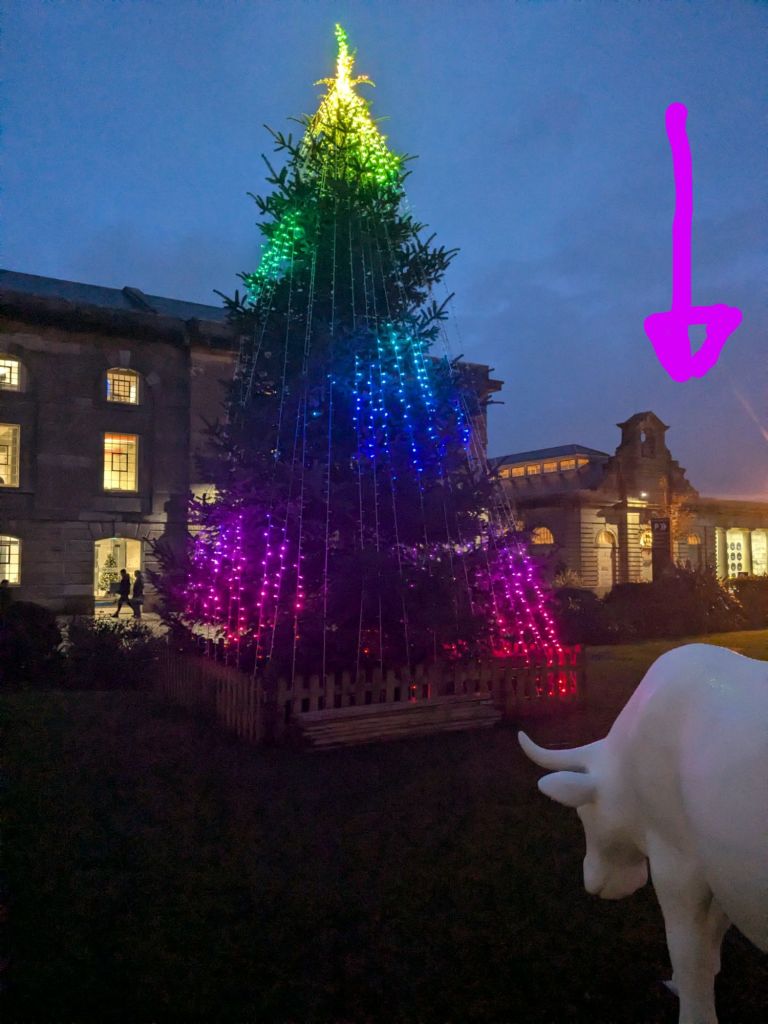
Here are the same two pictures last night.


 theoldmortuary.design
What an incredible history and the discoveries of the things you are living with from a very different time.
LikeLike