#1304 theoldmortuary ponders.

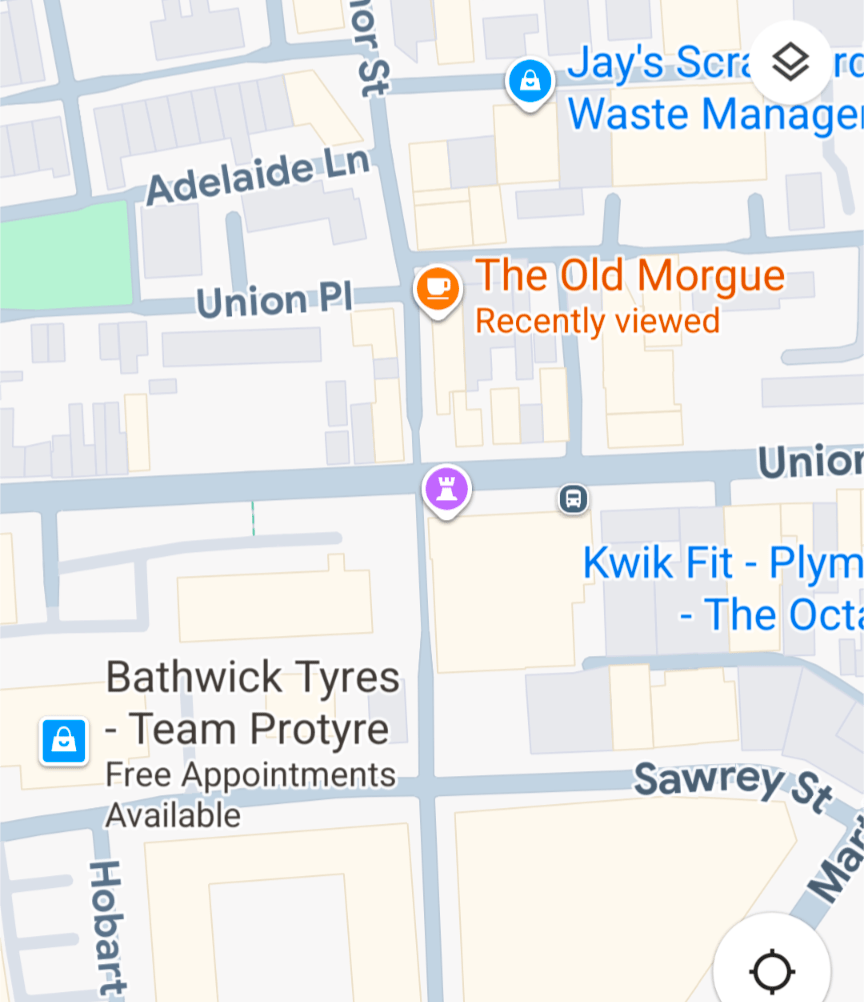
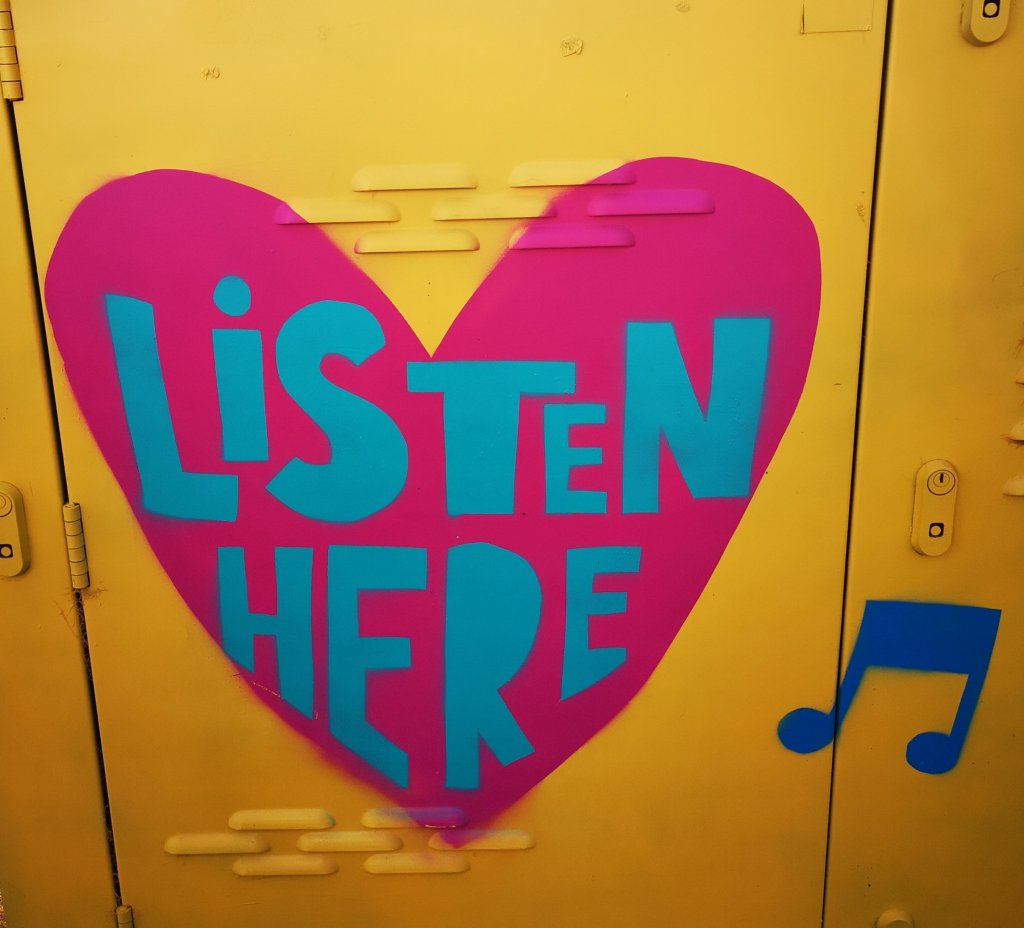
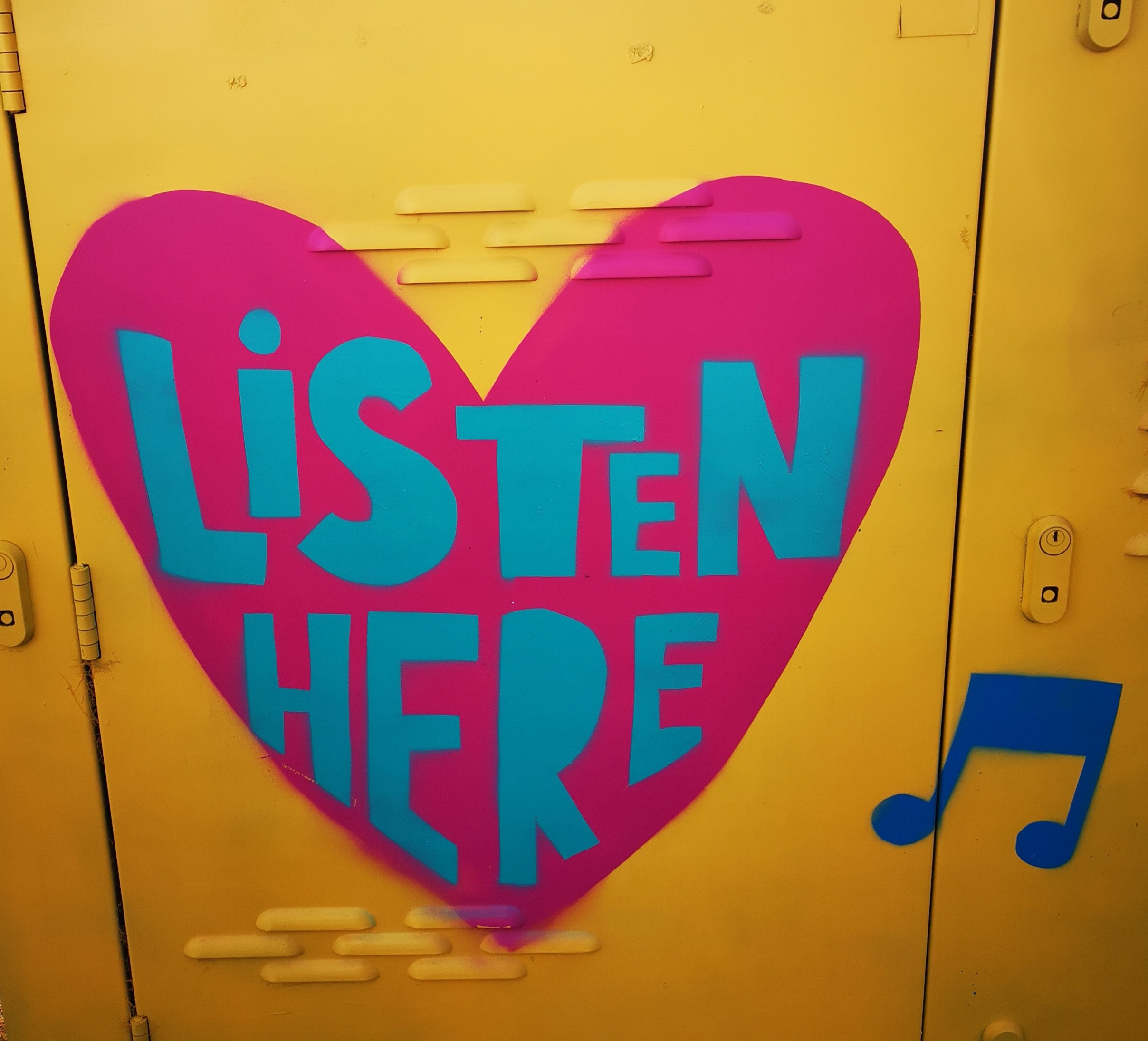
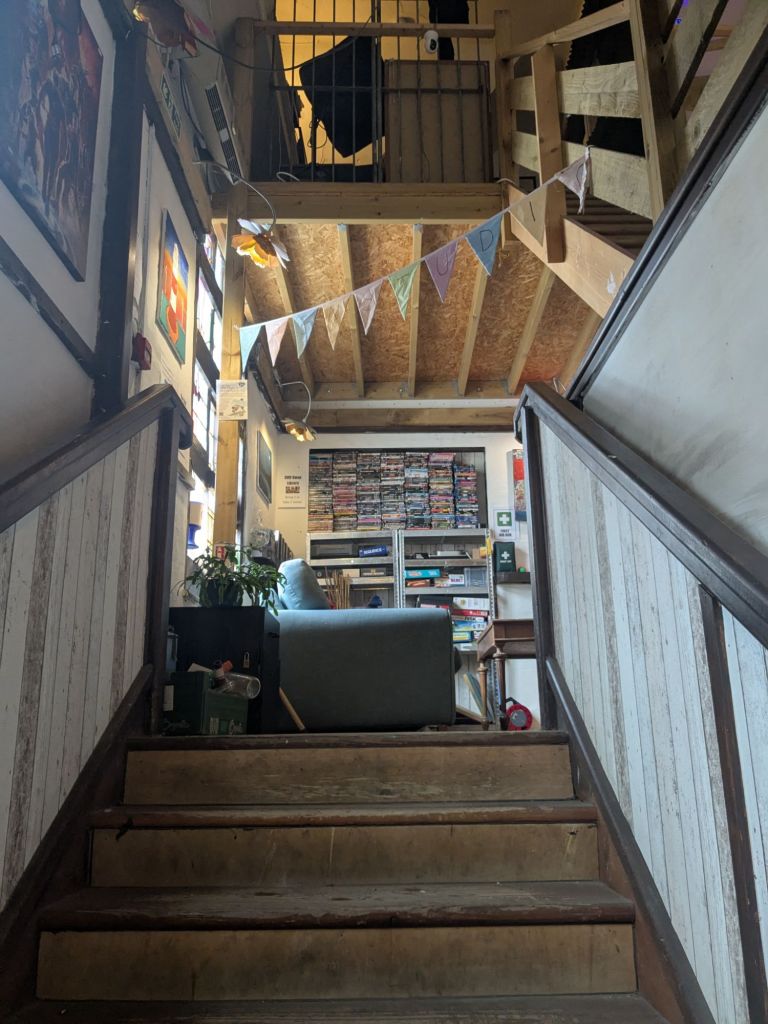
theoldmortuary took a trip to The Old Morgue yesterday to see the work of Drawn to the Valley artist Mary Toon as part of the Open Studios Event.  The Old Morgue is just off Plymouths famous Union Street, which gives visitors the chance to see Urban Street Art, something that flourishes  in this historic part of Plymouth.

Mary’s feltwork is always vivid and fascinating.
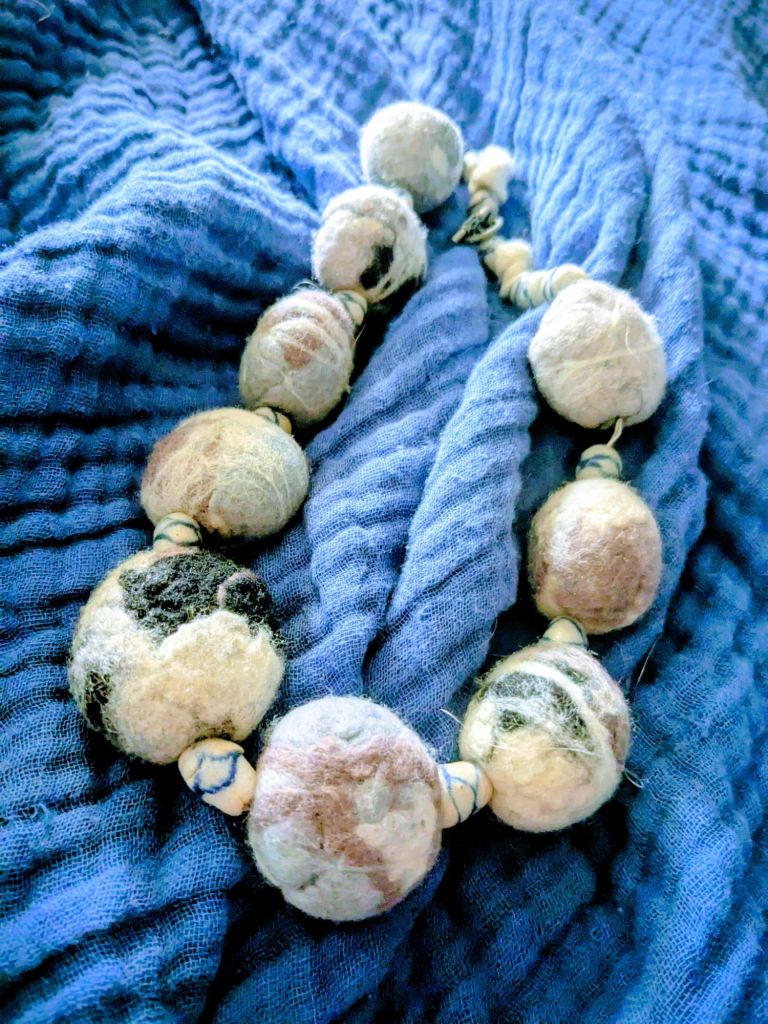
I bought one of her felted bead necklaces. I have no idea what was in her mind when she created this but for me it sums up the magic of the creativity that the Tamar Valley and the borderlands of Devon and Cornwall inspire. For me it is about the sheep of Dartmoor and the higher reaches of the valley and the pebbles beneath my feet on my local beach. Mary and I had a serendipitous meeting at Tranquilty Bay a few years ago. Mary along with other talented singers were performing Sea Songs on the beach. Calling to the Sea as the tide came in. The sounds drifted towards us as we did our evening dog walk. The whole experience was ‘other worldly’ as the sea wall hid them from view until the last minute. It was easy to imagine the Oceanids were, somewhat implausibly singing in Stonehouse. These woolly baubles will keep that lovely moment in mind.
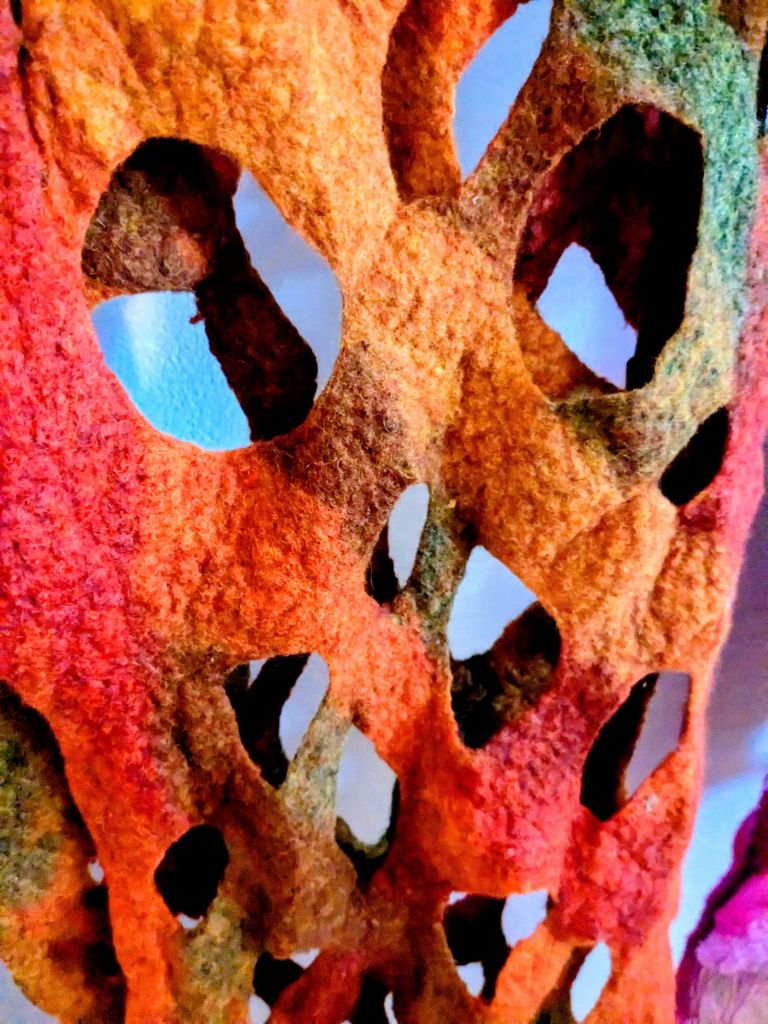
©Mary Toon

Hard at times to imagine,  but bustling, urban and sea-facing Plymouth is a vital part of Drawn to the Valley. Home to a large concentration of members, who meet regularly and support and galvanise one another to be experimental and collaborative in their work and their group  exhibitions.

Mary has chosen a fascinating place to invite art lovers and visitors to. A brilliant choice of venue for Drawn to the Valley to show how diverse and fascinating members are.

Pandemic Pondering #217

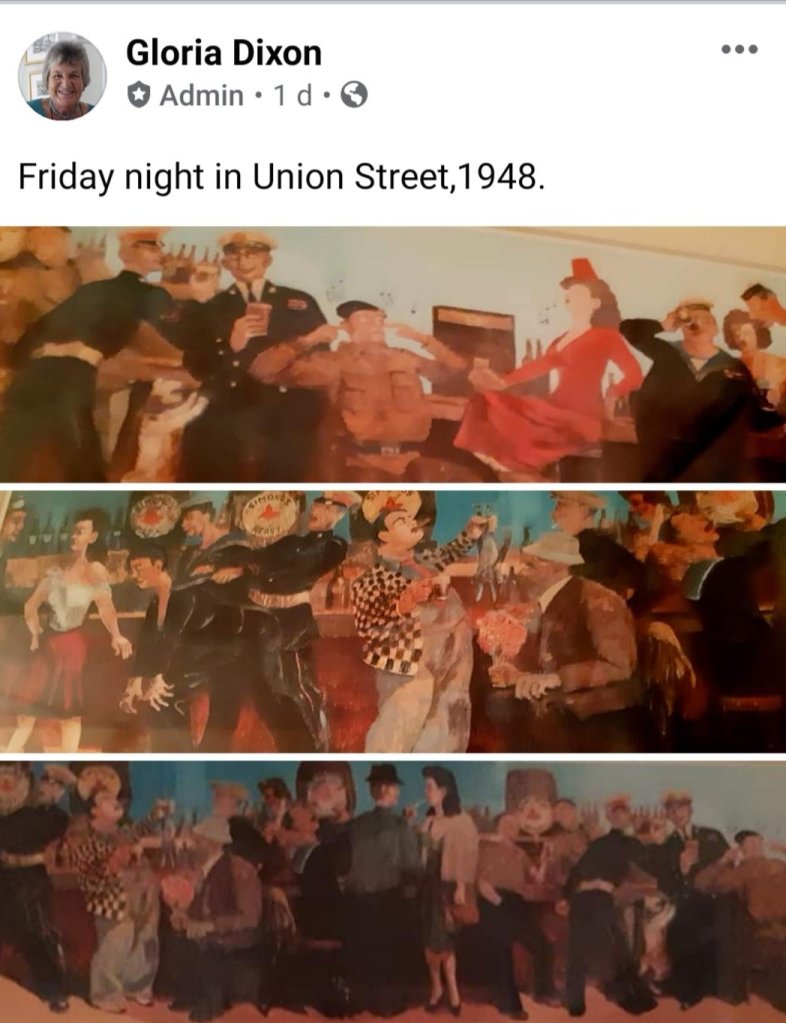
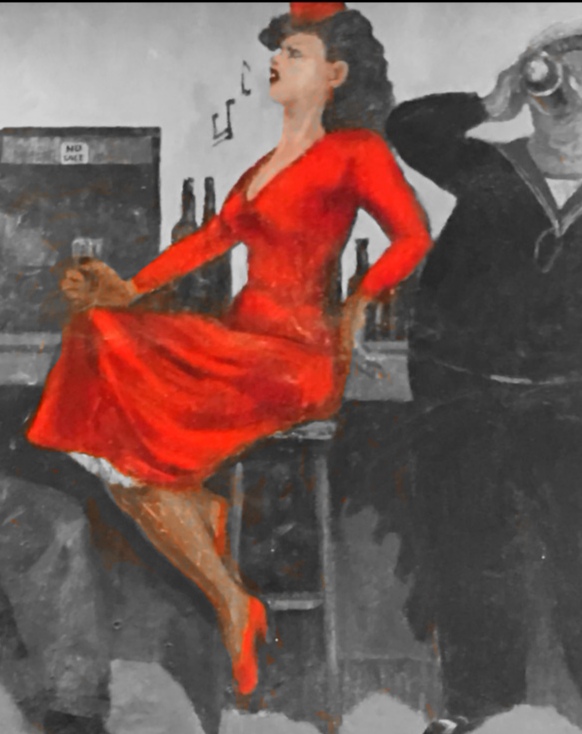
Friday Night in Union Street 1948.

A couple of days ago a Local History group on Facebook published some photographs of a mural that was discovered under layers of wallpaper in a Union Street bar. If you have any interest in Plymouth history this is a great page to follow.

https://www.facebook.com/groups/879731115783323/?ref=share

Local History is one of the great strengths of Facebook. Local History Facebook pages are hubs of knowledge that become magnets for new information or insights into a local area. They are the modern version of the Local History shelf at Libraries.

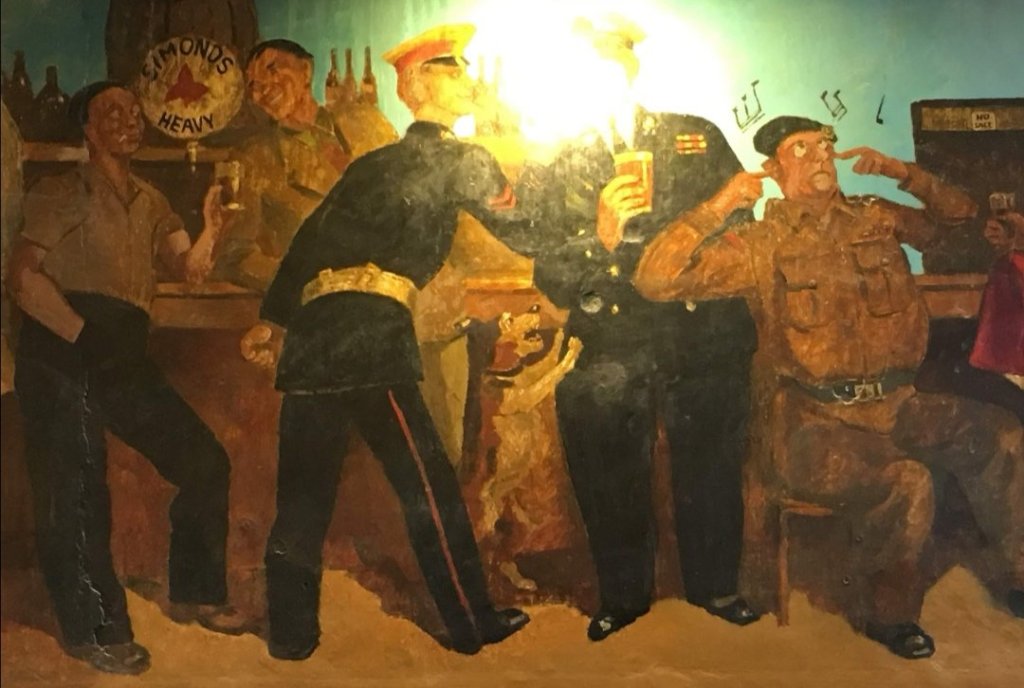
I already had some photographs from the mural , taken during one of Plymouths Art Weekender Festivals. Gloria Dixon who is the administrator of the Facebook page Old Plymouth Society has a much better range of images.

She has written a very good account of the mural on the Old Plymouth Society FB Page, I urge you to visit the page.

The artist, who created the mural, Vincent Bennett took the well- worn path, familiar to many creative Plymothians and moved to London at the age of 20, where he not only painted commercially, but also boxed, to earn a living. It was the boxing that caused him to return to Plymouth just two years later. A head injury forced him to return to his home city in 1932 and he added teaching and drumming to his portfolio of money earning skills. Eighteen years later he painted the mural at what was then called the Sydenham Arms.

The story of Vincent Bennett seems so much more tangible and intriguing than the Plymouth to London story of Joshua Reynolds, another Plymouth man, nearly 200 years earlier. For me it is not only that much of the city he occupied still exists but that his subject matter is much closer to my own life experiences.

A drink in the Clipper, as the Sydenham Arms became, was always an experience, even if I was never as glamourous as the woman in the red dress. My grandfather, a sailor, far from his Essex home would almost certainly have known The Sydenham Arms and enjoyed all that Union Street had to offer.

The mural can be seen in its original location 63, Union Street, Plymouth. Currently the property is a Community Cafe.

https://nudge.community/

https://www.jmlondon.com/product-category/vincent-bennett/

The link above is to a gallery website.

Pandemic Pondering #182

As a non-Plymothian my interaction with Union Street in its prime was very limited. Visits to friends in the city nearly always took in a trip to the famous Plymouth Street, but it wasn’t until the eighties when I moved to the area that it became the location of work nights out.

There was a film made in 1982 set on Union Street that was part of the early output of Channel 4 . Remembrance must have done the rounds at Arthouse cinemas because although I’ve seen it I’m fairly certain there was no Channel 4 coverage in Brighton, where I was living at the time. It was filmed only a couple of years after I had last visited the street as a tourist and before I lived locally. It is the story of a last night out for naval ratings prior to a six month deployment in the U.S. It does not end well.

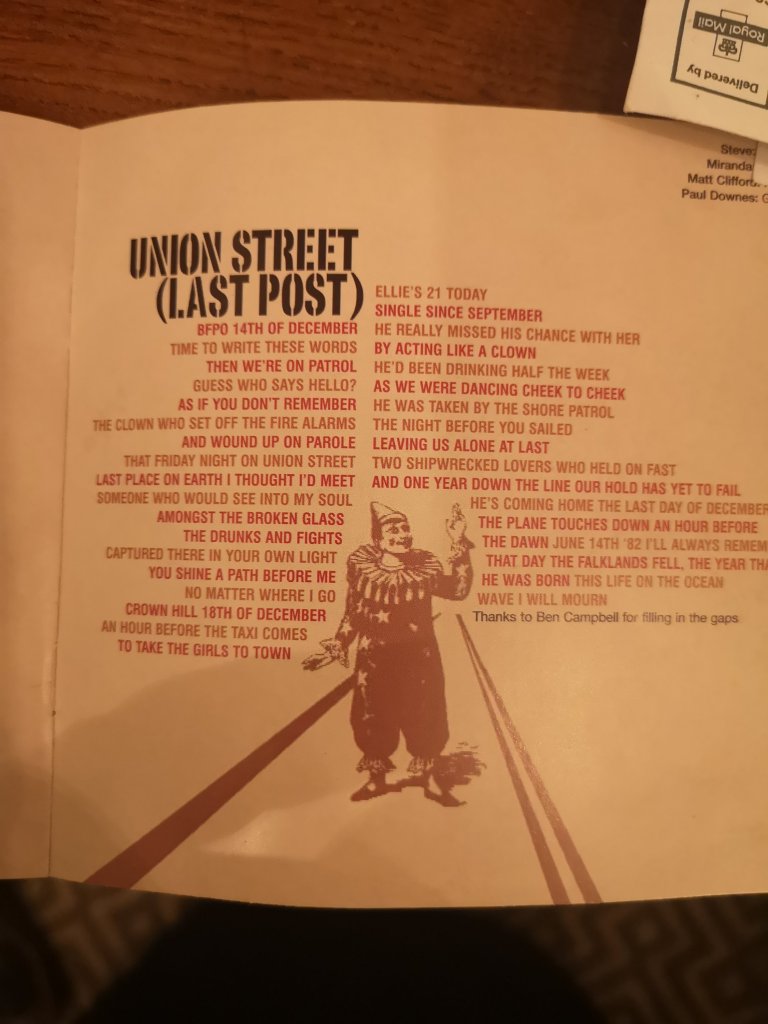
Last run ashore is also the subject of the lyrics of Union Street ( Last Post) by West Country Folk band, Show of Hands. The playing of the Last Post, in this song, is a chilling reminder that Union Street would have been the ‘Last Run’ not only ashore but also in any earthly Pleasure Dome for many serving servicemen.

Union Street was not always a street famous for night clubs and evening shenanigan’s although that is what defines it. When the street was first built in 1815 to link three waterfront towns it housed prosperous families. Later when the Theatres were built the area began to attract other venues and providers of after hours entertainment. Union Street become known for drunkenness and libidinous behaviour long before Plymouth, formed of the three towns of Plymouth, Devonport and East Stonehouse, became a city in 1928.

The area was heavily bombed in the second world war but Union Street as a destination for a night out thrived and grew out of the rubble. Nightlife always creates a heady mix of pleasure and excitement but there is usually a side order of lawlessness and aggression that is not so comfortable. In the ‘good’ times both regular and military police patrolled the area. Nearby residents were uncomfortable in their streets and many stayed safe indoors on Thursday, Friday and Saturday nights.

It was the hedonism of 90’s club culture that tipped the balance for Union Street. Clubs and bars started to close as the drug culture changed the way things had always been. Lifestyle changes and technology around dating combined with massive cuts in the numbers of people employed by the Navy also fueled the slow burn demise of Union Street as a party place.

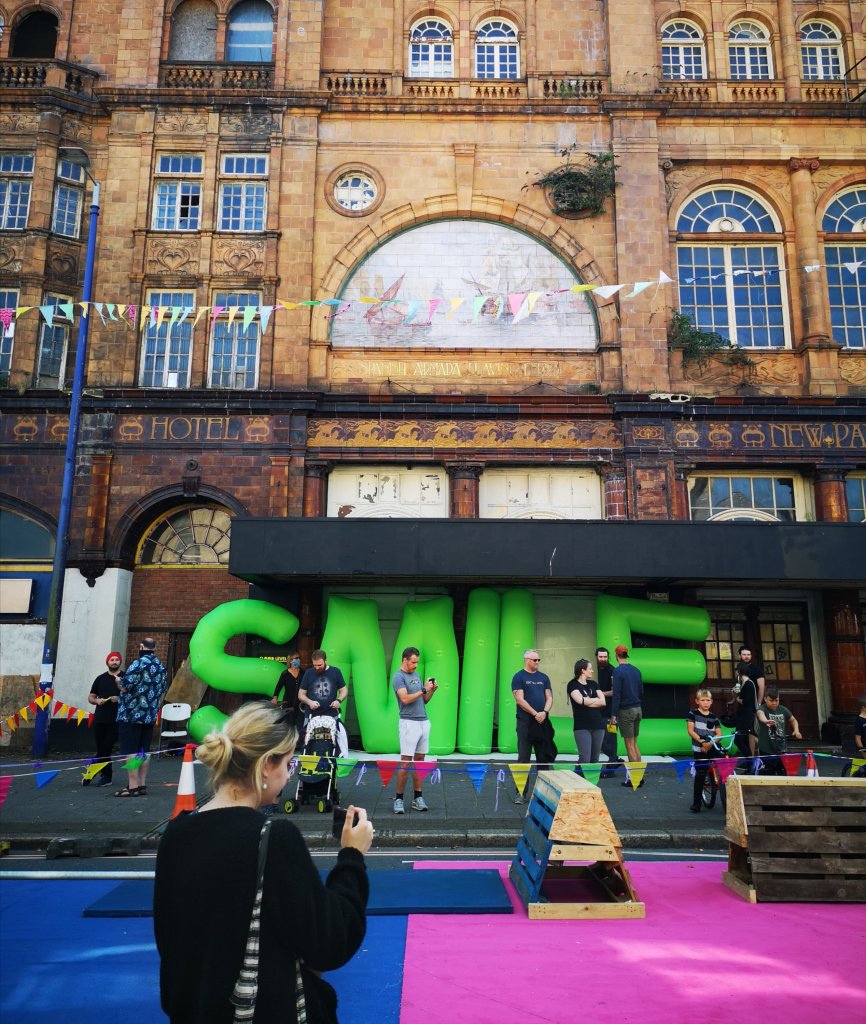
The residents are still there though amid the shadowy and decaying grand buildings, awaiting a master plan, people still go about their daily lives . For the last few years people rather than partygoers are shaping the area. Local residents held their annual street party last weekend.

Coronovirus restrictions made it less vibrant than the last few years but it always brings a smile . It is the most multicultural part of Plymouth and the smells wafting from the street food stalls demonstrate this better than anything. The weather was kind and people were happy. Union Street is waiting…

Pandemic Pondering #179

September 13th often gives us the gift of sunshine. It was Hannah’s mums birthday and we were always able to plan a birthday picnic for her, safe in the knowledge that the sun would shine.

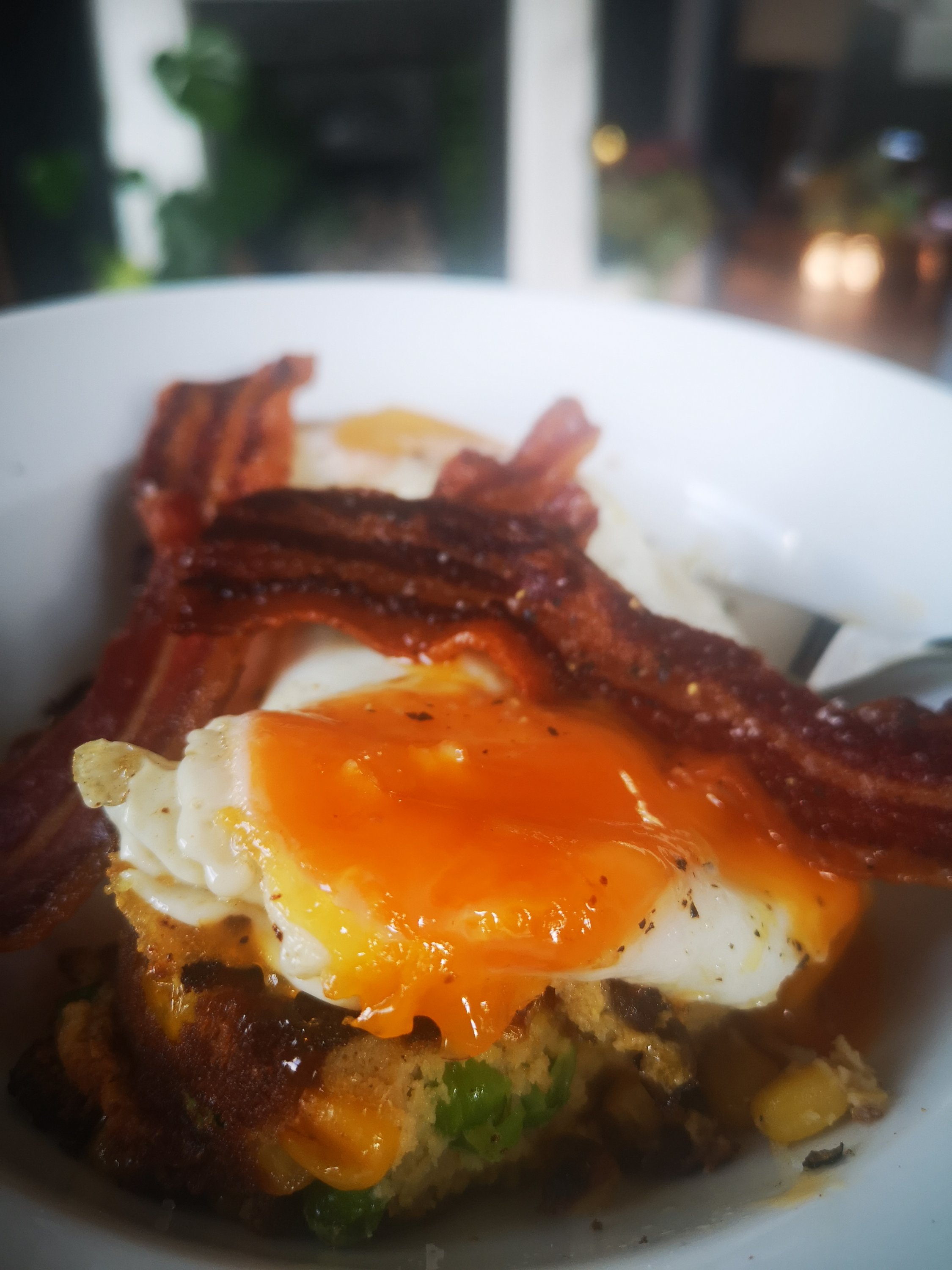
This morning we started the day with a sunshine yellow breakfast. Sweetcorn fritters, bacon and egg.

A morning spent doing Sunday stuff, including clearing up fragile, ageing, yellow roses.

Then a trip to Union Street for a Street Party, more about that later in the week.

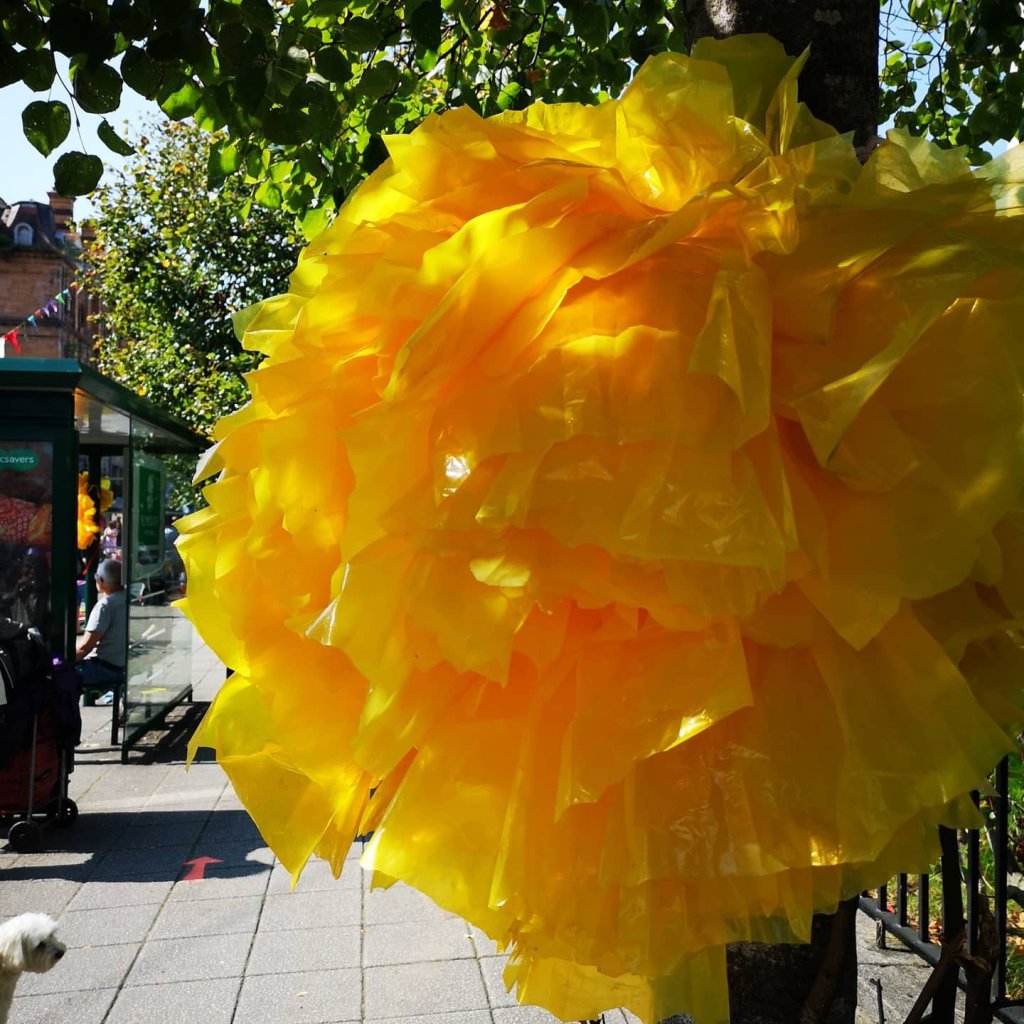
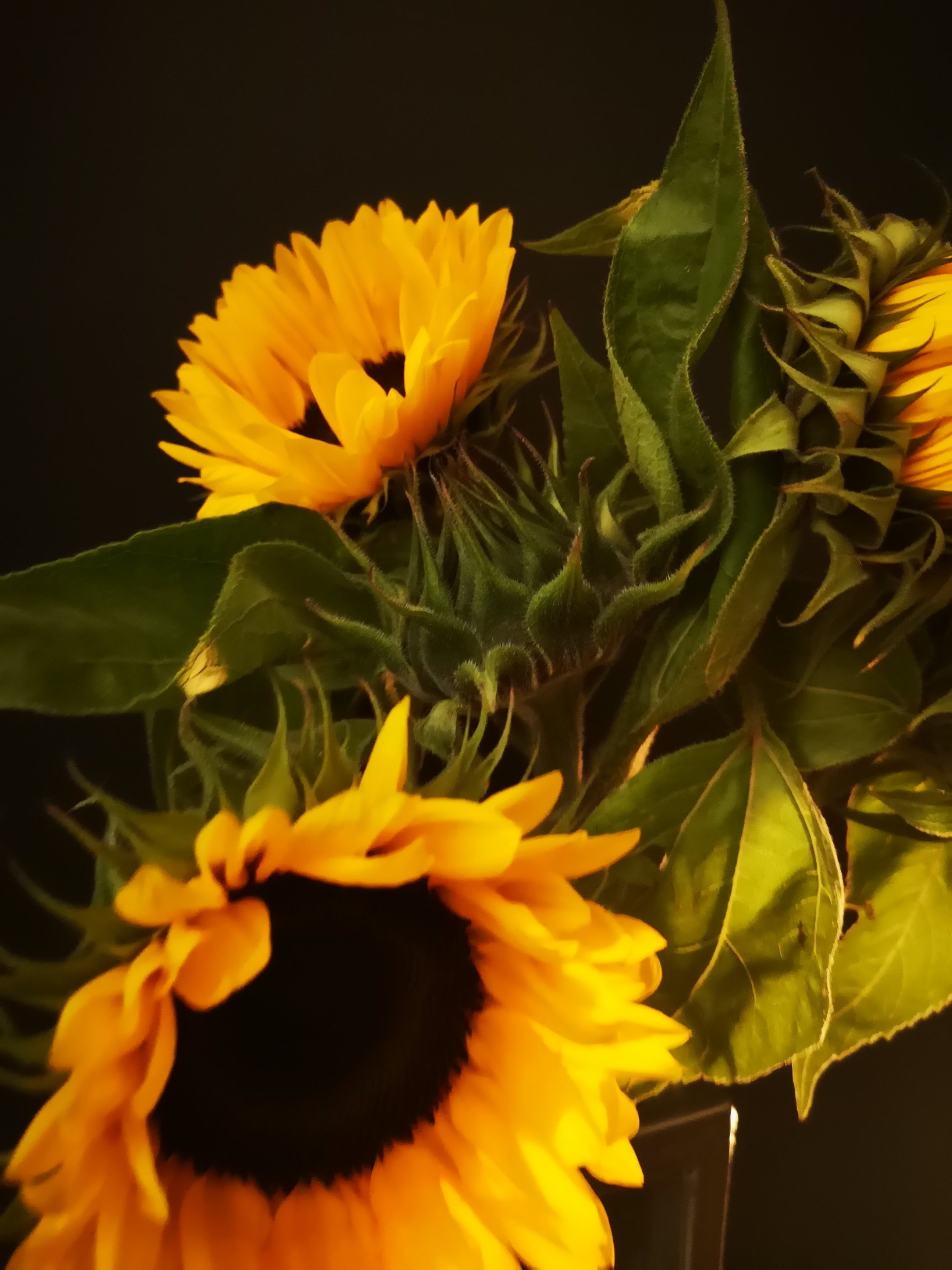
Sunflowers bought on Union Street replaced the discarded roses.

Then an evening spent swimming at Devils Point!

Dog bottoms in the Sunset…