Advent #1

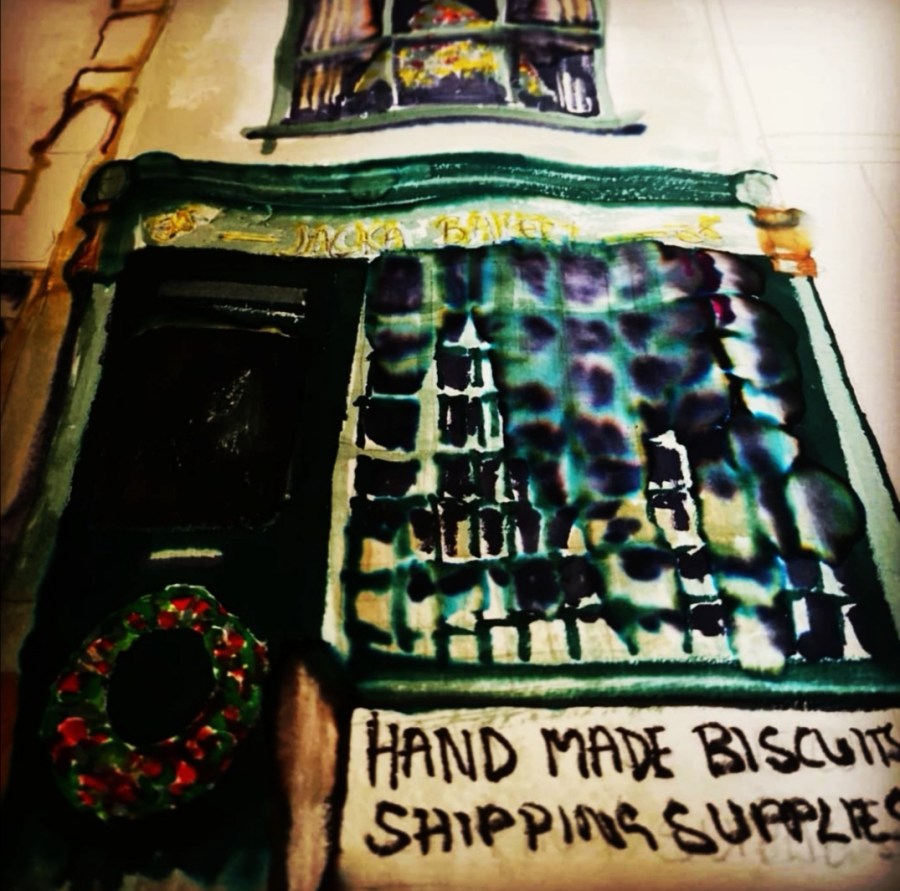
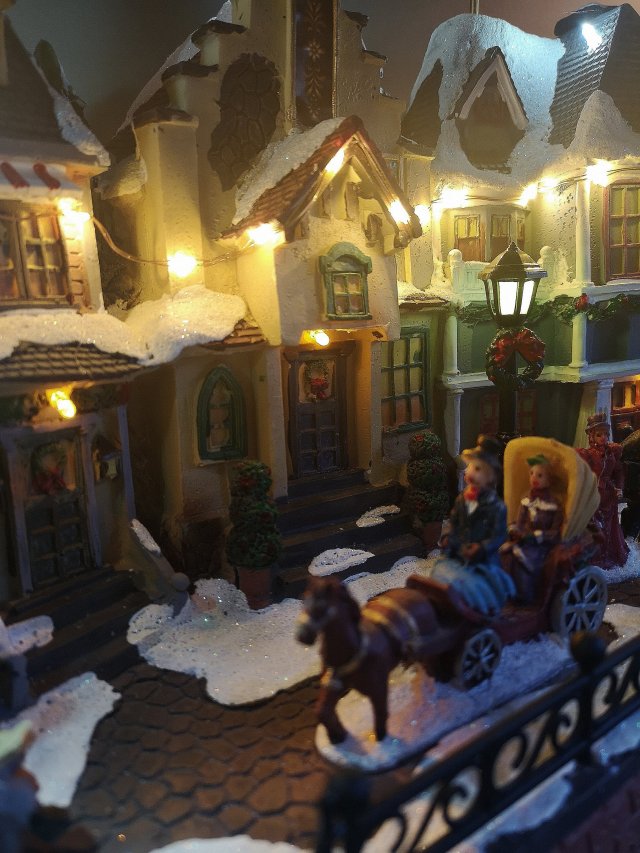
Christmas Scene at Jacka Bakery

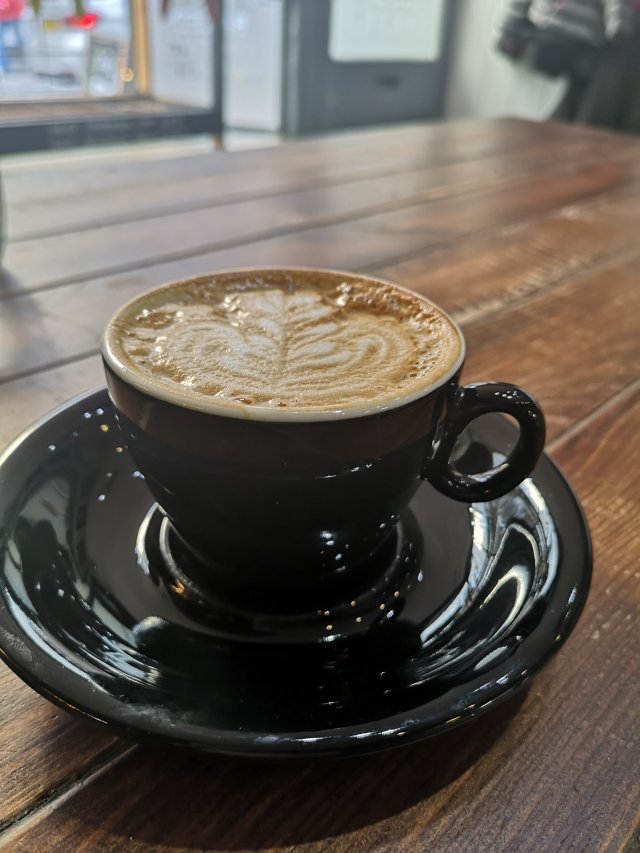
This morning was sunny and beautiful. The sun was out and the temperature was down, time for a long walk and a hot coffee as a reward.

Jacka Bakery is the oldest working Bakery in the country. Coffee here was our half-way, warm-up and sit-down reward.

theoldmortuary wrote a blog a while ago that mentioned an earlier visit to Jacka.
https://theoldmortuary.design/2017/05/12/what-a-difference-the-sun-makes/

Cotehele Garland

dav_vivid

The Tamar Valley can be a grey and dank place between November and January. Outings tend to need the right sort of clothes and a brew. A trip, at this time of year, to the medieval Manor House, Cotehele, provides numerous muddy walks along rivers or in the countryside and plenty of chances for a brew. It also alleviates the dankness with a fabulous flashback to the fecundity of Summer.

https://www.nationaltrust.org.uk/cotehele

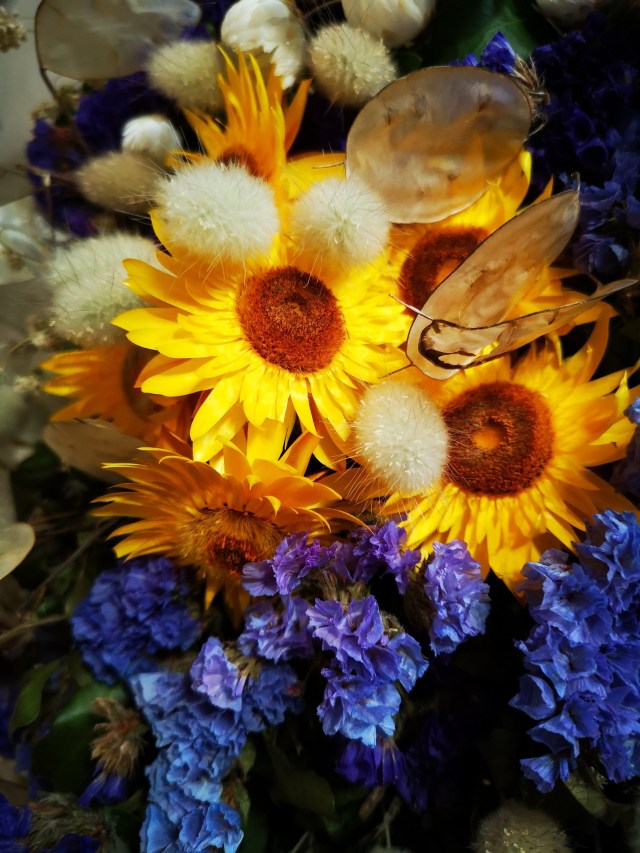
The tradition of the garland goes back to the 1950’s. It celebrated its 60th anniversary in 2016. Because it appears in November and carries on beyond the new year. Many first time visitors are surprised by its colour scheme. It doesn’t shout Christmas with rich jewel colours  or bold glossy green foliage, instead it is a joyous celebration of summer colours. Everything in the garland is grown, dried and stored on the estate.


dav_vivid

My eye is always caught by the bright pink abstract wiggles of Limonium suworowii or Pink pokers. Tethered, as they undoubtedly are, in the garland, they look like horticultural escape artists waiting to break free.
The garland is the responsibility of the head gardener. Each garland takes 12 days to assemble but it has taken a full gardening year to grow the plants from seed and then harvest them to be hung and dried ready for the November assembly. Depending on the quality of the summer weather, between 23,000 and 35,000 flowers are produced. Volunteers spend 70 hours a week caring for, then cutting and stripping the flowers ready to be dried. Picking starts in April, once ready, they are bunched and hung to dry until November.

7E8FCFCE-DB03-4A3E-BA4A-98158DFD71F4


Each garland differs slightly depending on the growing success, or not, of the various flowers that traditionally form the garland. Some years a theme is adopted that has a particular significance, for example, last year was the centenerary of the end of World War 1.
The green base of the garland is the product from fifty Pittosporum or Cheesewood trees, an evergreen shrub with small, shiny, leathery leaves. Ninety feet of rope forms the beginning of the swag, bunches of Pittosporum are then tied to the rope until it is covered.
517E320C-779B-40D0-B3CC-85B11851515D
Photo credit . The National Trust. Cotehele

The swag is then ready to become a garland.
Scaffolding is erected indoors and the swag is hung in the Great Hall, gardeners clamber up to create the lofty design, the beauty of a years harvest of flowers and hard work are pushed into the greenery one colour at a time to ensure an even distribution.

sdr_vivid The Garland attracts 32,000 visitors to the estate. For some it is an annual visit, to rekindle the memories of past visits, for others, it is a unique experience, never to be repeated but wonderful never the less. The volunteer guides at Cotehele are a huge asset. This pondering was all gleaned from talking to a volunteer for less than ten minutes, I don’t think she missed a single thing.

theoldmortuary meets enthusiasts.

The blog writing course by The Gentle Author, founder of Spitalfields Life, encouraged course members to do many things. Visiting small museums, was one of his top tips,        “Because they are always full of enthusiasts” were his exact words.

https://spitalfieldslife.com/

Saltash has a Museum, which I have never visited, a shameful admission. I do know, however, that it would fit the description of small.

http://www.saltash-heritage.org.uk/

I did a little pre-visit research and discovered that the museum themes the exhibition space annually. This year’s theme is Grannies Attic, Grandads Shed. As a new grandparent, it was quite exciting to think I could pick up some attic tips.

As a side reason for visiting, I wanted to check the local archive and see if there was any information on the past life of theoldmortuary.

What I also found, just as Paul ( The Gentle Author) had predicted was enthusiasts. Upstairs above the small museum is the Local History Centre. This is where the enthusiasts hang out. So many of them too.

Bruce Hunt, the vice chairman applied himself to my research. To be honest we didn’t find anything specific to theoldmortuary but loads about the locality. Intriguingly just 10 steps from our front door was the location of a now non -existent pub called The Church House Inn, owned by the church and run by the vergers. Their signature beer was called Church Ale, The war memorial stands in the pubs exact location. 10 steps from our front door makes the current 30 steps to The Cecil seem like a marathon. The church, St Stephens, features frequently in the photographic archive and about 2,000 St Stephens wedding photographs are held there. The wedding picture at the top of this post is James McIntire and Susan Lanyon in July 1937.

The Local History Centre was buzzing with activity on the Wednesday afternoon I popped in. People sorting photographs by hand and others transcribing paper data onto computers. Terry, the archivist was everywhere and when he wasn’t obviously somewhere his name was being called.

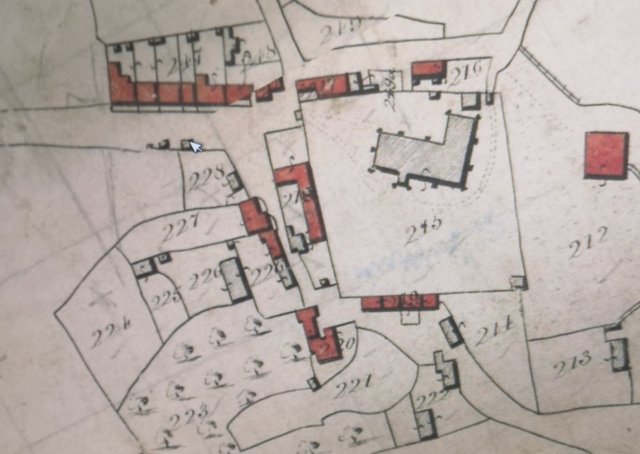
Bruce pulled up a couple of maps that showed theoldmortuary. One, the 1841 Tithe map, showed two dwellings on the site of theoldmortuary, 60 years before our home was built in 1902 or 1903 . The same dates that the Cecil Arms, the current pub was built, sounding the death knell for The Church House Arms which was demolished as soon as The Cecil was open.
My time upstairs took me beyond closing time of the museum, so another visit is needed. All I could manage was a quick peak into Grandads Shed. A perfect recreation, including the politically incorrect pin ups. Shame it didn’t have the fragrance of Old Holborn tobacco and wood shavings.
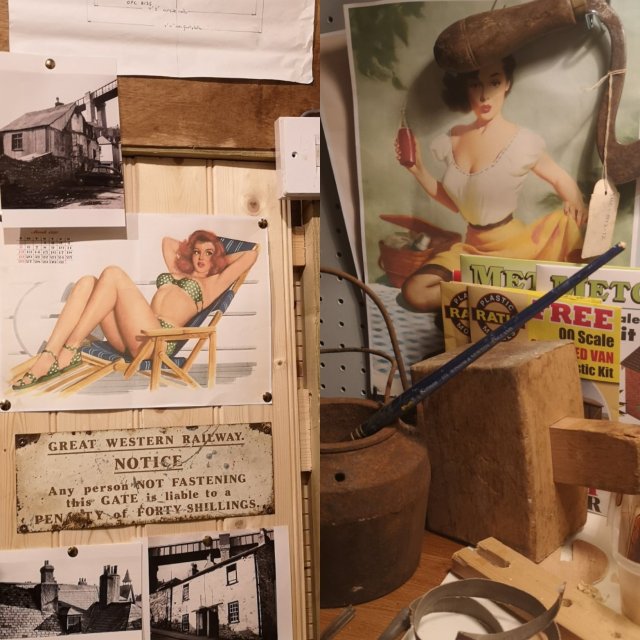
All images courtesy of Saltash Heritage.

Thanks to Bruce Hunt for information and research.

Serendipity Sunday

B30235A8-1DC2-4500-BD8E-2067A2554F08
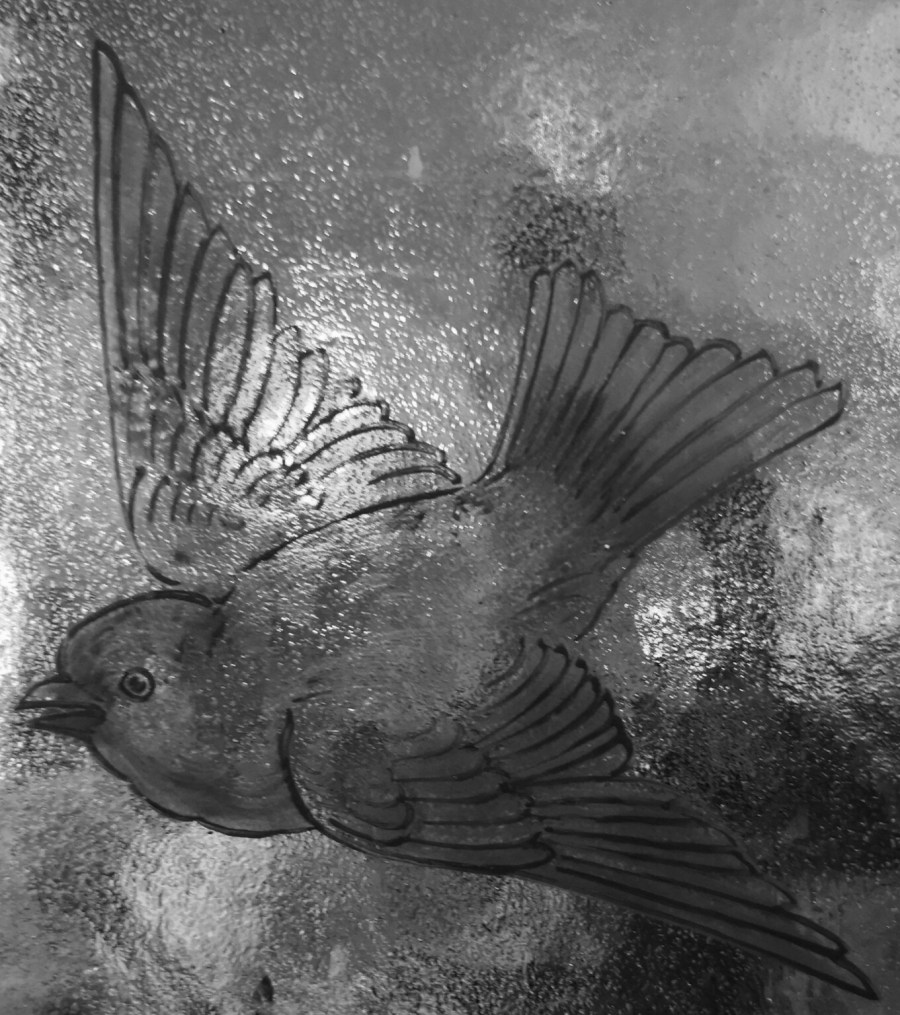
Detail from etched stained glass at The Bulls Head, Barnes.

Some days you get more time than is truly necessary for the task in hand. A trip to Barnes for a classical concert with some additional unexpected hours gave us time to explore the town and it’s excellent charity and coffee shops.The Thames shapes this northeast portion of the London Borough of Richmond- on- Thames. The Thames was our first destination. We were both gig rowers so we love a bit of paddle action. On a Sunday this portion of the river is busy with rowers, the boats seem impossibly flimsy compared to a sea- faring gig and the speeds impressive. The promenade alongside the river is raised up to give pedestrians a good view of the rowing. Crowds on this bank are a familiar sight on Boat Race Day. We walked for as long as the weather was good and then took shelter in The Bulls Head. I’ve wanted to visit this significant Jazz venue for a very long while. My dad loved Jazz, his desire to visit the jazz venues of his dreams and experience live jazz was thwarted, probably, by my arrival when he was only 27 and then by the realities of life. For a while when I was his adult child we shared some jazz experiences and since his death I’ve continued to, occasionally, dip into Jazz. I don’t give it enough attention,  every time I do I realise what I’m missing. The Bulls Head is a fabulous building for music, two Barnesian musicians have rooms named after them, Holst and Bolan. Not surprisingly the background music is brilliant, as was the food. Proper live Jazz in the back room will have to wait for another day. We were destined for a classical afternoon at St Michael and All Angels Church.

https://www.thebullsheadbarnes.com/

Barnes Concert Band gave a performance of Dixieland Jazz, ( so we did get some live jazz) Klezmer, classics and theme tunes. Over an hour of intriguing and different music played in a beautiful church with great acoustics was followed by an excellent afternoon tea also provided by the band.

Barnes Concert Band

theoldmortuary was there being supportive and proud of a brother and brother-in-law. He is the bands musical director. It was a really fabulous performance.

1DE97422-8F6B-46C2-9E46-FBA20AD0A888

Devon Slice and other baked goods controversy.

Yesterday’s Quickie#5 was a scone. A controversial food item, in particular in the borderlands of the Tamar Valley but also worldwide. Quickie#5 was a cheese scone for simplicity

Lively conversation occurs at theoldmortuary over baked goods as we are a mixed heritage household. One Hongkonger with Devon/Cornish genes, one Essex woman and two dogs from Bedford. Growing up in Essex I loved being bought a Devon Slice. A soft mound of sweet dough, glazed and split across the top and filled with fresh cream and jam. When I moved to the Tamar Valley I fully assumed I would reacquaint myself with the Devon Slice. I can’t say I was hugely diligent in searching them out but occasional enquiries were met with puzzled looks in the bakeries I visited. I have a vague idea I bought something similar, in the eighties, at Jacka Bakery on the Barbican in Plymouth, but it wasn’t called a Devon slice. As they are the countries oldest working bakery and must know their dough products I must assume a Devon Slice was an Essex or maybe even more locally a Braintree invention or,worse,a family made- up name.

Our much missed family baker, Jenny, part of the Cornish heritage had never heard of a Devon slice fitting my description.

This opening paragraph illustrates that there isn’t much of my bakery knowledge that is factually correct, and so with my lack of accurate knowledge laid bare I will make a small personal statement about the Scone/ Jam/Cream debate.

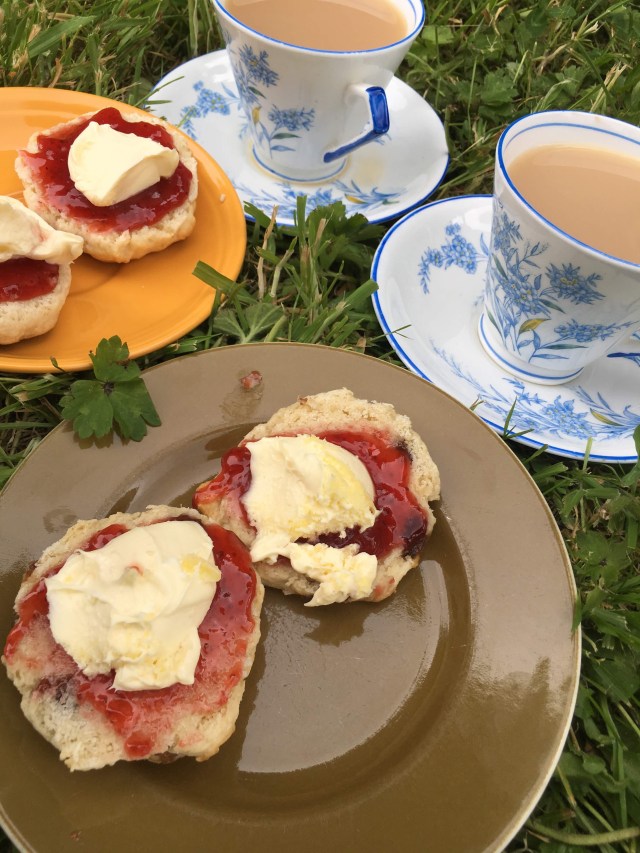
In my early Essex life amongst family we split a scone, spread the cut surfaces with thick cream and topped it with jam. We were all happy with this, I continued to be happy with it for 30 years until I moved to the Tamar Valley. My life since then has straddled the Tamar Valley, living in Cornwall and working either in Devon, or more recklessly and wildly, ‘ Up the line’ *

* Up the Line’ in Cornwall means anywhere beyond of where you are within Cornwall and to the East. It could mean Plymouth, London or, in reality, anywhere in the rest of the World.

Personally despite living in Cornwall I persist in my ‘Essex’ ways left to my own devices. In company I can go either way to be honest. I actually don’t have a huge preference. To say the spreading order of jam and cream or cream and jam is contentious is in itself contentious. Not having an opinion is entirely possible but will always expose the undecided individual to unlooked for advice in any group of people.I am hugely fascinated by other people’s views . Does Aberdeen side with Devon , cream first, or does it follow a Celtic lead and side with Cornwall, jam first? Where does Birmingham stand?

Essex I believe stands with Devon, but maybe that’s just my own leafy corner of North East Essex. Who knows?

Debate and more knowledge warmly welcomed.