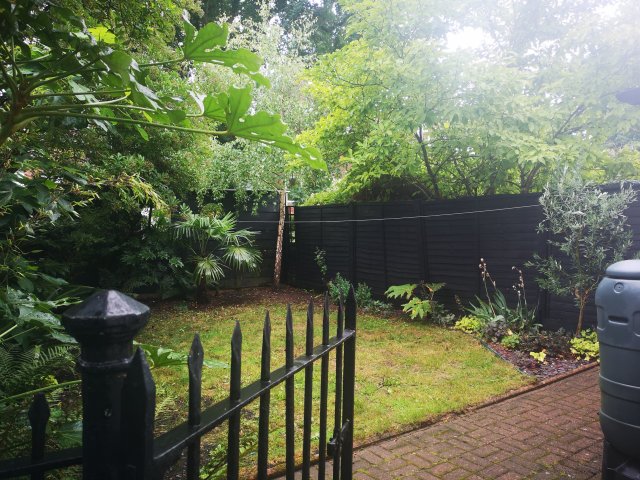
PP#111 is very brief. All @theoldmortuary has done recently is paint fences black. There is less to write about when painting black fences than there is when renovating a Cornish Hedge.
North Londoners joke that there is nothing worth crossing the river for. Suggesting that South London has nothing of interest.
South Londoners know better than to retort negatively.
The most common reply is that South London is greener.
This is particularly true in our tiny patch of garden now we’ve painted the fences black.
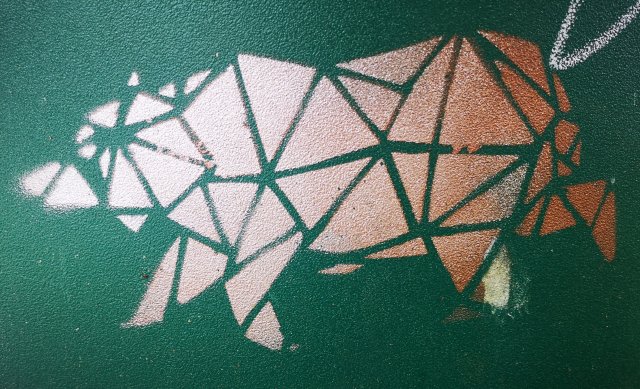
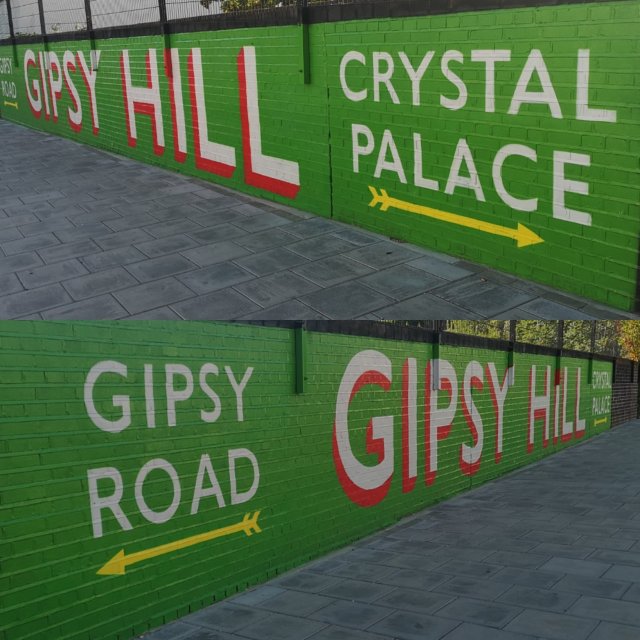
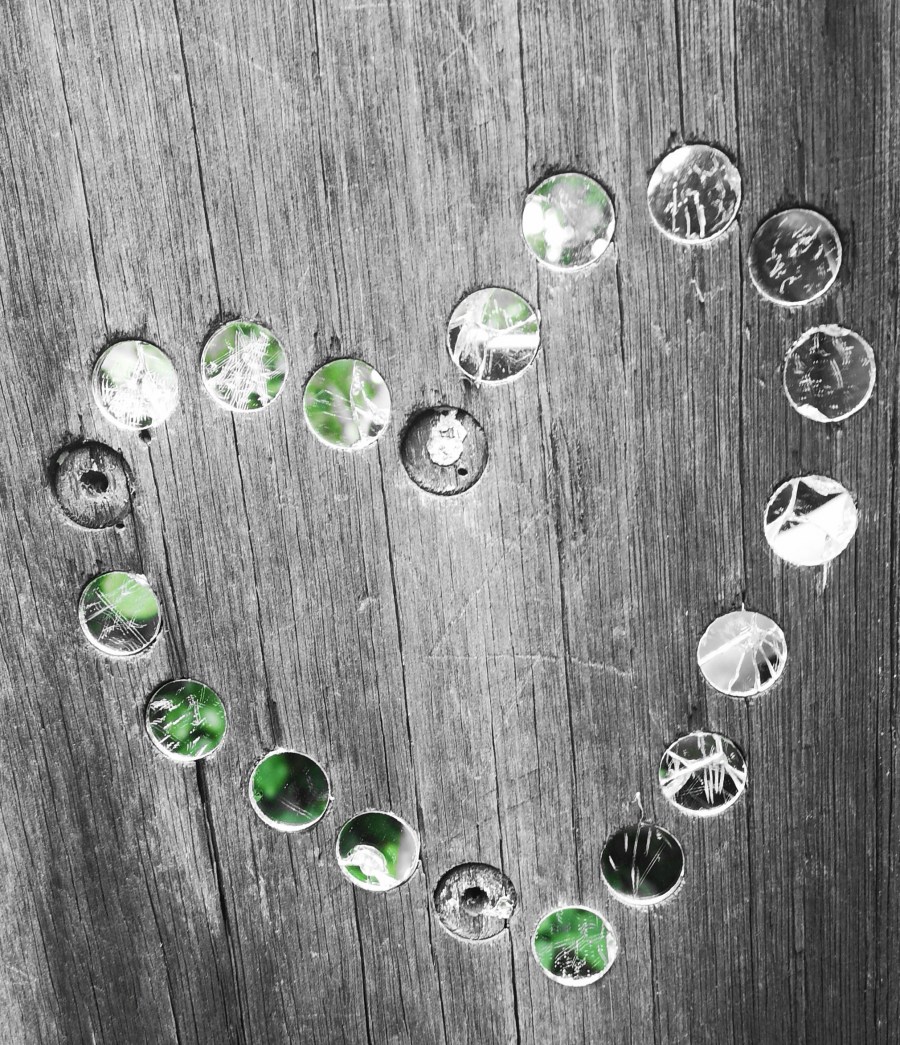
Now the fences are back to black it’s all looking pretty lush. Not only that but I haven’t has to look too far for some stencil graffiti and Palimpsest with a green theme.
Stencil Graffiti bear , Gipsy Hill,Church door Palimpsest, East Dulwich
Should you want to read about the North/South debate may I suggest this link- https://www.luxurytraveladvisor.com/destinations/north-or-south-london-which-better
Written by a proper writer rather than a mere scribbler. South London, it’s greener.
Restrictions being lifted on travel and overnight stays could not have come at a better time for @theoldmortuary.
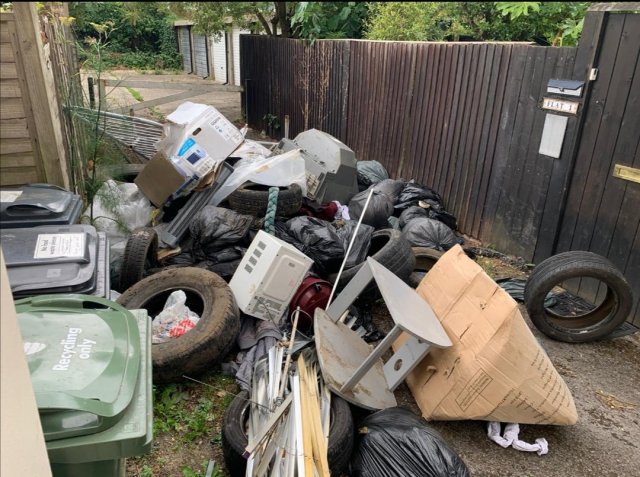
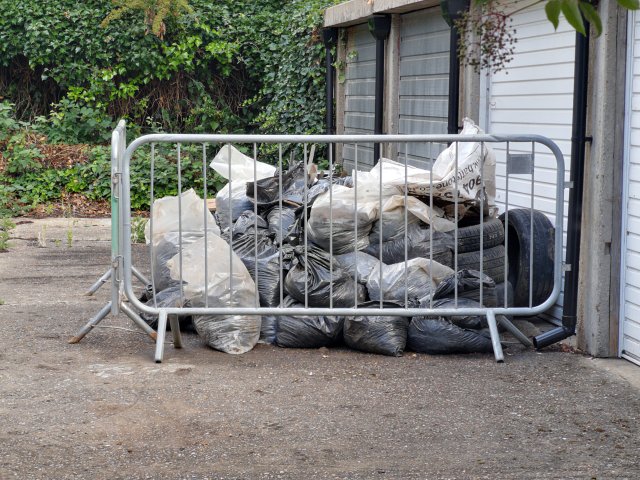
A scumbag fly tipped outside our flat in London this week
Imagine our happiness when we discovered our neighbours/friends had tidied it up.
London , like many big cities, has a reputation for being an unfriendly place but from the moment we moved here we were surrounded by neighbours who quickly became friends.
Shit happens everywhere and our neighbour/ friendships were forged over another adverse event. Three days after moving in we were burgled, traumatic enough in itself, but the day after, our flat and by extension ourselves were subjected to a frightening police raid.
Our lovely new neighbours swooped in and picked up the pieces just as they did this weekend.
Socially distant Pandemic Pondering in the garden with our neighbours.
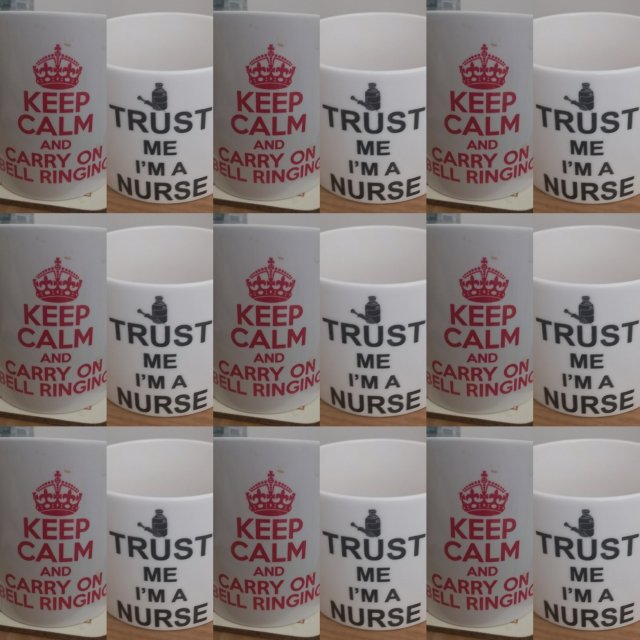
July 4 the and the first time @theoldmortuary were able to travel and stay overnight somewhere. The early morning cup of tea gave it away. Getting our hands on a fluffy Sally or being trusted with the business end of nursing are not normal @theoldmortuary behaviours, so clearly we were not at home for our breakfast.
There were many giddy moments as we ticked off counties and the differing landscapes that we drove through. Oh, the exotica of the Somerset Levels and the Cotswold Hills. Wimbledon welcomed us, no wombles today, they are still shielding, but lovely family members and some great walks.
A tiny blog, but useful. Never will you be puzzled by the term ‘ fluffy Sally’ ever again.
Some blogs just write themselves. I warned that blogs written this week would probably be composed sitting, in comfort, on a sofa whilst watching recordings of Glastonbury Festivals of the past.
Three pieces of serendipity have mapped this blog.
1. It is being written on a Wednesday, which as you can see from an old poem suggests that “Wednesdays child is full of woe” ( I am not a Wednesdays child)
2. It follows PP#104 which is about the word desolate which is officially inclined towards woeful.
3. Mark Radcliffe, the DJ presenter of the BBC’s archival coverage for Glastonbury 2020 introduced me to a new word.
Kenopsia- The forlorn atmosphere of a place that is normally bustling with people but is now abandoned.
I’ve delved into the same material and come up with some words that slip perfectly into future Ponders. For now I present my current woeful favourites.
Anticipointment. The realisation that the excitement and expectation of an event are greater than the reality.
This word is a true slap-down for an optomist, she wrote, pessimistically.
Monachopsis. Subtle maladaption. The sense that you are not quite in the right place.
Like a seal mum who lumbers onto land to endure the discomfort of birth and its after-effects in an environment that makes her clumsy and not quite in control.
Knowing that she will become graceful and confident again when she and her pup can glide back into the sea.
Zenosine. The sense that time keeps going faster.
I can only add Zenosine+P
Where exactly did Pandemic Ponderings #1 to #105 go.
July 1st already, utter madness.
Thanks to the BBC and Mark Radcliffe for fueling this blog with a new word used in their Glastonbury coverage.
The research for the blog has taken me to some intriguing places and gave me the perfect ending to blog PP#105.
Diligence and the internet led me to someone called the ‘ Disappointed Optimist’. Fact checking for accuracy got me this far.
@theoldmortuary had a bit of a Sunday snooze .Having a guest author for PP#100 was a great chance to step back and have a think. As many parts of the world ease out of Lockdown it could have been a good place to stop but the virus is still out there with no sign of a vaccine. The pandemic is not over so neither is the pondering.
Better later than never this little blog is about a sailor from World War 1. The sea being a bit of a theme on the cusp of PP#100
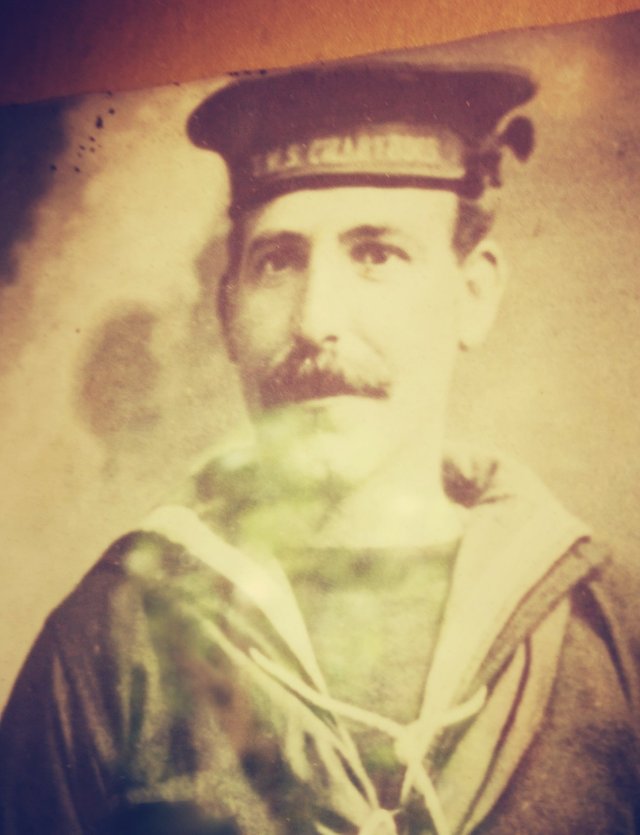
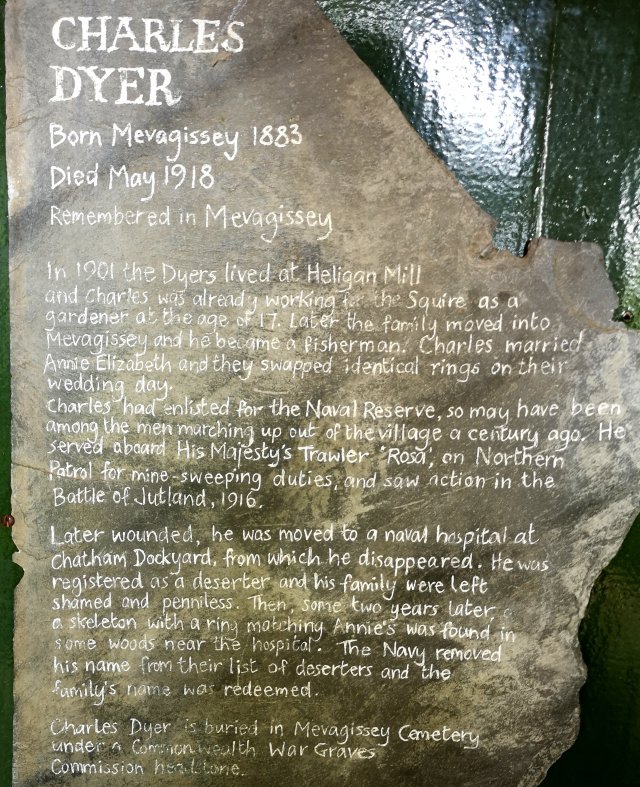
I found a plaque recording his story at the Lost Gardens of Heligan today. Charles Dyer was one of twenty gardeners who had worked at Heligan before WW1 who ultimately lost their lives as a consequence of that conflict.
Charles’ story is a little more complicated than many. This plaque tells his story.
In 1918 Charles was hospitalised at Chatham Naval Dockyard. One day he put on his uniform and walked out of the Dockyard never to be seen again. He was listed as a deserter and his family were shamed and deprived of a pension.
2 years later a body was found in a wood close to the dockyard. It was identified as Charles by his wedding ring. He was taken off the deserters list, his family granted a pension and his body was returned to Mevagissy Cemetery and given a Commonwealth War Grave headstone.
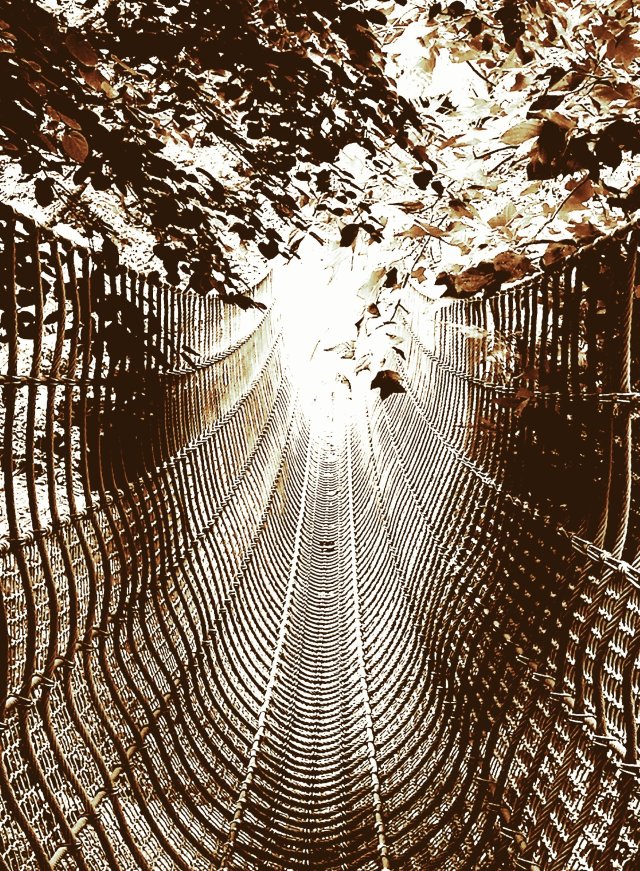
I’ve aged some photographs I took today to illustrate this desolate tale.
Naturally the first thought that comes to mind when we think of seafarers and the waterfront are long and bitter campaigns of industrial action.
But this term has its roots in the 18th century when life at sea was lonely and cruel (for example, though it seems hard to believe today on some vessels the supply of chocolate biscuits would be exhausted before the ship had even lost sight of land).and harsh punishments were handed out to offenders. But seamen sometimes got together to fight their bad conditions. They would then strike the sails of their ships – which means to lower them – so preventing the ship from leaving port until their grievance was settled.
Swinging the lead
A person who pretends to be working when he is doing nothing, or claims to be ill when there’s nothing wrong with him, is said to be ‘swinging the lead’.
Before today’s sophisticated navigational equipment, seamen used to find out the depth of water by dropping a lead weight, attached to a tins, marked rope, to the bottom of a waterway.
Some lazy sailor, would take as long as possible about it. They would swing the lead to and fro several times instead of just dropping it straight into the water. Behaviour unheard of in the VPCM but quite common in certain sections of the POMC.
On Your Beam Ends
When you are absolutely out of luck, out of money and out of much else besides, you are said did to be ‘on your beam ends.’
It’s a phrase borrowed from old nautical times. A wooden ship depended for stability on its beams- the timbers that ran across the vessel, holding the sides in place and supporting the deck. A ship that was wrecked or so badly damaged that it was lying on its side, was ‘on its beam ends’.
Not enough room to swing a cat
When an estate agent describes a house as ‘ compact’ what she probably means is that – there is ‘not enough room to swing a cat’.
The ‘cat’ in this centuries -old -saying is not a furry tabby but the dreaded ‘nine-thronged whip, known as the ‘cat o’ nine tails’ that was used to punish sailors. The punishment always took place on the open deck because below in the cramped living quarters there was ‘not enough room to swing a cat.’
For those keen students of history this explanation will evoke a memory of Winston Churchill’s famous observation, ” Don’t talk to me about the Royal Navy, it’s all Rum , sodomy and the lash.” Fortunately for those us from the Merchant Navy, the experience of the seafaring life wasn’t quite as traumatic as there was no lash and even the rum was rationed.. as for the other pastimes we mainly did jigsaws and painted water colours.
Between the devil and the deep blue sea.
Somebody who is in a very difficult situation and is liable to be in real trouble whichever course action. he chooses is said to be ‘between the devil and the deep blue sea.’ The devil in this case is not ‘Old Nick’ but the heavy wooden beam which used to be fixed to the sides of ships as a supporter the big guns. It was called the gunwhale and was a very difficult place to get to, calling for great agility on the part of the luckless sailor ordered to that position. One slip and … splash He was literally between the devil and the deep blue sea.
Ship-shape and Bristol fashion
In the fifteenth century, Bristol was one of England’s most important ports, its biggest sea-faring claims to fame is that John Cabot and his three sons set off from Bristol in the reign of Henry VII to discover Newfoundland.
Survival on such perilous journeys in those days meant that the ships and equipment had to be in perfect working order. The men spent many hours making sure this was so. Anything that was well prepared neat tidy, and efficient therefore came to be known as ship-shape and Bristol fashion.
To Cut and run
Formerly anchor cables on sailing vessels are made of hemp. If a naval warships at anchor are in danger of enemy attack and needed to make a speedy departure, the crew would not take the time to wind in the anchor as this could take several hours but would simply cut through the cable and then let the ship run before the wind.
In the doldrums
depressed, low in spirits
Early in the 19th century in the doldrums was used as a synonym for ‘in the dumps’, depressed. Later sailors borrowed the phrase to describe the region of sultry calms and baffling winds within a few degrees of the Equator, where the north-east and south-east trade winds converge. Here the progress of sailing ships would be greatly delayed for many days, their crews becoming frustrated and demoralised . Hence their feelings provided the name for the area.
Lassie
In itself. Lassie is not a nautical term, but the name of this famous Collie has an interesting connection with maritime history.
The first British battleship to be torpedoed by a German submarine was HMS Formidable, sunk just off Portland Bill in the English Channel in 1915. A few hours after the sinking, some fishermen found the body of a seaman that had been washed ashore in Lyme Bay; they carried it to West Bay and laid it out on the floor of the Pilot Boat Inn, and out of decency covered it with a tarpaulin.
However, the dog belonging to the landlord of the inn kept pulling aside the tarpaulin and licking the face of the dead seaman. Despite every discouragement, the dog persisted until the landlord was forced to see for him self what the dog had apparently known all along, that the seaman was not yet dead. The man was revived, and that is the end of his part in this story. Eventually, though, the incident inspired the famous film featuring the collie who won the hearts of millions of children the world over for her bravery, loyalty and intelligence.
The point of this anecdote is that the dog was named after the survivor of the sinking of HMS Formidable, John Lassie.
These are just a few examples of the thousands of words and expressions that were coined by our gallant seafarers
@theoldmortuary is in a village that, like many, has been consumed by a larger conerbation to the point that it barely considers itself to have a separate identity.
St Stephens was quite separate from the local town until ribbon development and housing estates attached it. It remains separate from the next village , divided by a steep hill and a river. Land that would have been difficult to cheaply develop. Although an easier gentle slope closest to St Stephens has had two housing estates built into it.
As a village it was well set up prior to the attachment to a town . It had the unholy trinity of a pub, a church and a village shop. Plus,the added luxury of an undertakers based in what is now our home.
Pandemic restrictions brought the sense of a village back to St Stephens. Without a pub or church there was nothing to draw outsiders into the area. The people we met in the street, as we walked the dogs, were people who actually live here. A different sense of community also revealed itself. I’m probably going to be wrong but there are less than 10 areas of housing development or estates around the original hub of St Stephens village. Many of the current inhabitants of these houses bought their house off plan from the developers 40 or 50 years ago. These people have a village community based not only on geography but also 40+ years of living and ageing in the same space and experiencing similar lifestyle milestones.
The old village hub no longer exists, only the church and pub have survived, neither would be effective communities if their net for customers was not spread much wider than either the original or expanded village. Only one farm has been saved from development and Churchtown Farm Nature Reserve, as it is now known, is as big a draw to the area as both the church and pub to people beyond the blurred boundaries of St Stephens.
In London, and maybe other places, the word’ Village’ is increasingly popular as an add-on to properly define a local identity within the urban sprawl.
Before the pandemic I had not really given this sense of identity too much attention. I grew up in a village that had a strong sense of its own identity and clear 360 degrees of obvious boundaries between it and it’s nearest neighbours. In London I lived in a high density suburb in Zone 3 , Gipsy Hill, a place that has a strong seperate identity just North of Crystal Palace and south of central London. Somewhere that wants to adopt the word Village into its identity. Yet without even 1 degree of seperation from its neighbours.
I’m not even sure where this pondering is going beyond my own realisation that it can be really enjoyable to have a loose connection with the people who physically occupy the same geographic area and walk their dogs or families in the same spaces.
Village is not only a word but a feeling.
Pandemic Ponderings is taking a leap for Pandemic Pondering #100. A guest writer for the first time, whose words will be illustrated by @theoldmortuary. I hope it’s the beginning of an interesting collaboration.
The writer and I grew up in the same village. We live on opposite sides of the world.
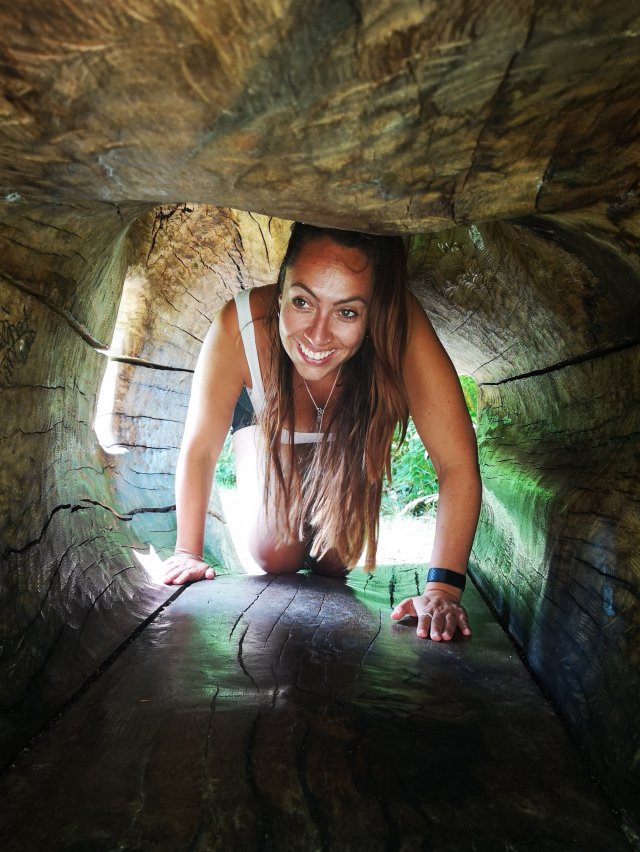
@theoldmortuary we don’t have any fathers. Definitely a cause of sadness but within our micro family we have two Father’s, my ex-husband and my son. Today was a socially distanced family gathering to celebrate at a distance those father’s both with us and those no longer with us.
Celebrate takes on a whole new way of being when the only alcohol is in the hand sanitizer and everyone has prepared their own picnic.
Our destination was the Eden Project as previous visits, since the relaxation of lockdown, have been very easy. It is never busy and has plenty of space for a family to social distance.
Our progress is always slow around Eden.
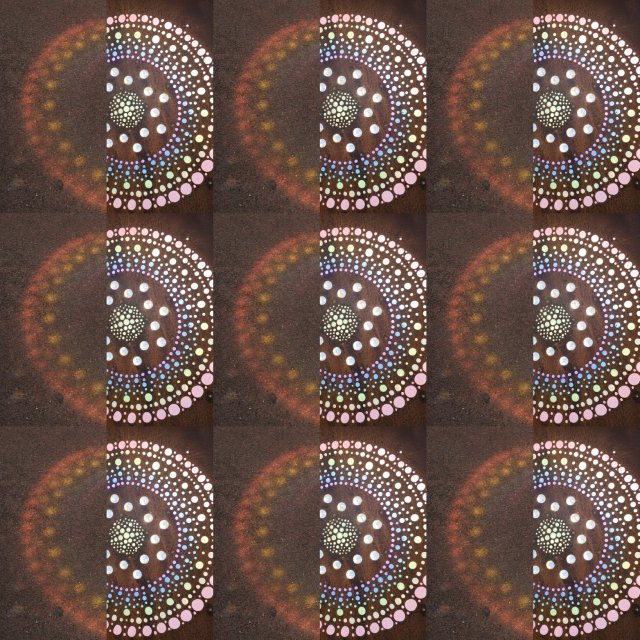
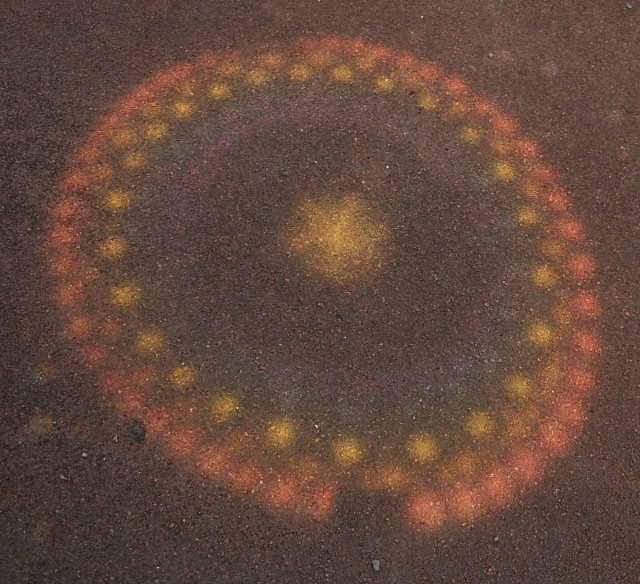
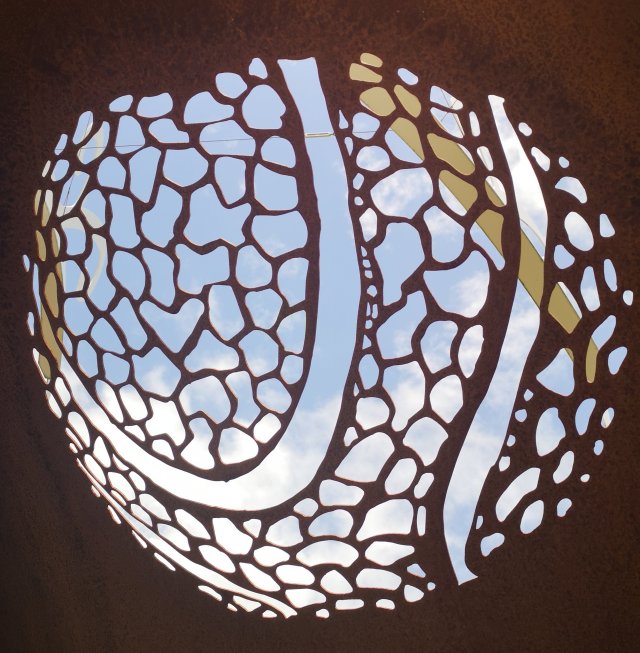
Today, patterns was my photographic project , beyond the family of course.
This first image is a pierced stained glass design and it’s projected image stitched together and then tiled.
The rest are just pierced metal and bright sunlight.
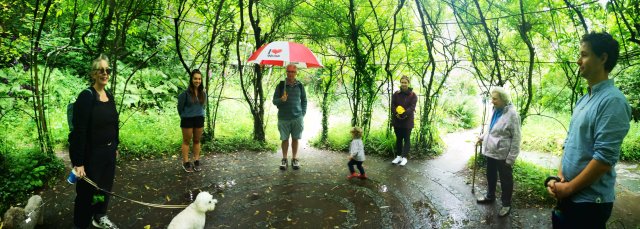
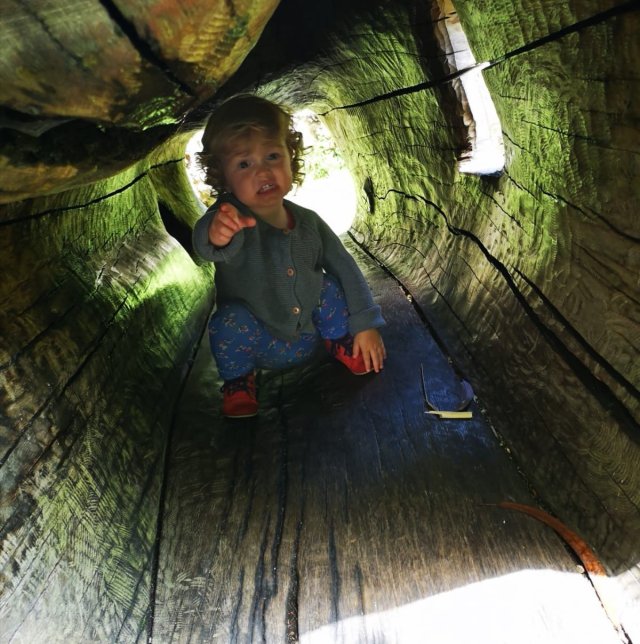
Finally we have the three people,all in the same log, that celebrated Father’s Day with their Dads today.
Northern hemisphere Summer Solstice 2020 and in Britain Stonehenge is all closed up and guarded by security.
Gathering in numbers is still illegal, although on our evening walk there were larger gatherings,than permitted, out and about but pretty nasty rain would have dispersed them. So the longest day will still pass without being marked in a communal way.
Trawling the archive seemed the right way to mark a solstice like no other.
For interest sake I researched the days either side of the solstice.
Without too much trouble it was easy to see some themes and maybe a little bit of Midsummer Madness.
1. People
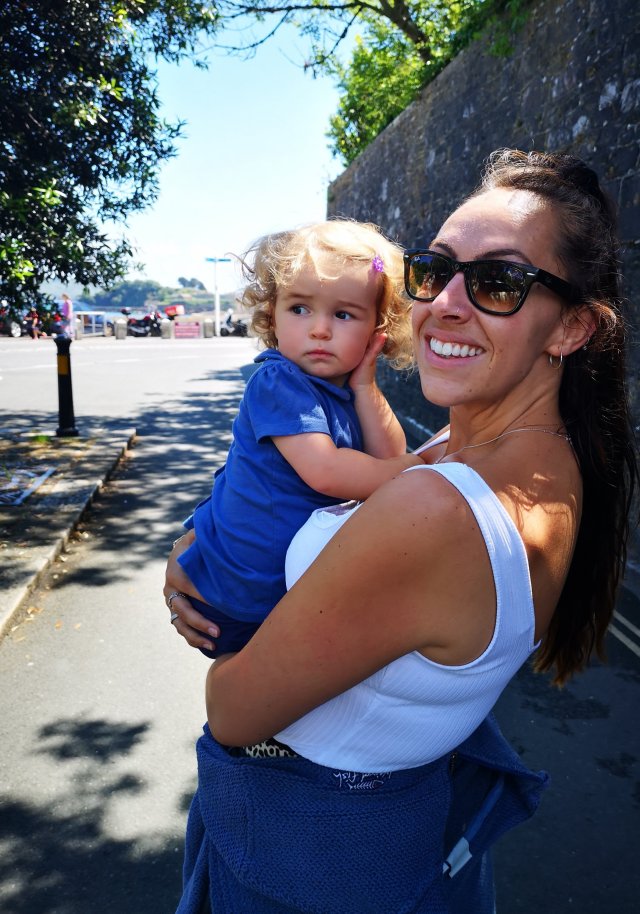
Today @theoldmortuary spent time with our daughter and granddaughter.
In past years we’ve spent time with Brenda our mother-in-law. Who in this picture was captured by a sunbeam. We will also see her again today, who knows if she will bring the sunbeam again.
Breakfast in Southampton with Uncle Mohammed and Aunty Margaret who live in Canada but were passing through.
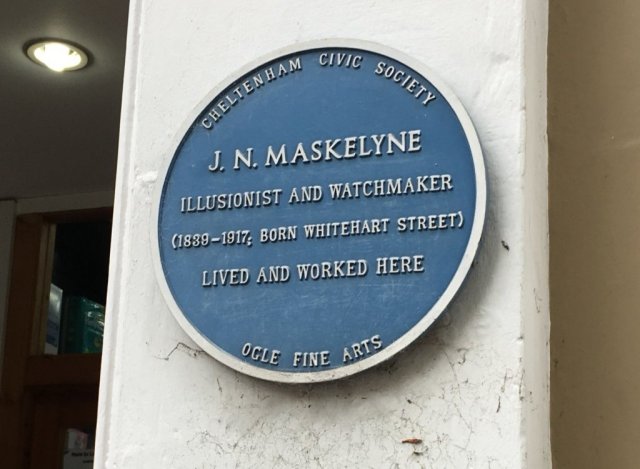
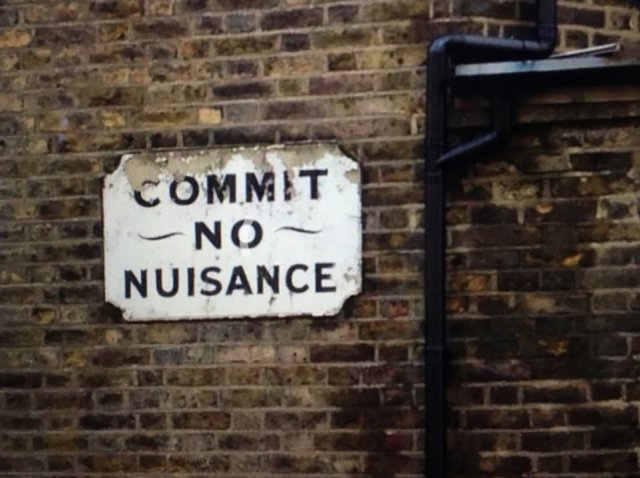
2. My fascination with street signs.
3. A fascination with stairs.
4. Flowers
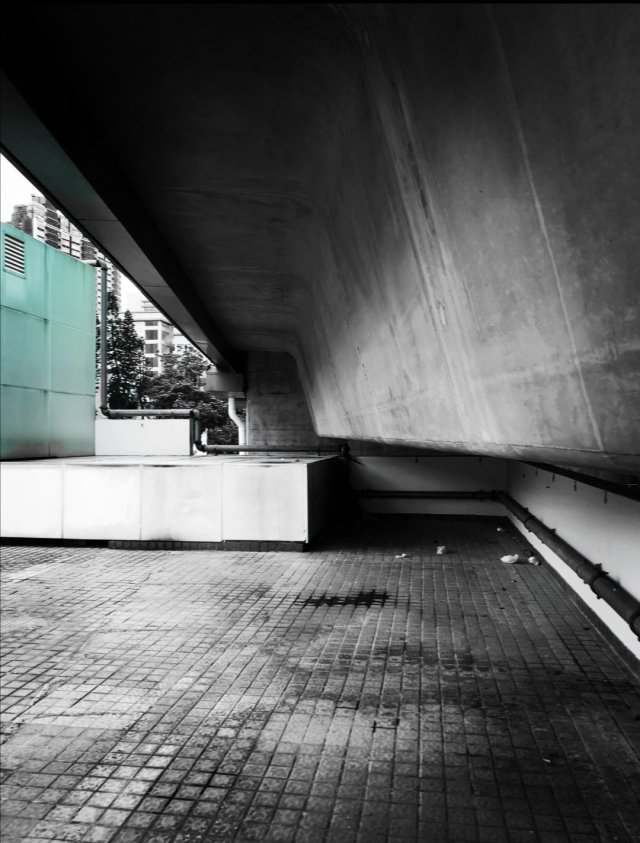
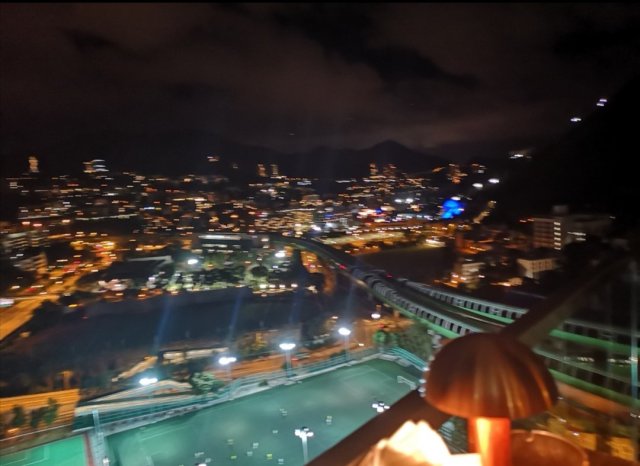
5. Aberdeen , Hong Kong
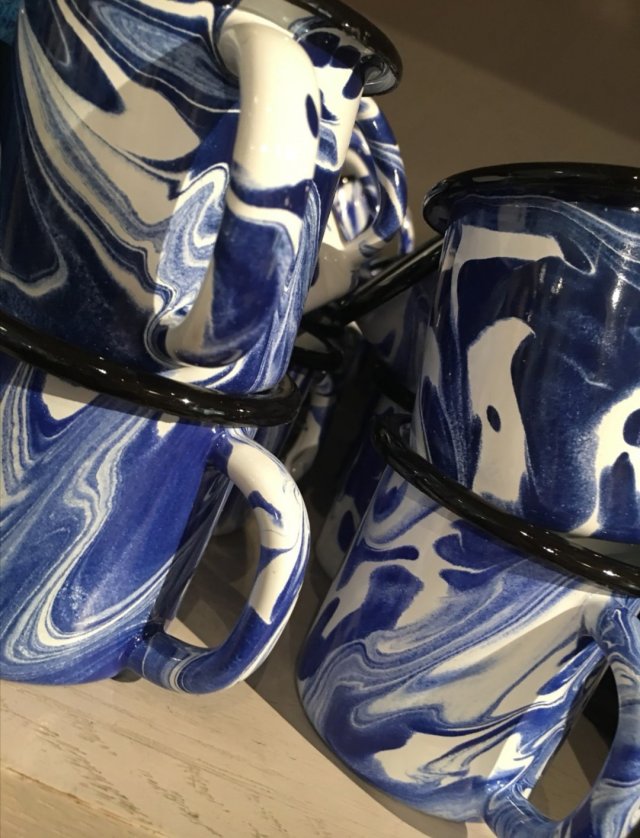
6. Cups
7. Dogs , ending with a sunset on the longest day.














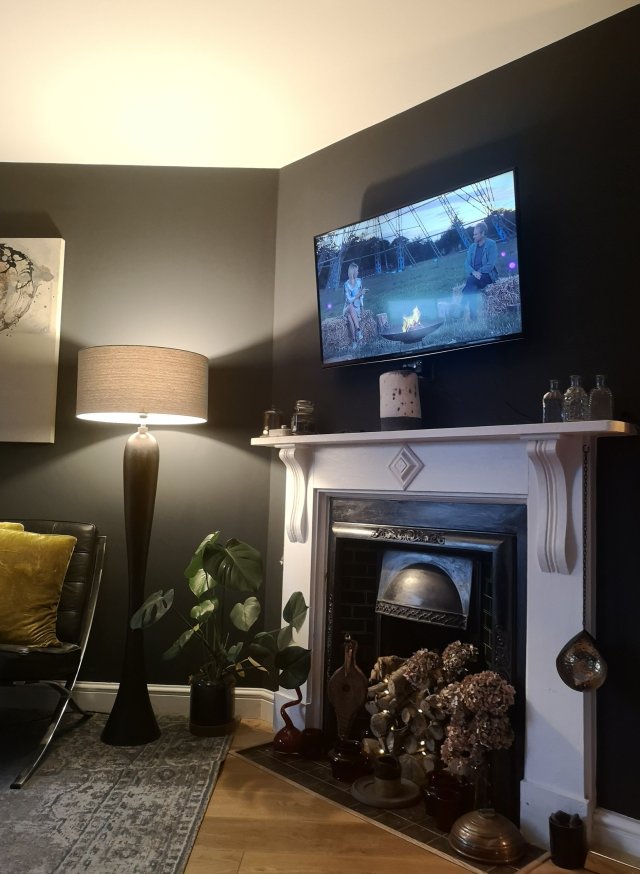
 Some blogs just write themselves. I warned that blogs written this week would probably be composed sitting, in comfort, on a sofa whilst watching recordings of Glastonbury Festivals of the past.























 theoldmortuary.design