Everyone reading this blog has lived through the same historical event.
What major historical events do you remember?
The Covid-19 Pandemic is unforgettable for every single one of us. Millions and millions of unique recollections of a global event stored in our memory banks. I have never been one to wish for advanced old age or immortality. Covid-19 gave me an intellectual and low grade fascination with how the pandemic will be viewed through the lens of passing time. I am fascinated by the changes, big and small that already affect our day to day lives. Covid-19 made me want to live to be a sparky 100 year old who can sagely point a finger and flash a twinkling eye before delivering a witty, eloquent and fascinating monologue on the day to day life changes caused by the pandemic. As expressed by a sweet old lady who has become, if not a ‘National Treasure’, then at the very least a ‘ National Trinket’. I already own the hat for my promo portrait. Just a few more years to live…
Meet the neighbours. If our neighbours were in any way’normal’ I would not take photographs of the stuff I saw in their home. Our neighbours are the Royal Marines and we live exceedingly close to their actual and spiritual home. So close in fact that when their guests arrive by helicopter our house trembles a bit. As a significant military establishment the area is not open to the public and is guarded night and day by armed guards. Yesterday their neighbours were invited in for a tour. Three hours of fascinating facts and historic architecture. Since I love both those subjects I was fully engaged and could have listened and learned for many more hours. Rather than regurgitate all I learned I will share a link to two useful websites.
Leaving me to natter on about two things that we can all relate to. A chair and a sandwich.
I had no expectations of this visit beyond getting to look beyond the gates of something I walk past every day. We were very well informed and entertained by Charlie, an avuncular Royal Marine with many years service and much love for the organisation he represented. As a civilian I have always struggled with the military being a mirror reflection of the British class system. See below.
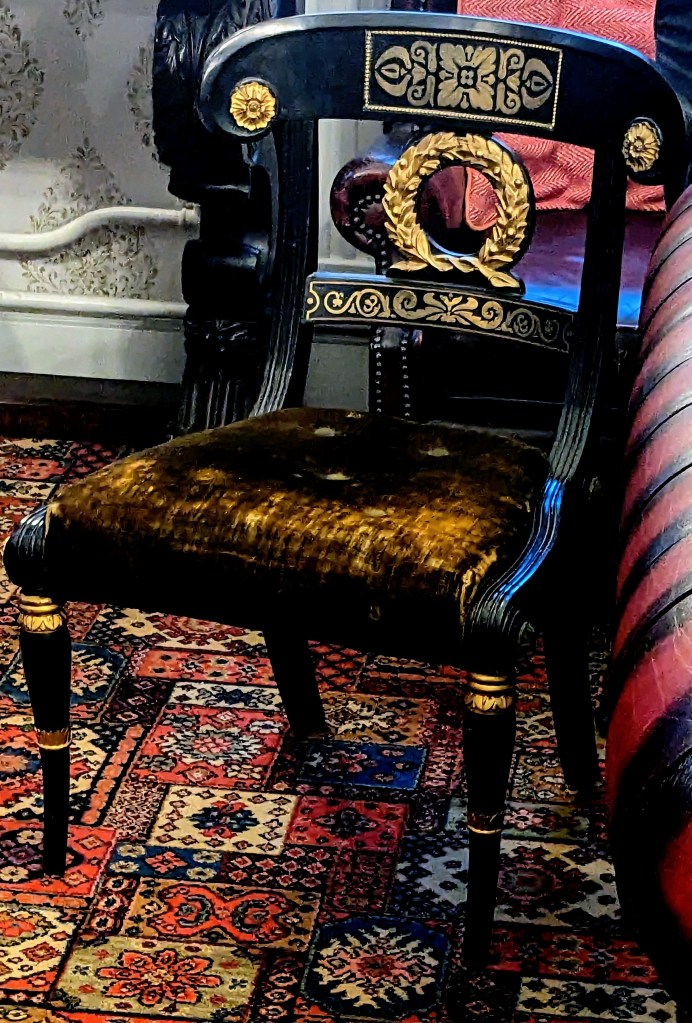
It will come as no surprise that the Officers Mess was a very grand building but it was here that we met a fairly normal chair. That once was the place where Napoleon Bonapart placed his bottom for three years of his incarceration. With its original upholstery.
It is said that Napolean died at the age of 51 from a gastric ailment. Oh the things that velvet may have had to endure.
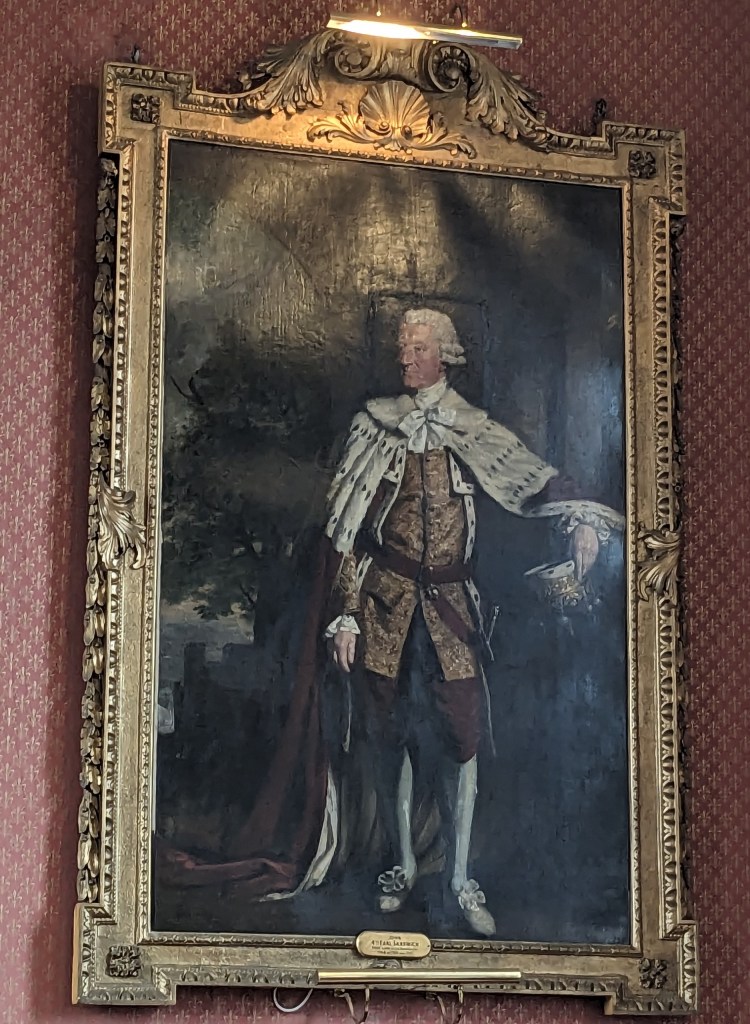
Moving swiftly on,to the upper end of the gastrointestinal tract, we come to the 4th Earl of Sandwich. A man, who as First Lord of the Admiralty was not a fan of the many formal meals that Officers were obliged to attend and socialise at. Instead he liked to have working meal breaks and had cold meats, cheeses and bread brought to his office. Where he assembled what came to be known as a sandwich.
Here he is presiding over the grand dining room. Somewhere he avoided in favour of a humble sarni.
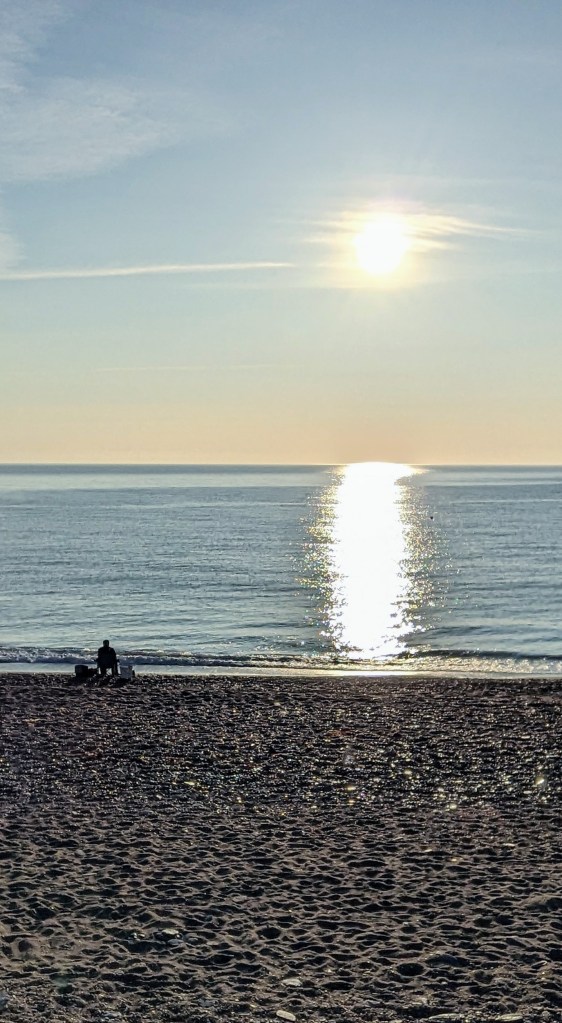
Not a bad place to write a blog from. Slapton Sands, South Devon.
Good weather and a diary malfunction gave us some extra hours in the day yesterday. We took off to another town, Dartmouth for an afternoon and evening of exploring.
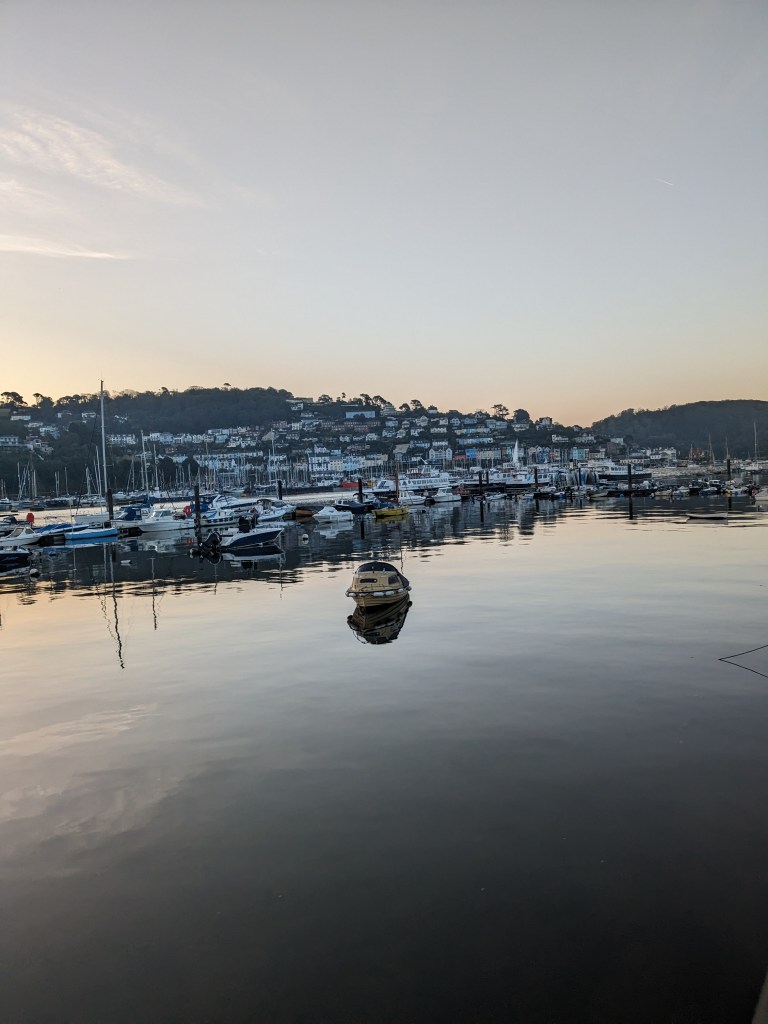
We overnighted by the side of the river. Our early morning wake up was very peaceful.
This blog was planned to be about Dartmouth but one tiny event at Slapton Sands pushed Dartmouth on to tomorrow.
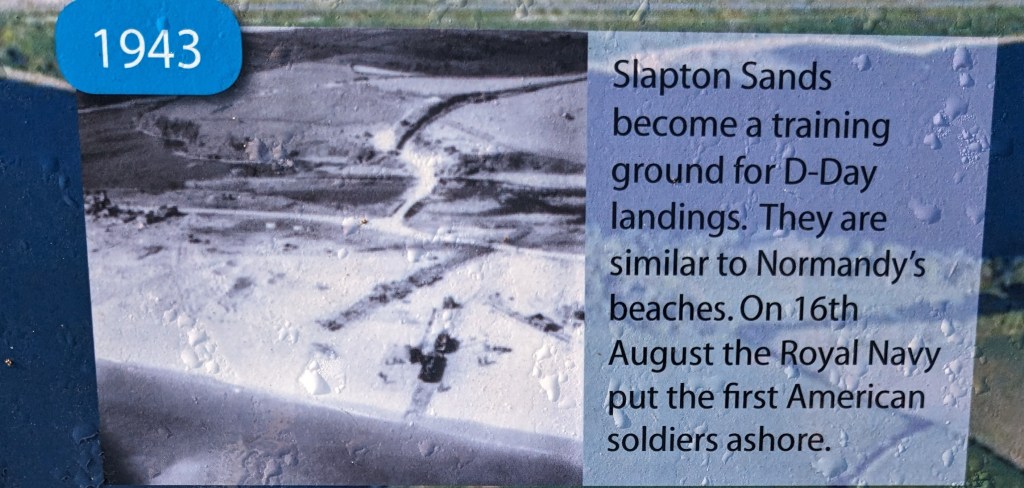
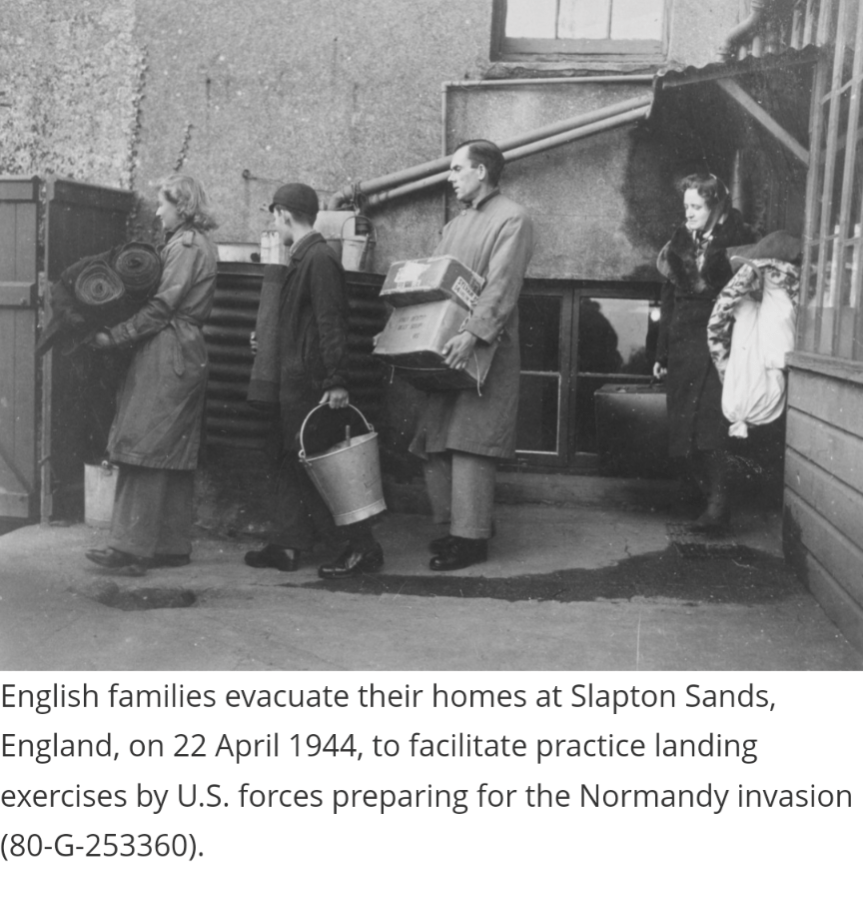
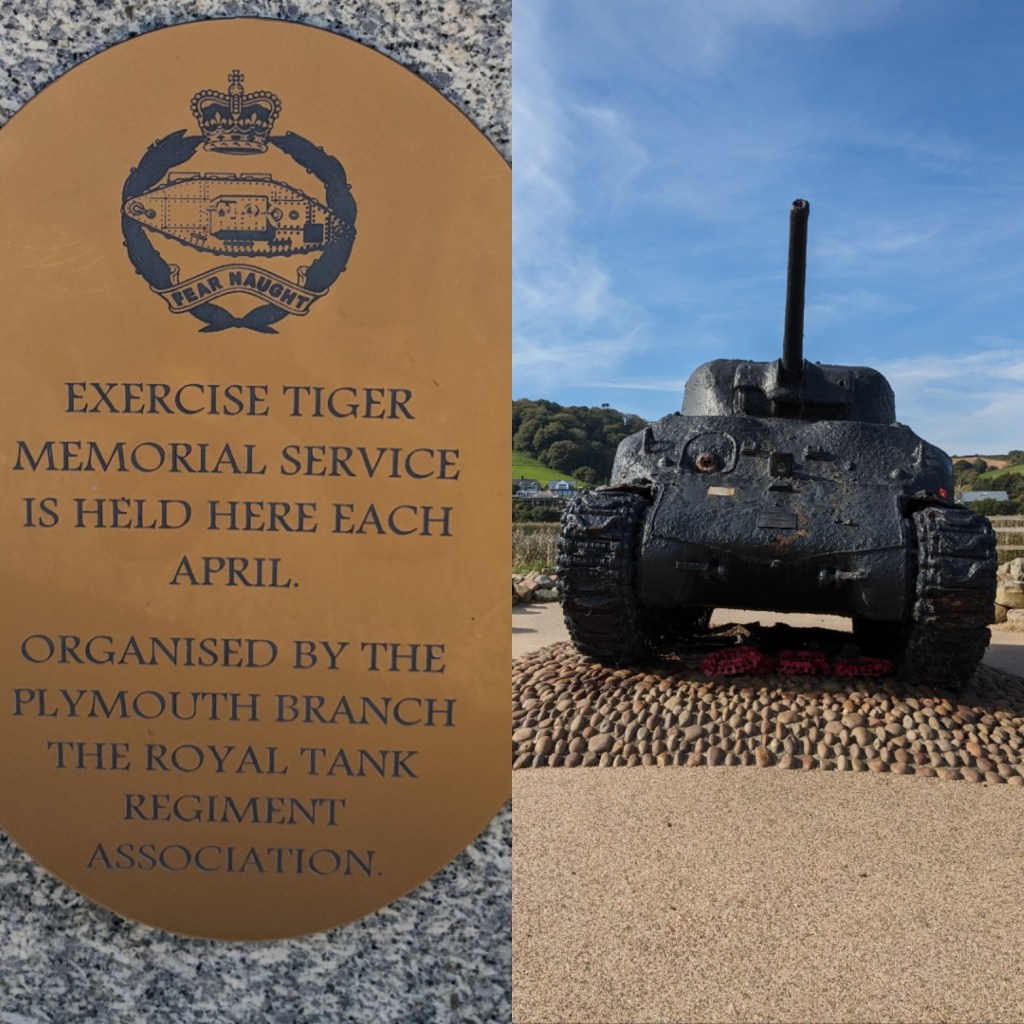
A landing craft arrived and suddenly the history of Slapton Sands seemed the thing to ponder.
Frivolous pondering seems a little at odds with this moment. I will pencil that in for tomorrow.
The links are fascinating and sad, if you have the time to read them . I realise now that as soon as this Official Secret was lifted in 1974 my parents booked a holiday in this area in September 1974. There were so many veterans visiting the area. I suppose I thought that was normal, and it may have been. But there were lots of American tourists visiting this coast. Definitely not so many in recent years, but next year is the 80th Memorial.
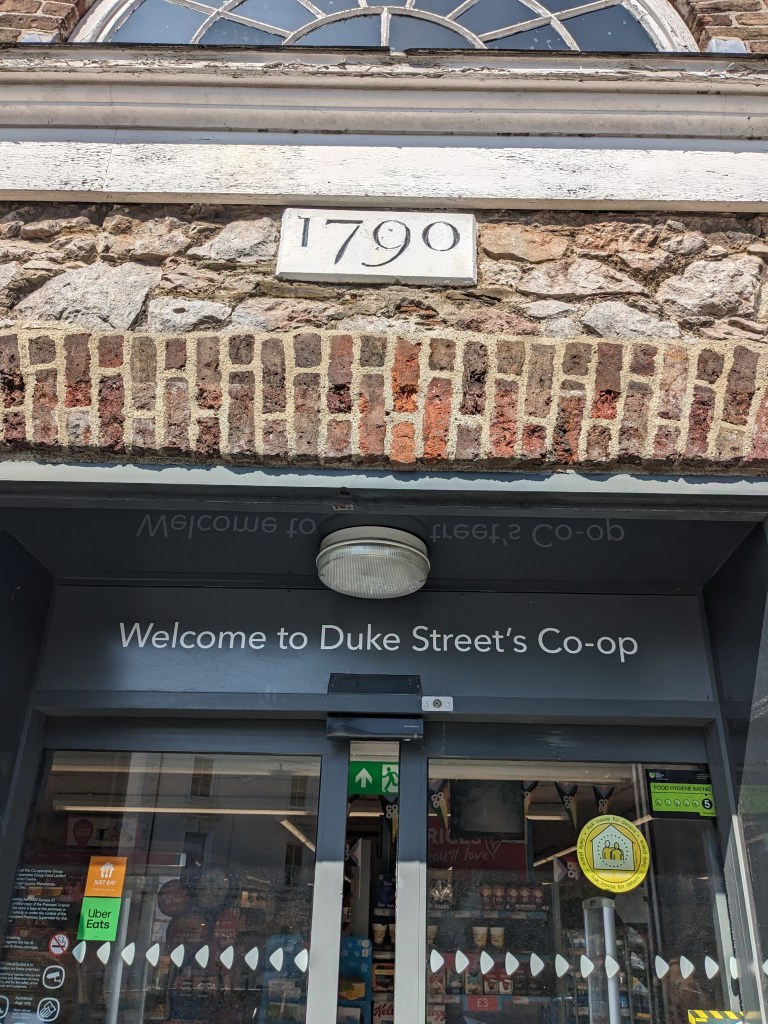
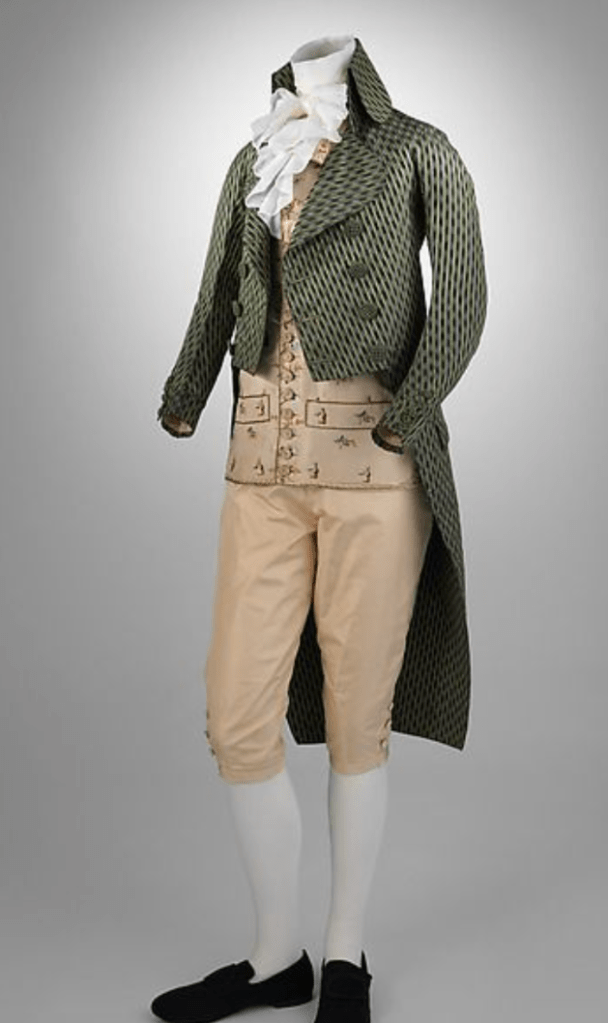
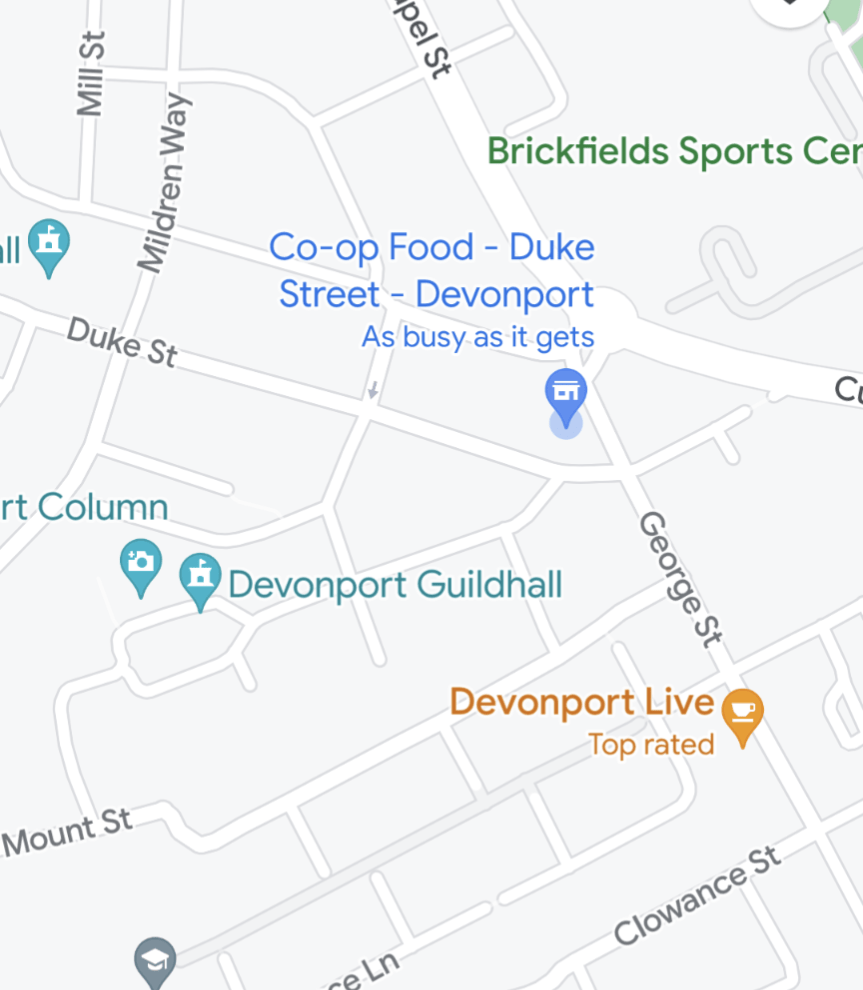
Just a little Saturday extra. I always treat myself to a print copy of a Saturday newspaper, The Guardian. My most regular shop is a Co-op in Devonport. I am blown away that humans have crossed this threshold for the last 233 years. Originally it was a Unitarian Chapel and the fashion for men and women of the time was as below.
My clothing today, while collecting the newspaper, more closely resembles the male style of dress, a pair of exercise leggings, a tight fitting under vest and a loose swinging top.
By 1801 the Chapel had fallen out of use, mostly because Unitarianism was considered disloyal in a town that was primarily a military and thus Royalist town. Unitarians were enthusiastic supporters of the French Revolution. In a Spiritual switch around the Chapel became a Wine Merchants and may possibly have been a short-lived pub called The George.
The building was previously considered to be in George Street Devonport. And now it is a convenience store without actually moving an inch,in Duke street which conveniently sells newspapers on a Saturday. One other shop related ponder. I bought a sequin top to make a mermaid outfit from a charity shop. The young, male, shop assistant looked at my purchase and said. ” We should all try to sparkle every day”
Plymouth is a city like any other with suburbs. Many of those suburbs are unknown to us in any real sense. Sometimes they are just corridors from one familiar place to another, often these journeys are taken by just one of us. Yesterday we did one of those journeys together with the dogs. On this particular journey there is an odd little car park, often full with no obvious purpose.
” I’ve always wondered why people park there.”
” Me too.”
“Let’s park there”
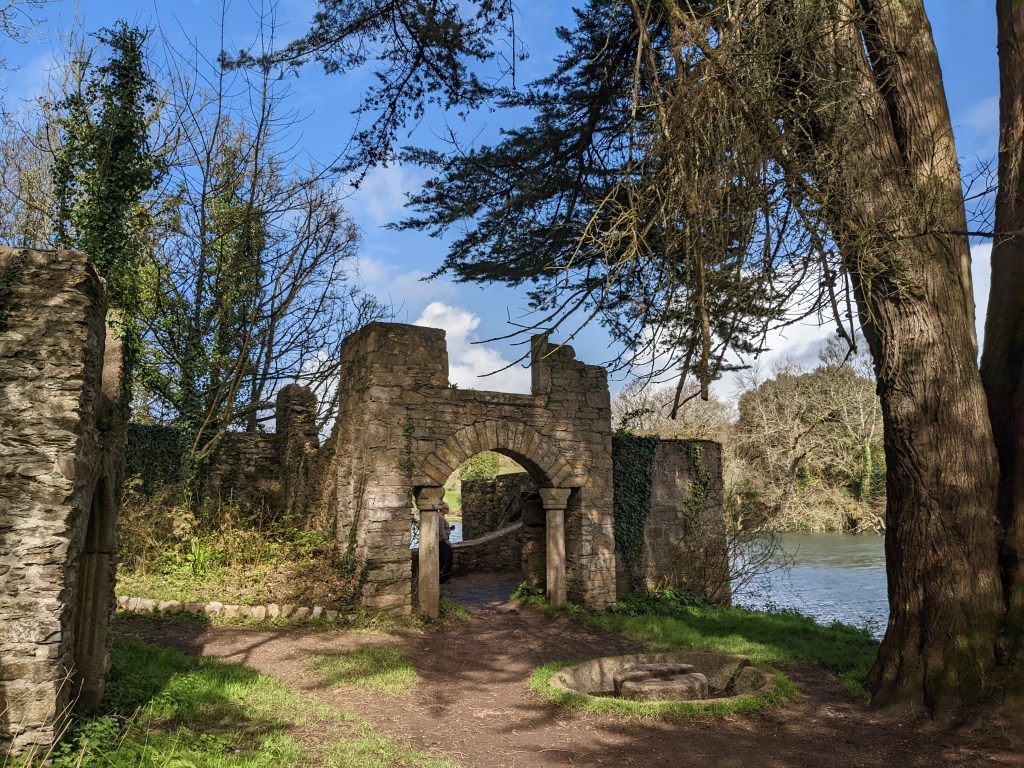
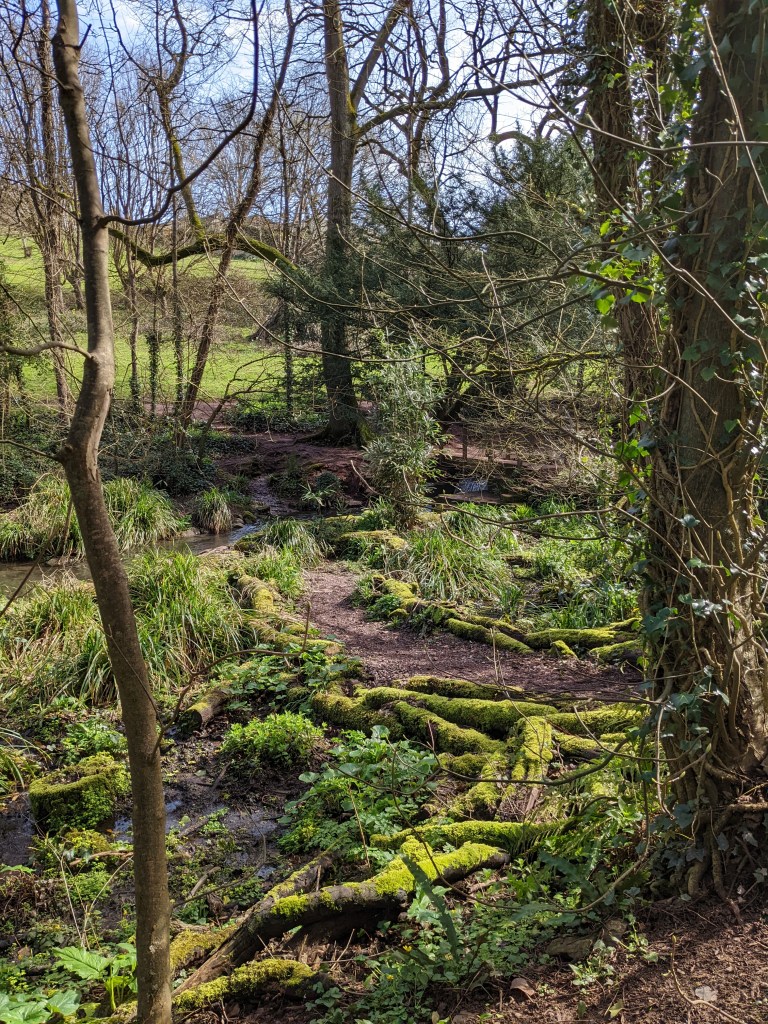
And so began a lovely early Spring walk with bright green moss and foliage surrounded by Elizabethan ruins.
Plymouth was a very significant city in Elizabethan times and this was a very significant house in those times. Many of the illustrious names who visited here are viewed somewhat differently in recent times, as Colonisation and Acquisition are considered at a more granular level.
The Harris family who owned the property were very wealthy and the house has been linked with many myths and legends of lost treasure and hidden assets.
One substantiated story is about the Armada Service. Crafted between 1581 and 1602 from Silver and Gold captured,most likely,from Spanish ships that were raided in the New World. 22 plates, bowls and cups made from plundered precious metals
The family held onto their silver until the English Civil War. 1642-46. At that time the family had a cunning plan to hide their wealth by burying it underground on nearby Dartmoor. Unfortunately not such a cunning plan as after the war nobody could remember the location .
The silver was found in a potato store in 1827 by an agricultural labourer, and after changing hands a few times it is now held in the British Museum. Some other items from this collection have been identified by United States auction houses but the whereabouts of these items are unknown. U.S readers might like to check their basement store rooms. Link below to identify.
So this is what happens near a car park with no obvious purpose. A lovely walk and a few minutes of googling. Some exercise, a story and some moss covered logs. Blogging perfection.
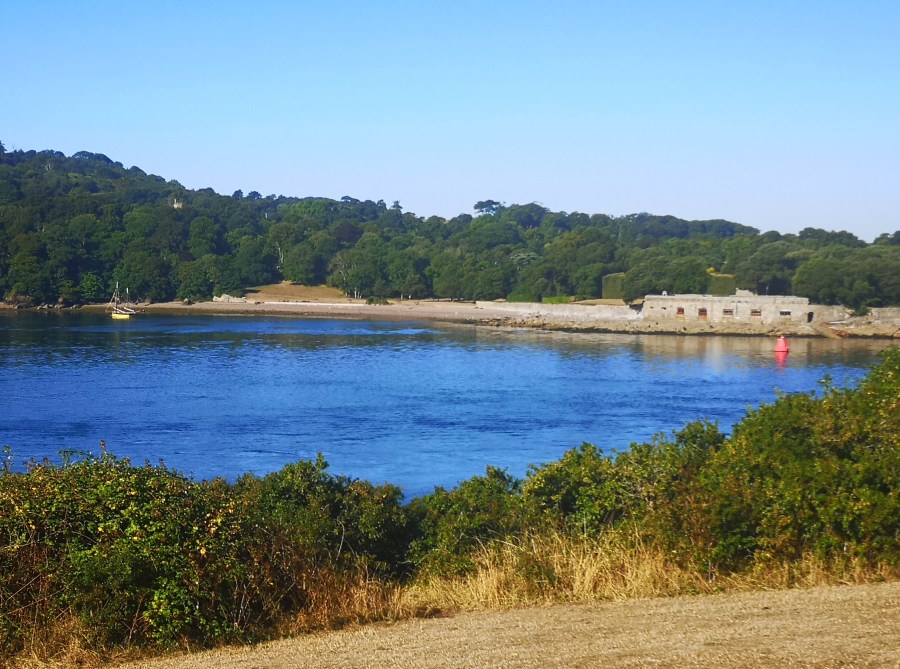
Sometimes I have a nugget of a blog in mind that doesn’t quite have enough substance. The story of Darwin and his Origin of Species came into this category. No disrespect to Darwin is meant but I wanted to express the flavour of his relationship with Plymouth. He was only 22 when he set sail from Plymouth for a two year exploration and survey of the coast of Patagonia and Tierra Del Fuego. He was rich enough to pay the £30 a year cost of the voyage, was making a name for himself as a naturalist and had no responsibilities. The yellow boat in the picture above is moored roughly in the position of the Beagle at Barn Pool.
Darwin arrived in Plymouth in late October and eventually sailed in late December. He described his months in Plymouth as the worst time he had ever experienced. He was able to spend time with many great scientists and engineers of the time and also listen to sermons given by university friends, in many first hand accounts he expresses great pleasure in doing such things. But Plymouth, as the city is now known, had a vibrant night culture which Darwin made no effort to study. The city was too bawdy and licentious for a man who delighted in sermons. Devonport where his lodgings were was a place well used to having young men slightly bored waiting for a boat to sail. Devonport had bars and Theatres and many many ways a man with money could have found stimulation and good times. I suspect he was a prissy young man who would not have know a good time if it had jumped up behind him and said Boo!
The Beagle was eventually ready to sail in late December when the weather had become more favourable. One more thing was set to cause Darwin misery. It was just another thing for him to disapprove of, furthering his judgement of Plymouth as a giant den of iniquity.
On Christmas Day 1831, Darwin went to church, most probably Stoke Damerel, where the guest preacher was a friend from Cambridge University, William Strong Hore of Stonehouse. Hore was at that time Assistant Stipendiary Curate to Saltash; after ordination he became Curate at Stoke Damerel.
Whilst Darwin was at church, the Beagle’s crew got drunk and disorderly. The weather on the 26 December was ideal for sailing, but the crew were either hung over or in irons as a result of their behaviour the day before. At 11am On Monday 27 December 1831, in perfect weather, the Beagle did weigh anchor and set sail. On a friend’s yacht, Darwin caught the ship at 2pm beyond the Breakwater, and so began his epic voyage.*
Nearly 200 years on I can sense the look on his face and the set of his body language as he eventually set sail for South America. Most of us know a Darwin!
* Shaun Standfield 2008 Plymouth History Festival 2022
Desire Paths have always fascinated me. Reading a recent blog from Spitalfields Life, nudged me into writing this blog today.
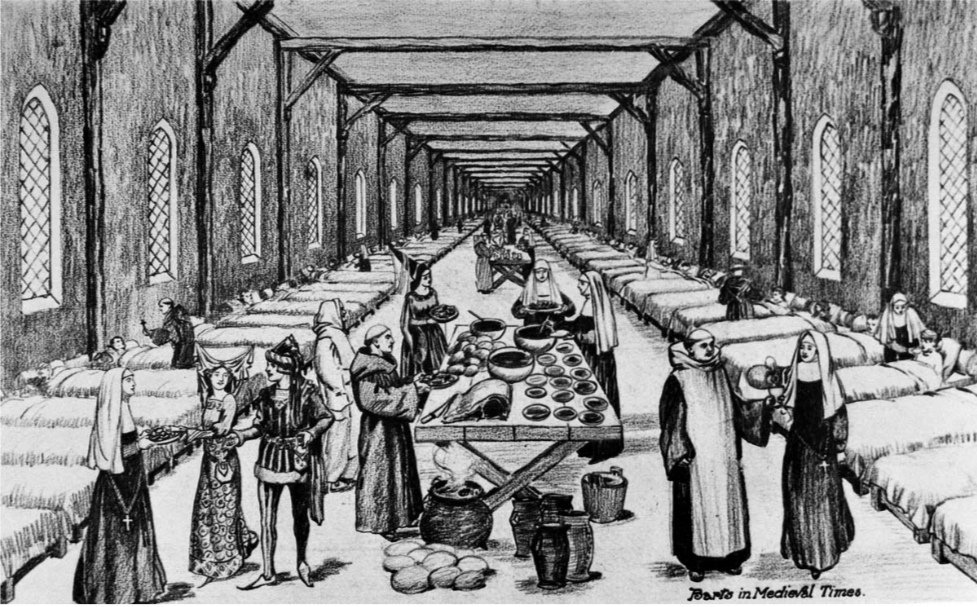
When I was a student at Barts Hospital my chosen Desire Path took 5 minutes off my journey to Moorgate Station. It was an ancient right of way. For nearly a thousand years medics and butchers have shared adjacent plots in the City of London.
My short cut, or desire path, took me from the hospital boundary through slaughter yards, with bloodied water running into open drains. My desire path was almost certainly created by butchers, through history, making their way to and from one of the City gates. Moor Gate, so named because it led out to marshy ground known as Moor Fields. The to and fro on my little cut way was not just medical folk and butchers trying to make a quick access or escape, but, by passing so close to active slaughter yards the route may only have been tolerable for those with minds and stomachs already hardened to the sight snd smells of blood and gore. Butchers sometimes used the path as walking wounded, a quick way in to seek medical attention when sharp knives and cleavers have cut through living human flesh. A cleaver cutting through a femoral artery is a mucky and life or limb threatening event. Butchers, before the days of Health and Safety, often had bits missing, and the butchers of Smithfield were very regular and grateful customers when Barts had a fully functioning A and E. Anyway, I digress this blog is about a coastal desire path with much less to talk about. When I returned to work at Barts in 2013 I was hugely sad, but not entirely surprised, that I could no longer follow my short cut to Moorgate.
A desire path (often referred to as a desire line in transportation planning), also known as a game trail, social trail, fishermen trail, herd path, cow path, elephant path, goat track, pig trail, use trail and bootleg trail, is an unplanned small trail created as a consequence of mechanical erosion caused by human or animal traffic. The path usually represents the shortest or the most easily navigated route between an origin and destination, and the width and severity of its surface erosion are often indicators of the traffic level it receives.Desire paths typically emerge as convenient shortcuts where more deliberately constructed paths take a longer or more circuitous route, have gaps, or are non-existent. Once someone has already treaded out a path through the natural vegetation, subsequent traffics tend to follow that visibly existing route (as it is more convenient than carving out a new path by oneself), and the repeated trampling will further erode away both the remaining groundcover and the soil quality that allows easy revegetation.*
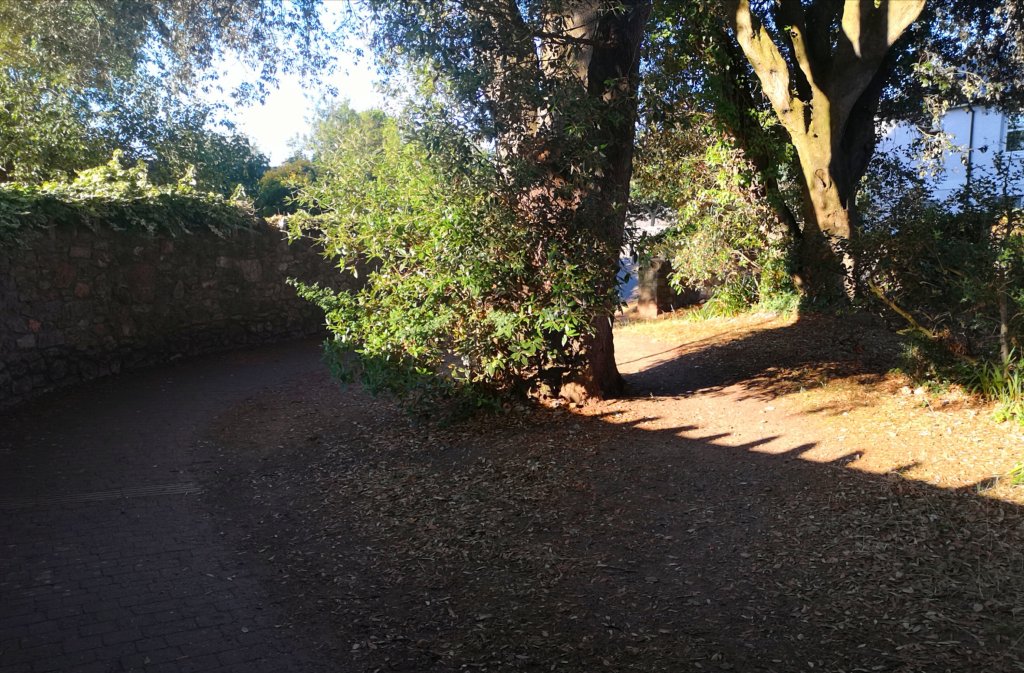
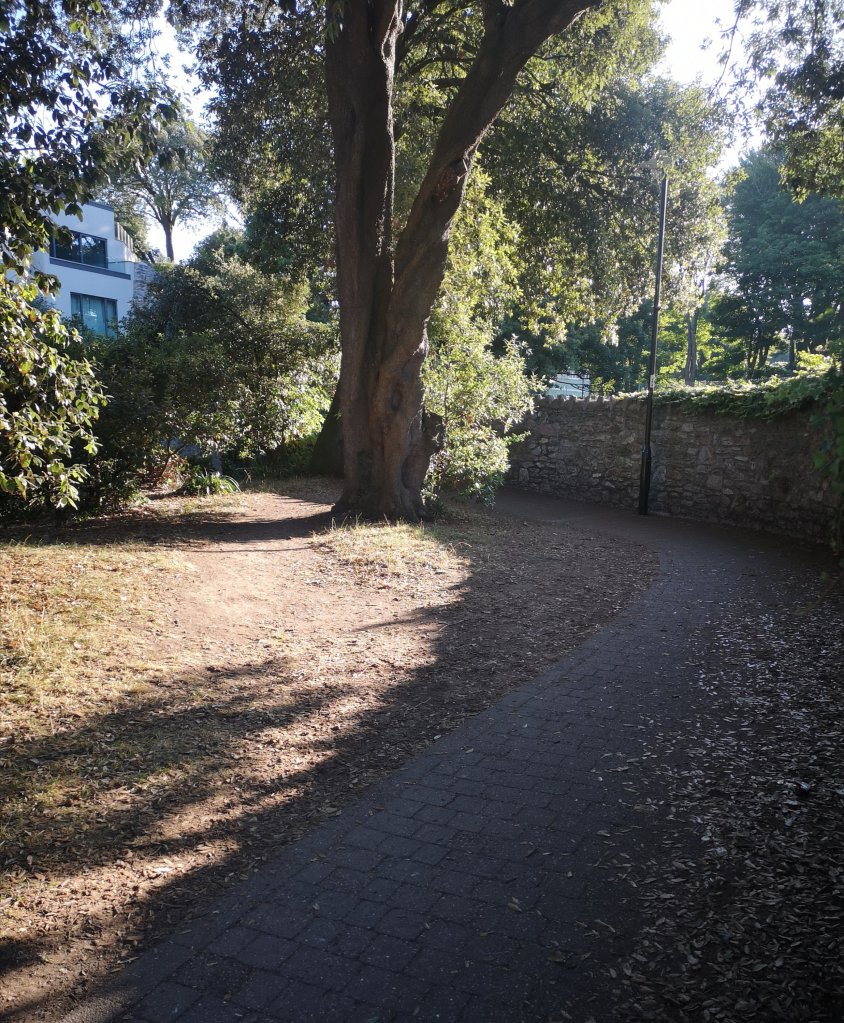
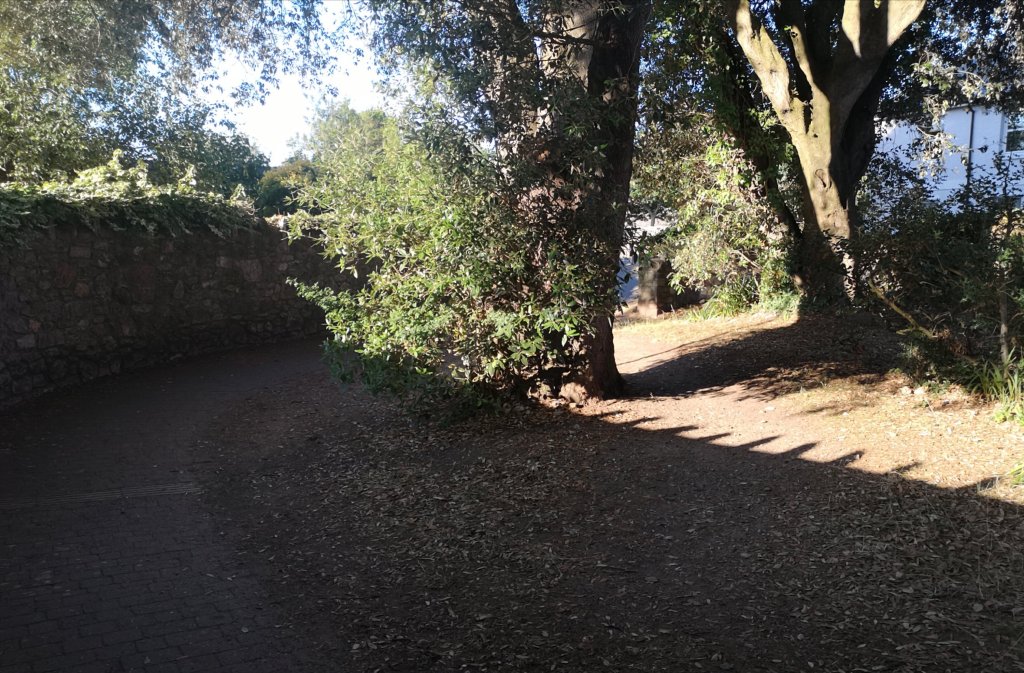
The desire path I walk on most days has none of the history of the Barts desire path. It cuts off only seconds of an already brief walk to the beach . It is the area in sunlight in this picture, the actual, brick path runs close to the wall of Stonehouse Tennis Club. But such is pondering that I only realised today that the South West Coastal Path, that both this Desire, and official, brick path lead to, must be made up entirely of historic desire paths that have been linked together. Unexpected enlightenment on a Wednesday
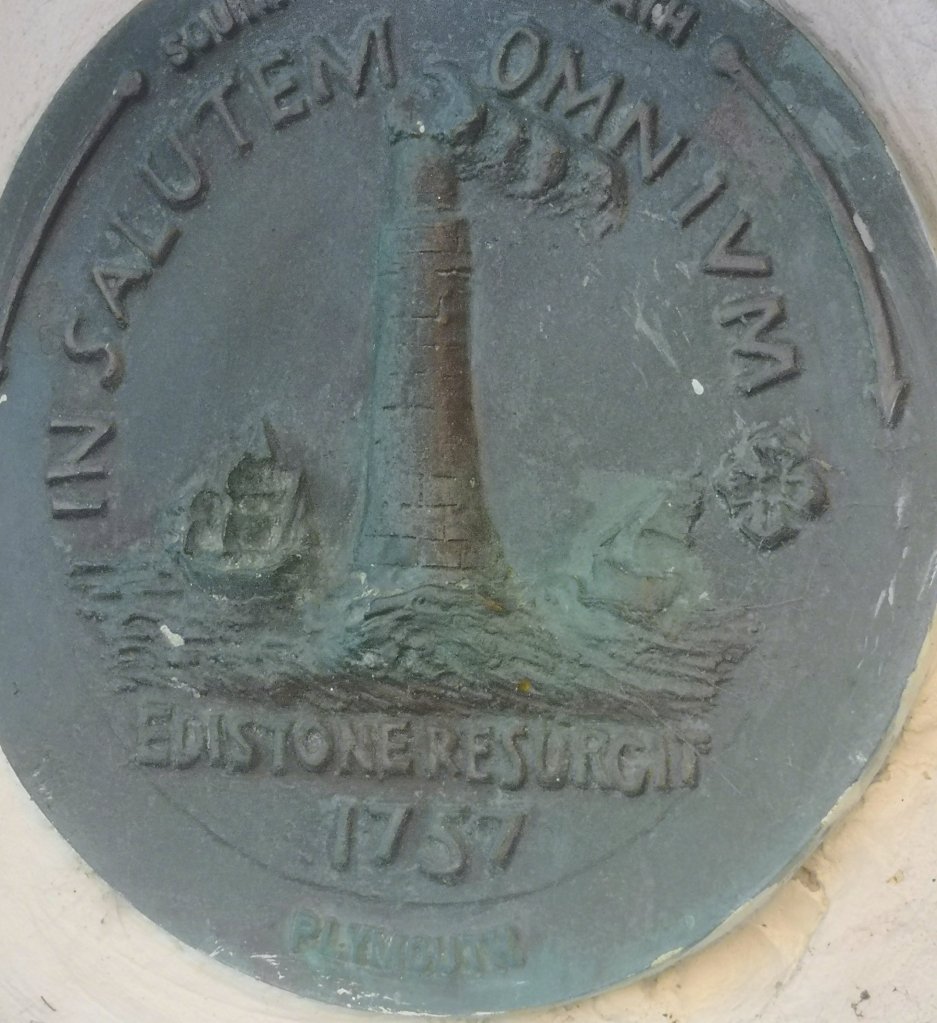
Today I am a rubbish photographer and have managed to cut off the vital words on this plaque. South West Coastal Path are the words I needed but managed not to include in this image.
One of my recent paintings combined with typewriting sums this whole blog up really. Todays in particular but pretty much in general too.
With a four day weekend in hand and still restricted by Pandemic protocols the only thing to do is start the day with a swim. A good number of ‘bobbers’ today and the added bonus of a government funded wave machine.
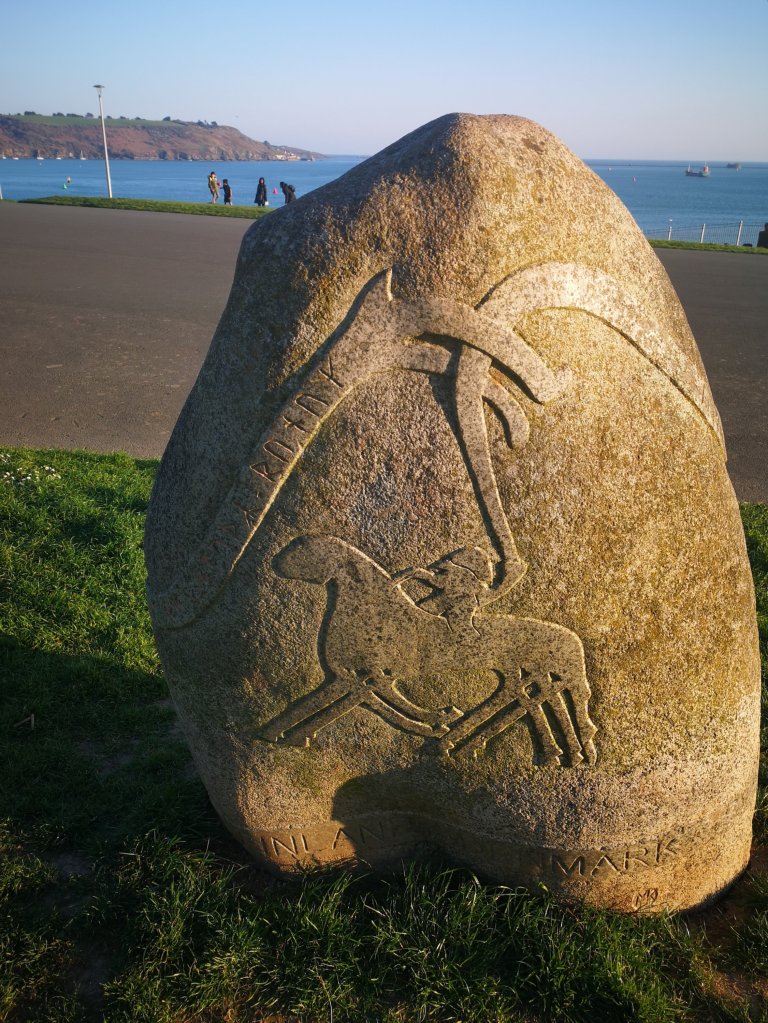
Fast forward to the end of the day when we were walking on the Hoe and we learned a little bit of history. In 997 Viking long boats sailed past our swimming area , presumably making waves, and on up the Tamar for their habitual rape and pillage. Let me just say that if the bobbers had been bobbing in 997 history may have been very different. Ten women in fluorescent hats with luminous buoys might have been all it took to frighten the Vikings off. We would have looked like fearsome Sea Nereids protecting Britannia and may well have become the source of Viking Myths and legends.
But we weren’t there to frighten off the Vikings and history is as it is. Today we found a stone which marks 1000 years since the Vikings invaded.
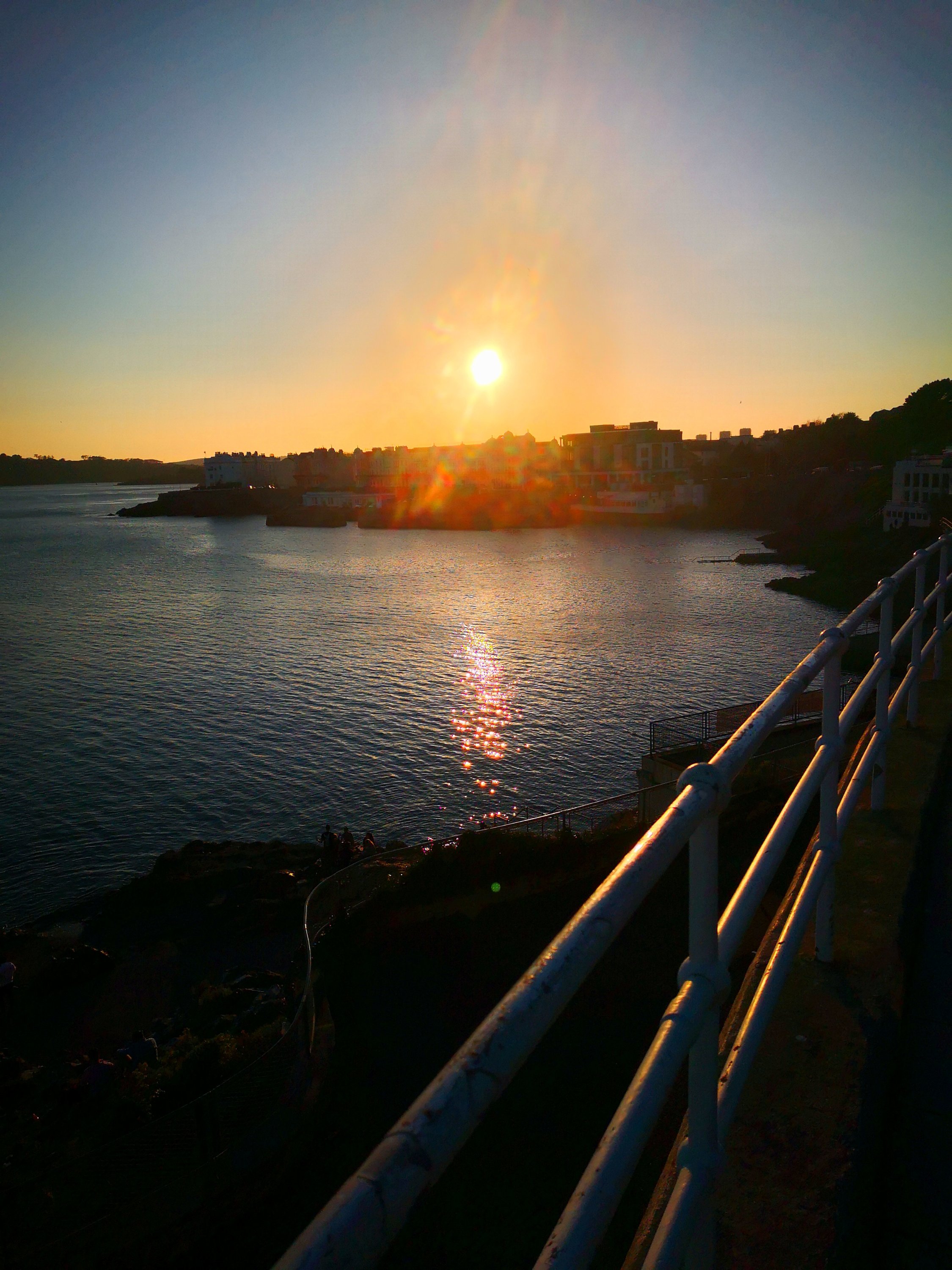
And so the sun sets on another day in a peculiar year.
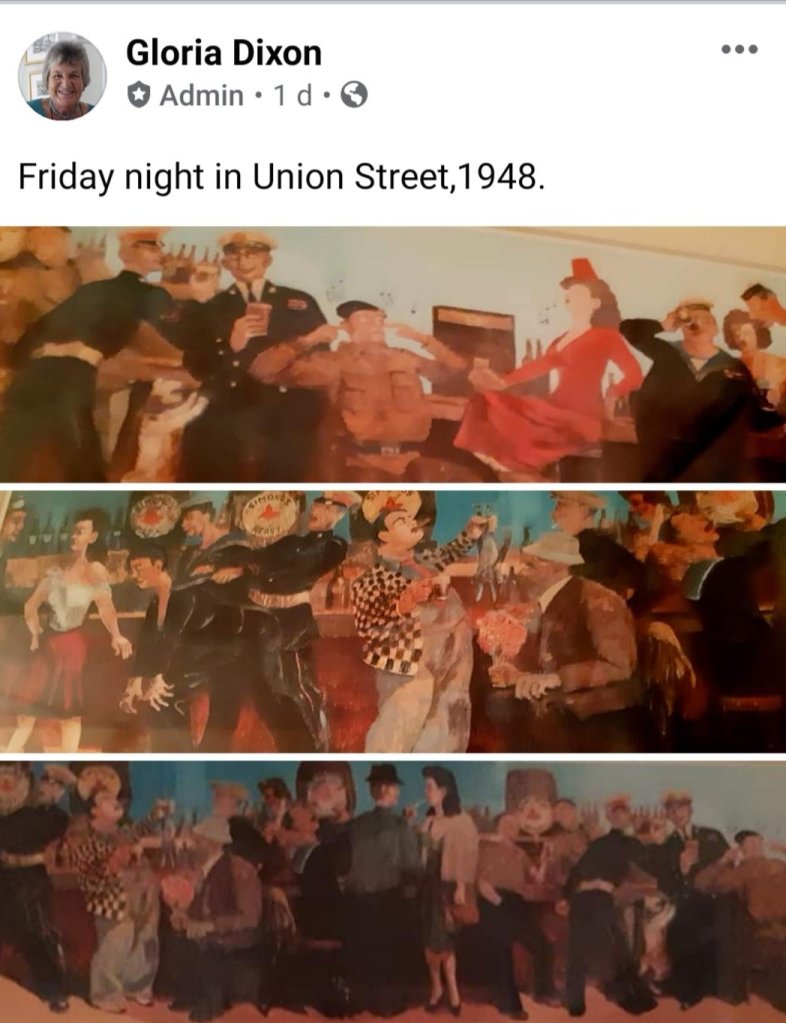
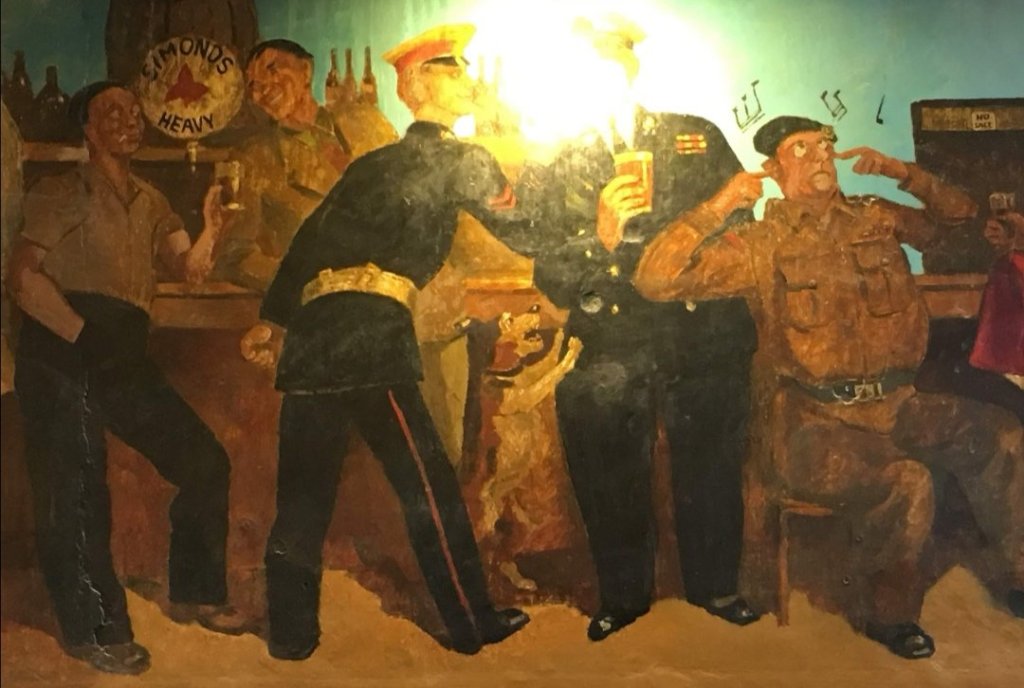
A couple of days ago a Local History group on Facebook published some photographs of a mural that was discovered under layers of wallpaper in a Union Street bar. If you have any interest in Plymouth history this is a great page to follow.
Local History is one of the great strengths of Facebook. Local History Facebook pages are hubs of knowledge that become magnets for new information or insights into a local area. They are the modern version of the Local History shelf at Libraries.
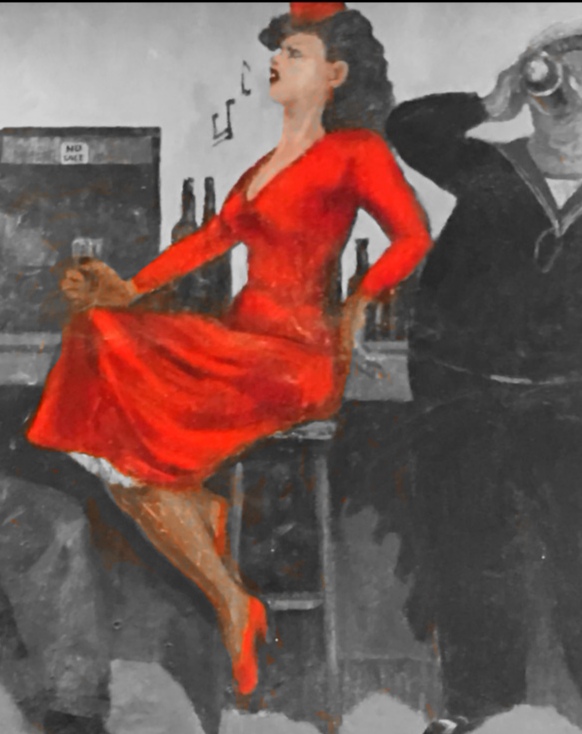
I already had some photographs from the mural , taken during one of Plymouths Art Weekender Festivals. Gloria Dixon who is the administrator of the Facebook page Old Plymouth Society has a much better range of images.
She has written a very good account of the mural on the Old Plymouth Society FB Page, I urge you to visit the page.
The artist, who created the mural, Vincent Bennett took the well- worn path, familiar to many creative Plymothians and moved to London at the age of 20, where he not only painted commercially, but also boxed, to earn a living. It was the boxing that caused him to return to Plymouth just two years later. A head injury forced him to return to his home city in 1932 and he added teaching and drumming to his portfolio of money earning skills. Eighteen years later he painted the mural at what was then called the Sydenham Arms.
The story of Vincent Bennett seems so much more tangible and intriguing than the Plymouth to London story of Joshua Reynolds, another Plymouth man, nearly 200 years earlier. For me it is not only that much of the city he occupied still exists but that his subject matter is much closer to my own life experiences.
A drink in the Clipper, as the Sydenham Arms became, was always an experience, even if I was never as glamourous as the woman in the red dress. My grandfather, a sailor, far from his Essex home would almost certainly have known The Sydenham Arms and enjoyed all that Union Street had to offer.
The mural can be seen in its original location 63, Union Street, Plymouth. Currently the property is a Community Cafe.
























 theoldmortuary.design