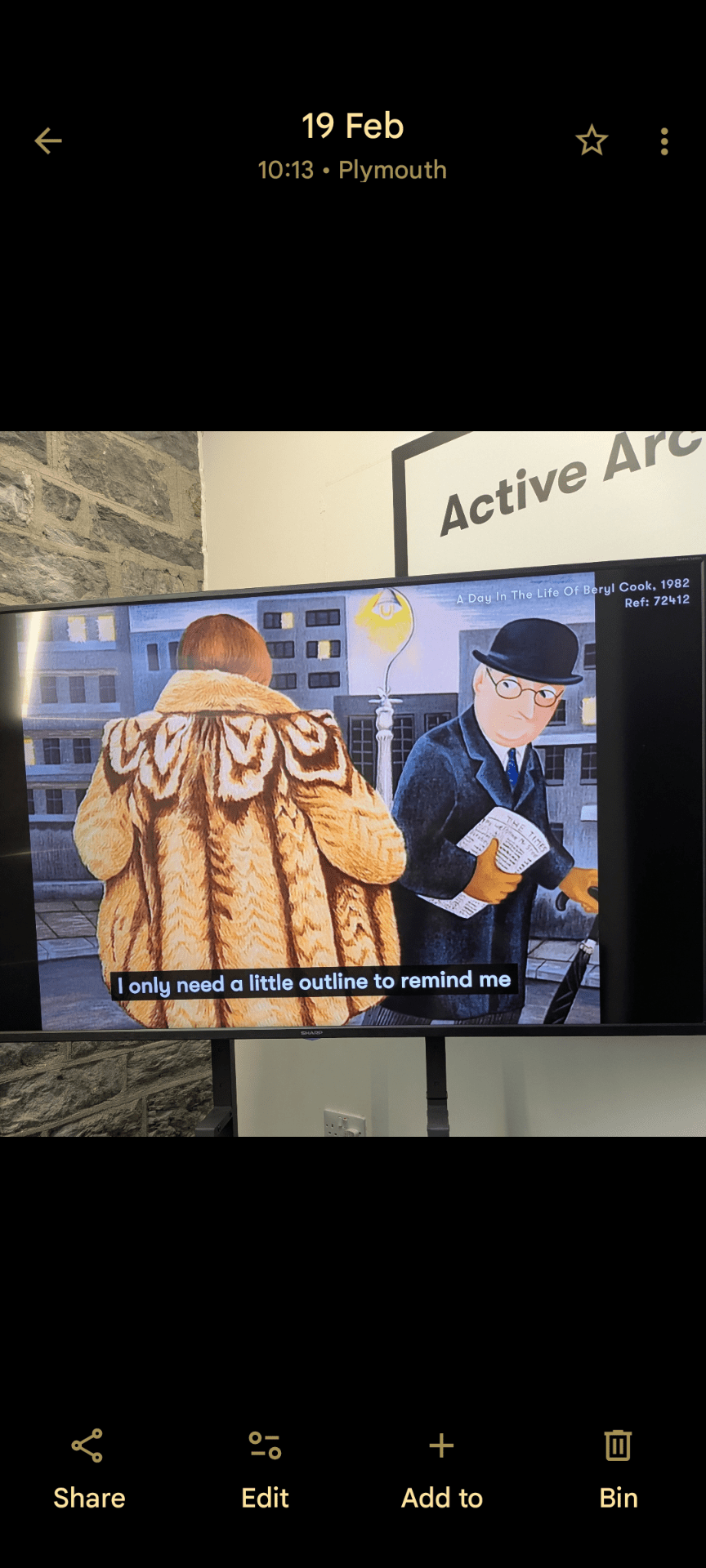
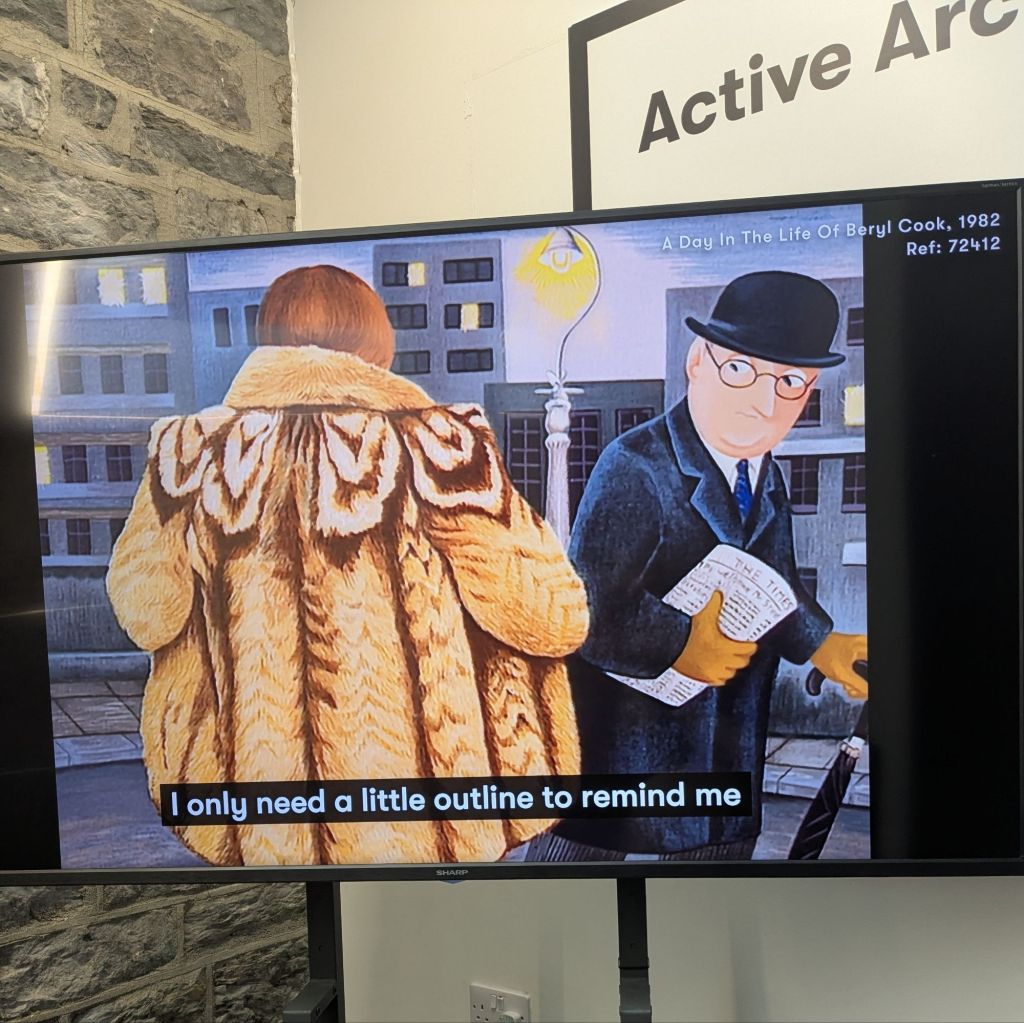
#512 theoldmortuary ponders

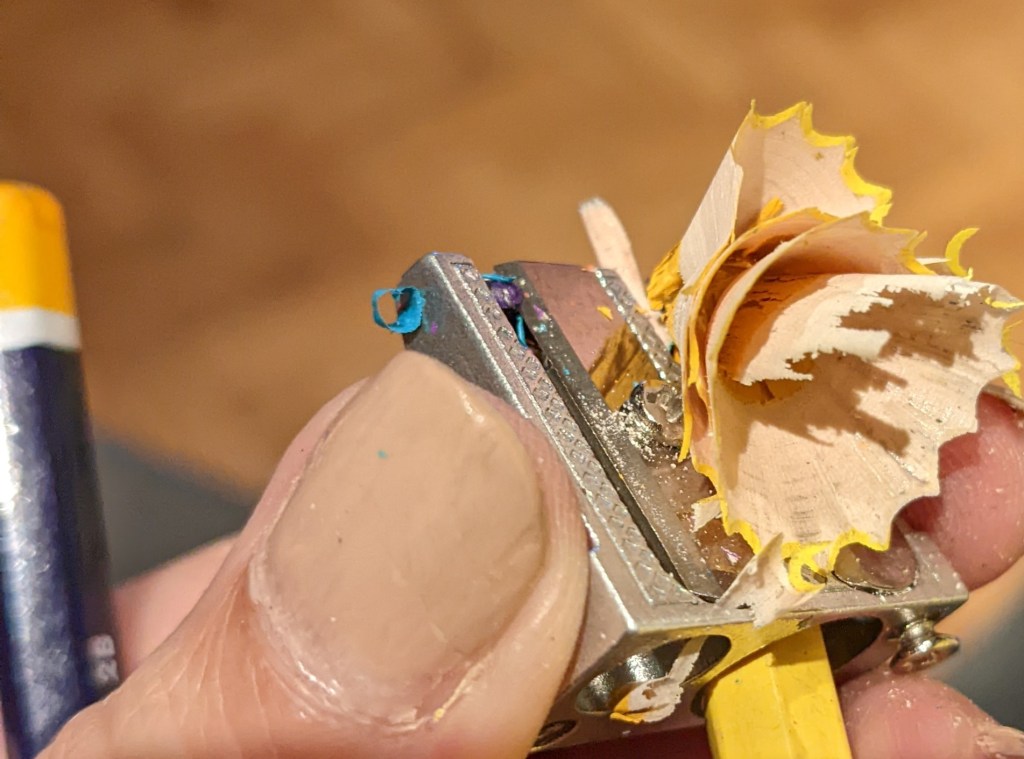
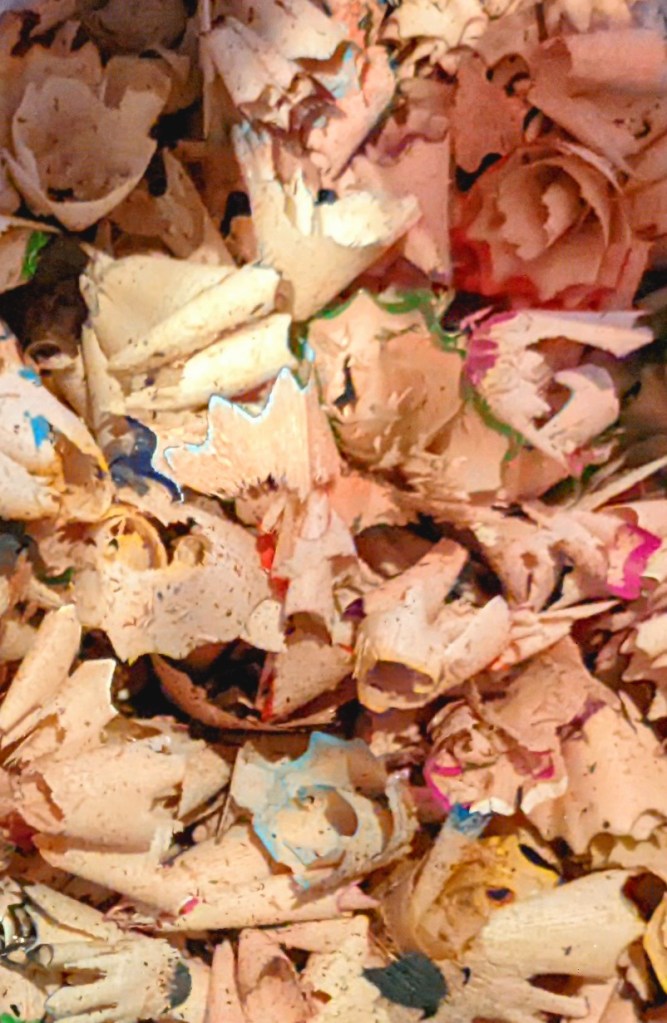
Yesterday colour and procrastination collided. The museum and gallery where I work has an exhibition of sketches and drawings, some 500 years old and some very recent. In between the two galleries is a break- out space where members of the public can sketch and draw with pencils and paper provided. The exhibition has been open a month and there were boxes full of blunt pencils. Pencil sharpening is one of my great pleasures and a bit of a favourite procrastination. It is the perfect dopamine hit, a few quick turns in a pencil sharpener and a blunt grubby thing becomes sharp and clean. With the added bonus of a swirl of wood shaving with a bright edge.

Pencil sharpening has become a solitary pleasure since childhood but yesterday I was reminded of the pleasures of social sharpening.

When I was at primary school queuing for the pencil sharpener was a social activity. Friends were often separated during lessons, to cut down on idle chatter, but if mid-lesson we had a conversation that just had to be had in lesson time we could signal to one another and join the queue for the table mounted pencil sharpener. In one class set up it was also a break from my malodorous desk partner, a boy called Nigel, who lacked any social skills, but thought that at age 9 feeling my legs with his plump sweaty hand was an acceptable use of shared leg space. Imbecile! The sharp point of a metal compass became invaluable. Far more useful than reporting such things, which were caused by my overactive imagination, apparently.

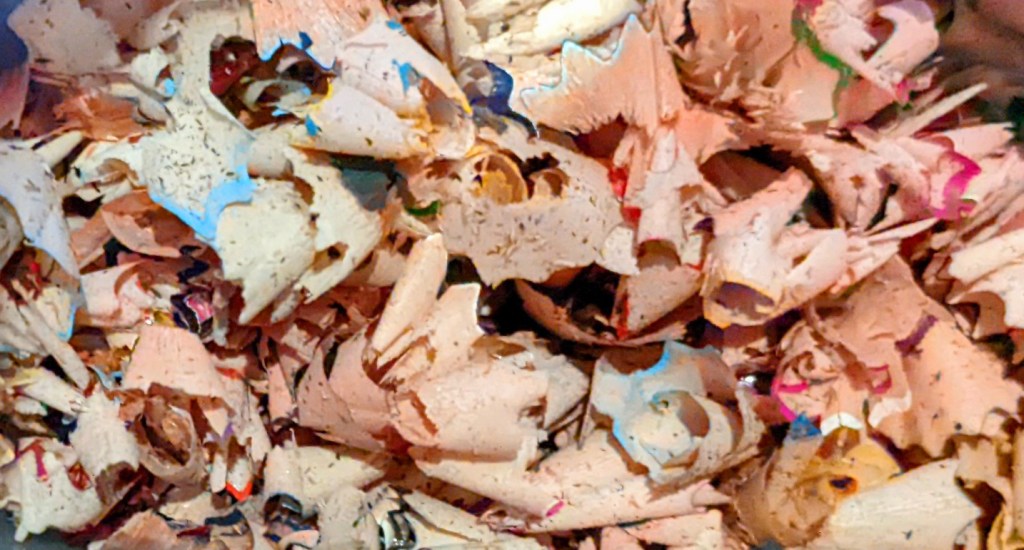
Yesterday 3 of us set about sharpening pencils. As we created a glorious collection of shavings we kept an eye on the galleries and the sketchers but also managed wide ranging conversations covering bell ringing, dentistry and the cultural lives of ninety year olds.

Before I left the pencil shavings I took a moment to run my hand through them. They didn’t have the wonderful oily smell of wood that you would get in a carpenters workshop full of bigger shavings, something drier and a bit musty. I realised yesterday that I have no idea how a pencil is made. If you are similarly in the dark I have shared a link. Thank goodness for YouTube and How Pencils are Made.

And then there is Instagram. https://theoldmortuary.design/2023/03/16/512-theoldmortuary-ponders/

#500 theoldmortuary ponders

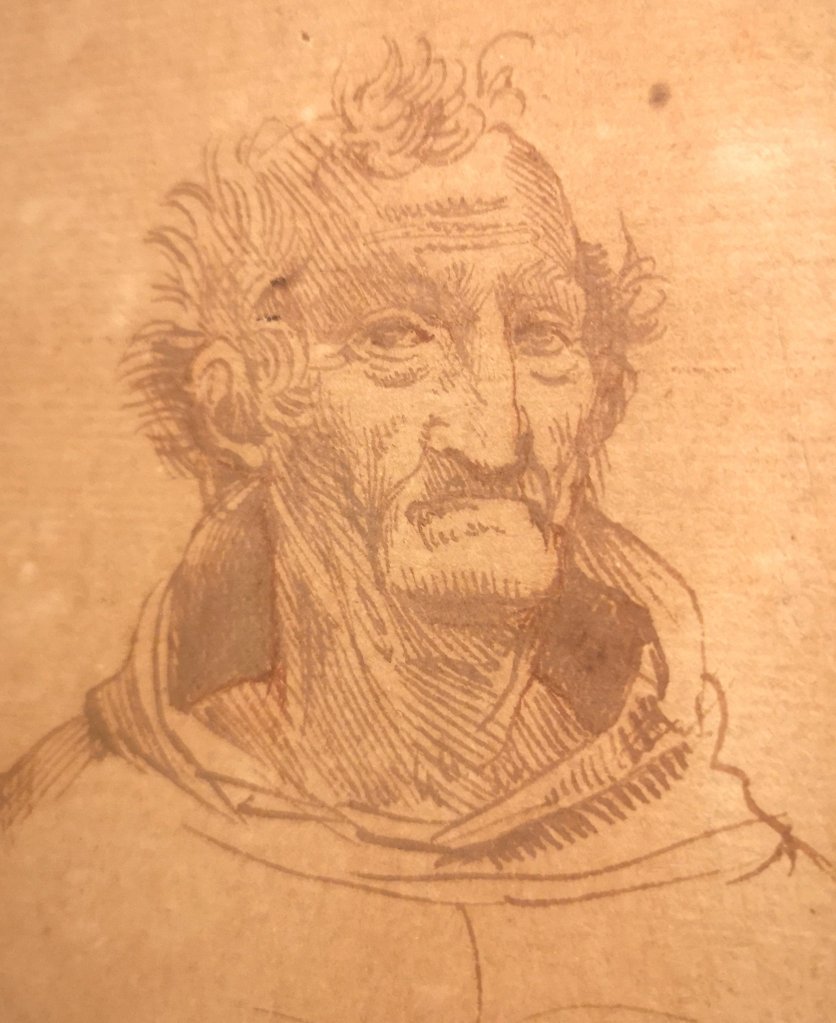
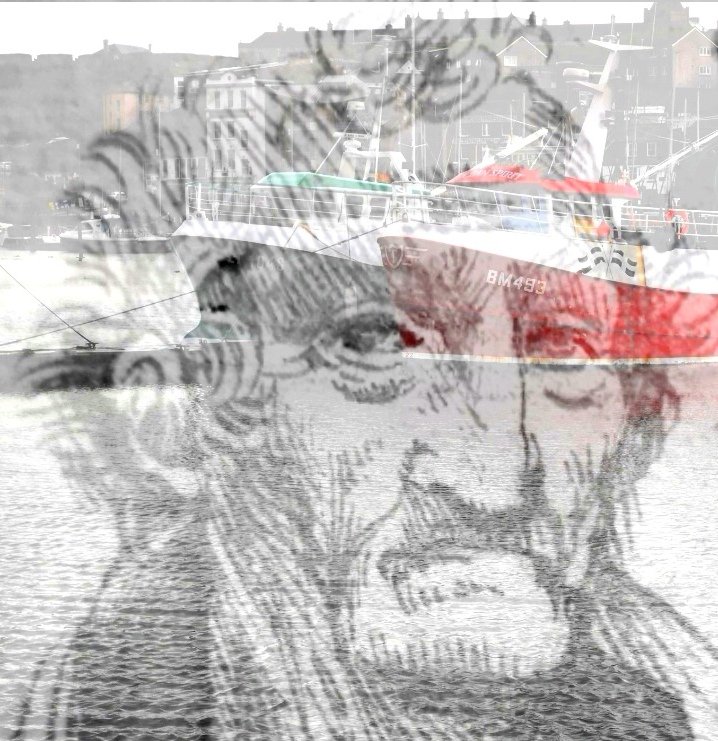
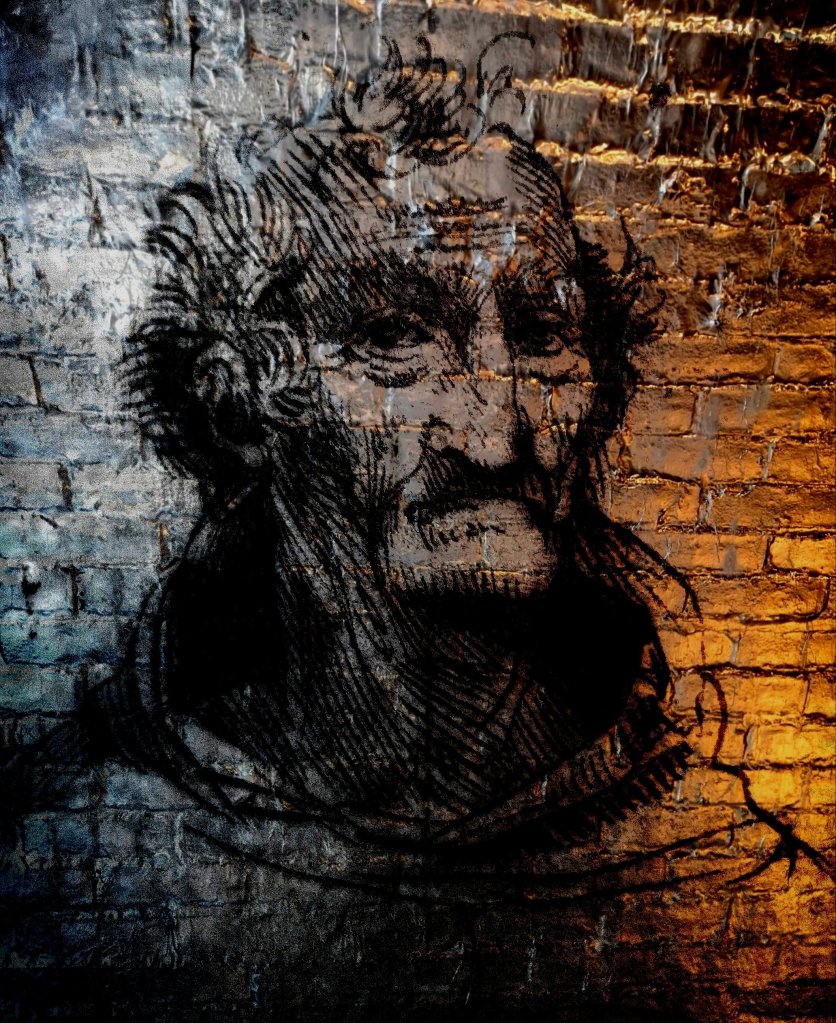
500 blogs in this series. I should perhaps roll out a great big old ponder for such an auspicious number but instead I am rolling out a softer more ponderous ponder. This small sketch caught my eye. A man, or woman in a hoodie is such an iconic image of our times. The subject of this sketch specifically tells a thousand stories. My first though was that he was like any number of men I have met. Aged prematurely by the life they have led. Sinewy necks created by manual work and a mouth sunken by tooth loss. Specifically to Plymouth he looks like a crewman heading into a local pub after a few days and a few decades at sea. Straight off the boat he has not yet scrubbed up for socialising. His first pint and his crew mates don’t care what he looks like.

Crew could well be printed on the back of this man’s Hoodie. A roadie from countless world tours with rock bands. The younger roadies leap and swing from rigs and stages but this guy knows where everything goes. He knows where to get the drugs in every world city, legal and illegal, and has seen two or three generations of groupies anxious to make out with the band and him if it gets them closer.

Every city has men like this, lost against the brickwork of our streets. Lives lived but in this moment anonymous and passed by.

But who is this man in a Hoodie?

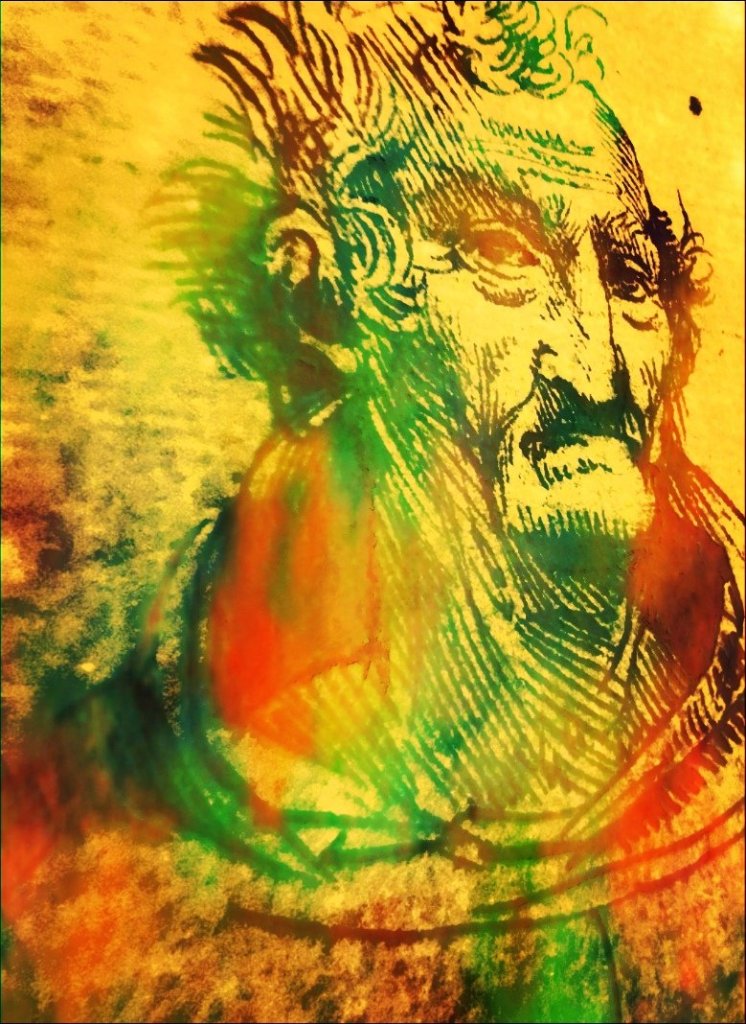
He is a 15th Century Monk and the sketch is attributed to Leonardo Da Vinci. 1452-1519 A simple sketch, so many stories to be imagined. A man we see nearly every day. Somewhere. And for the 500, this man is a little over 500 years old.

©The Box

#483 theoldmortuary ponders

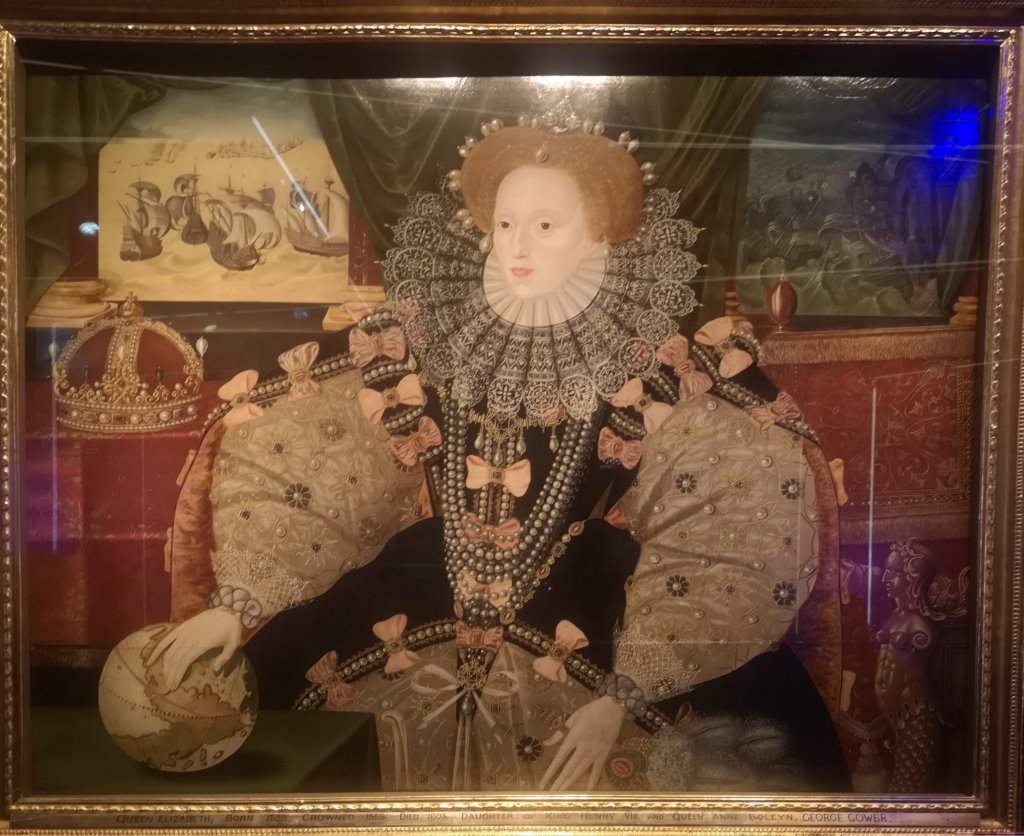
It is not everyday that I turn up to work looking a little like a queen. One of the 3 Armada portraits of Elizabeth I has arrived at the Museum and Gallery where I work. A painting that has stared out of a million history books. The iconic image of a Tudor Queen that is both familiar and yet never actually seen before. Sartorial comparisons may take a stretch of the imagination but to aid the process I took up a queenly pose while working.

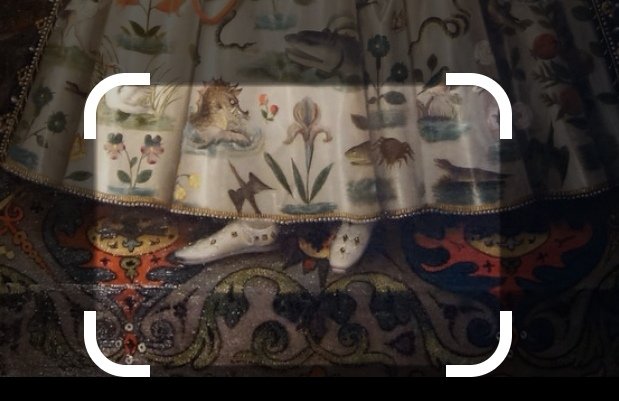
While the Queen holds a globe to show how well Colonising was going, I am close a Barbara Hepworth sculpture because it was the only round thing available. In the Armada Portrait we do not see Elizabeth’s shoes but in a painting from a similar time I found her feet.

Tiny Elizabeth feet in flat shoes.
Bigger feet in flat shoes of a simple design not too dissimilar from Tudor shoes.

Elizabeth and I were both wearing predominantly black garments but with peach ribbons and statement necklaces.

Hers were statements of wealth, mine are the opposite. The Lanyard is a modern emblem of employment. My necklace is home made from recycled beads. The thing they have in common is that both my lanyard and plastic beads and Elizabeth’s pearls and silk ribbons are made from traded goods, mine possibly more ethically traded than hers. Which brings us to the backgrounds of both our pictures. In Elizabeth’s picture there are painted scenes of Francis Drakes victory over the Spanish. In my picture the background is filled with objects from the permanent collection of The Box, Plymouth. Without the British victory the world and this wall of acquisitions would look very different today. Below is a link to an explanation of the Armada events

https://www.rmg.co.uk/stories/topics/spanish-armada-history-causes-timeline

Strange how far Pondering over peach ribbons and beads can take me. Coincidences can be a wonderful thing.

#469 theoldmortuary ponders

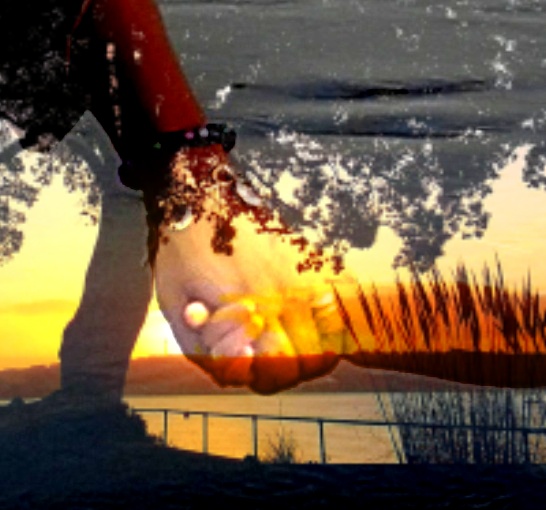
Britain is in the grip of industrial action. Yesterday it was the turn of teaching staff to protest about their pay and conditions. This meant that many schools in Plymouth were closed and families had to find care for their children in school hours. This hugely changed the weekday demographic of the visitors to the museum where I work. The galleries were buzzing with children and their grandparents filling their impromptu day of care. One grandad in his mid- sixties also had his elderly mum with him. As the grandchildren skipped about from gallery to gallery. The man and his mum held hands as they slowly made their way around the older areas of the building. Clearly reminiscing about visits they had made 60 years ago, when the act of holding hands between a mum and her child happened more often and for different reasons.

#312 theoldmortuary ponders

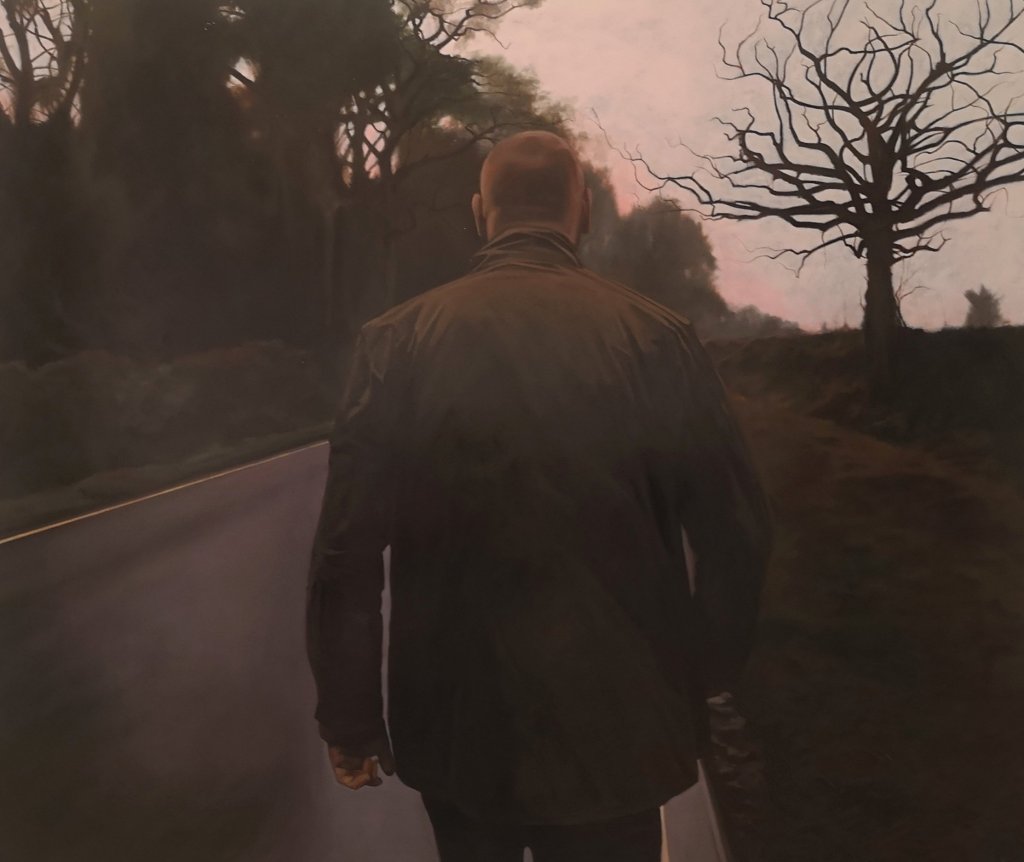
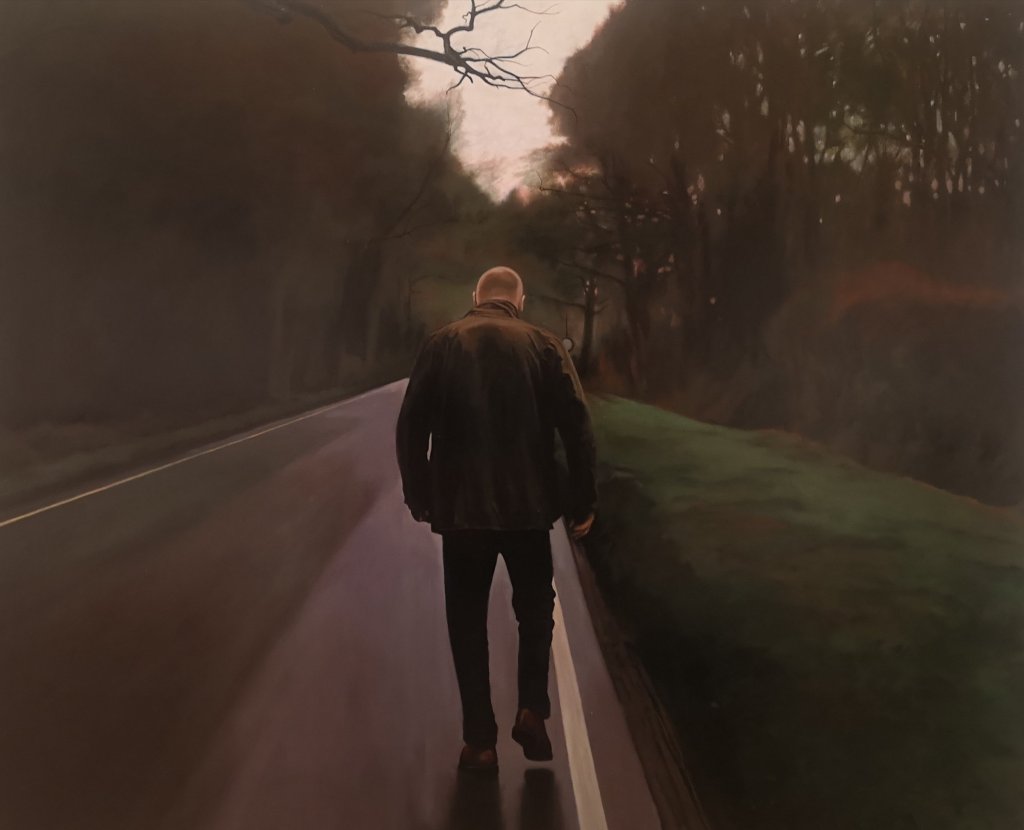
So long George Shaw. I have loved every minute of my time in the two galleries holding the works of George Shaw at The Box in Plymouth.

The exhibition leaves the Box at the beginning of September, but I took my leave of the exhibition yesterday.  It is with a heavy heart that I will never again have that first thing in the morning experience of smelling George’s Humbrol Enamel Paints, as the galleries are opened up. No more sessions of choosing one picture and really concentrating on it to enjoy every detail. All this wallowing in frequent visits to the same exhibitions is a new luxury for me. 50 or so years of visiting exhibitions once or twice, occasionally, more frequently was my previous experience. But now I work in a gallery/exhibition I spend many sessions submerged in exhibitions or galleries full of the work of artists or makers. This could be my shangri-la but I don’t get to choose. Sometimes I spend many hours in galleries that contain art or artifacts that I can find very little connection with. I suspect the sessions with work or a subject that I don’t much like are character building and often, over time, I find something to like or even love. But I will miss your work George Shaw. Thanks for sharing so much that was so deeply personal.

https://www.theboxplymouth.com/events/exhibitions/george-shaw-the-local

#261 theoldmortuary ponders

©Jenny Tsang

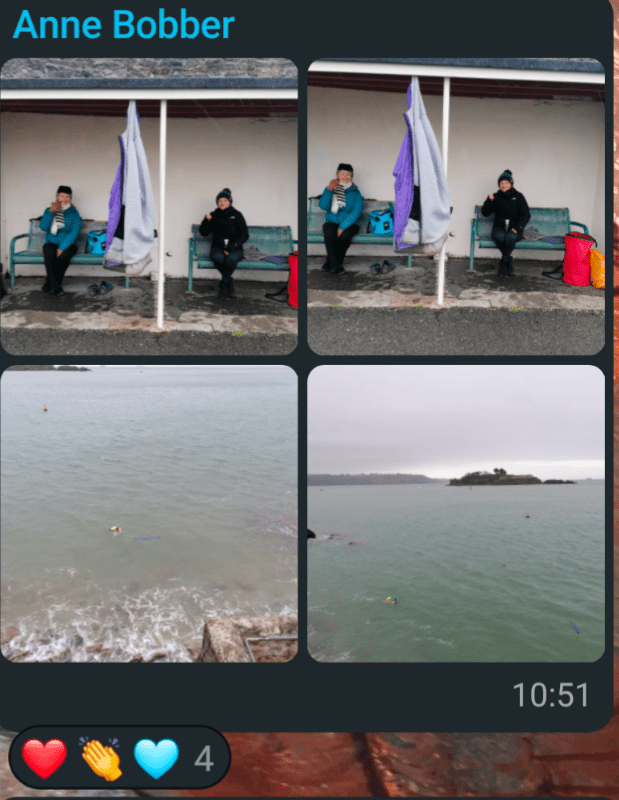
Spring tides and slightly warmer waters have brought a little zing to coastal sea swimming.
Kim and I had a Sunday night swim and she returned to the beach with the sensation of a stinging nettle encounter on one arm, neither of us had seen any jellyfish but that seemed the most likely cause of her discomfort.

Yesterday I was working in The Box and was having a natter with a colleague. We were talking about our weekends and were surprised to realise that while I was in the water on Sunday she was basking, like a reptile in the sun, on a boat moored not far from where Kim and I were swimming.

We were not even in the Natural History department when she flashed me the picture of the Compass Jelly Fish she had seen on her return to land. The Sunday mystery sensation explained…

©Jenny Tsang

#254 theoldmortuary ponders

Two new exhibitions at The Box yesterday had me pondering. The exhibitions themselves couldn’t be more different and yet they are both about a sense of place and our place in places

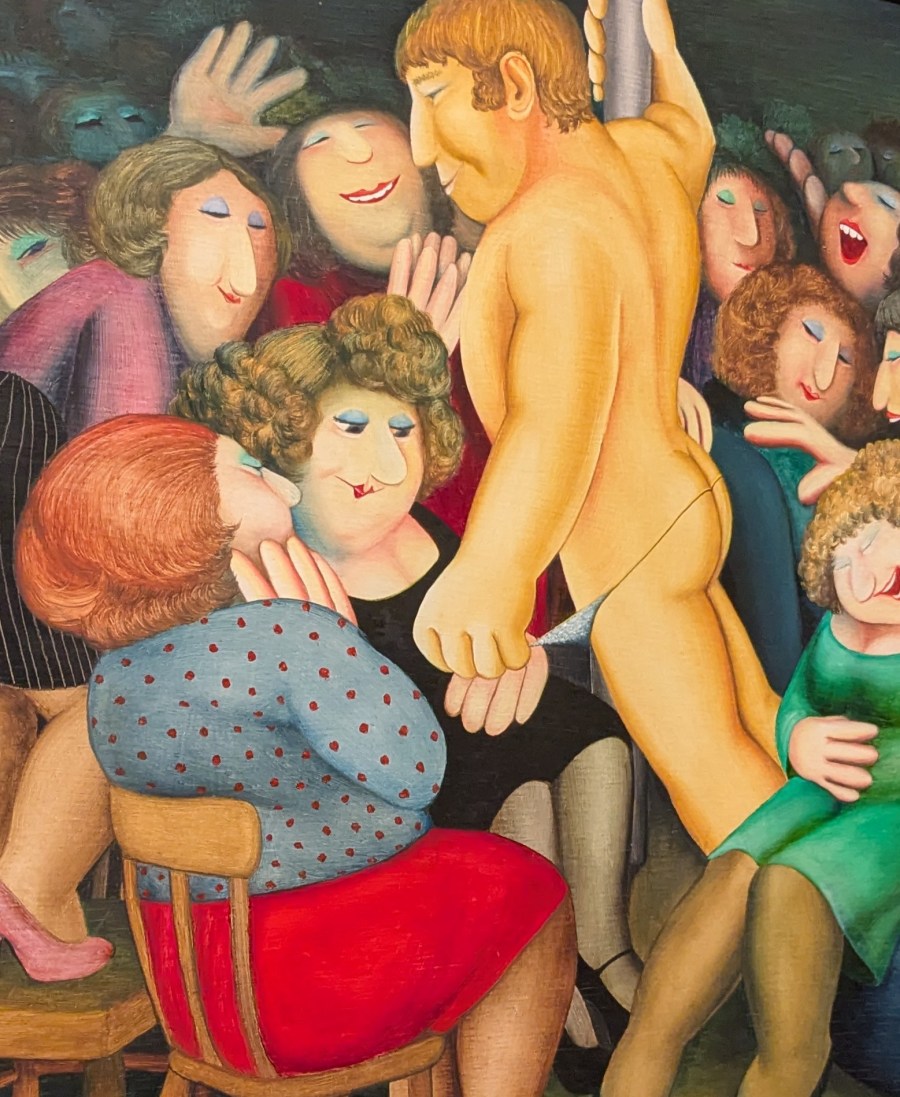
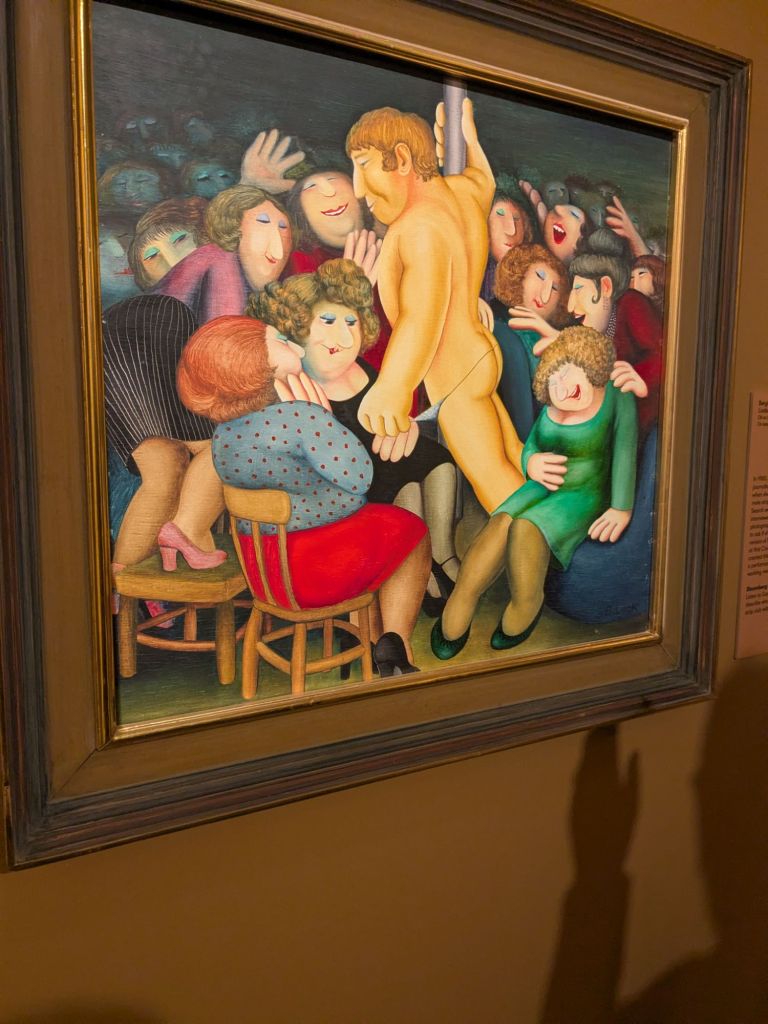
Because the Night Belongs to Us, is an exhibition about Plymouths changing nightlife. George Shaws, George Shaw is about one mans relationship with his home.

Goodness me they made me think and for anyone local to Plymouth I would recommend a visit over the summer.

George Shaw paints landscapes in Humbrol Enamel Paint. The smell in the galleries is soft and curiously nostalgic. The paintings are intimate and sometimes painfully similar to my own life experience.  Because the Night is similarly evocative, dark  and warm coloured, neon lit with snatches of music both familiar and unknown. The only thing missing in this exhibition of the underbelly of a city is sticky carpet and the smells.

Because The Night Belongs To Us. The Box

I am not from Plymouth or Coventry, the two cities that are the subject of these exhibitions but I am a wandering citizen of the worlds they represent.

George Shaw paints a council estate and the council house in which he grew up. I’ve never lived on a council estate but like many people I am deeply familiar with their architecture and the proportions and landscaping of Social housing. His painting could easily be of the corner of North East Essex, where I grew up.

©George Shaw. The Box

George Shaws painting of a tree ‘New Romantic’ could be the tree in my home village of Gosfield, which was also a serial victim of vandalism or in a different mindset, embellishments.

©George Shaw. The Box

In my village, during the seventies, and quite possibly in George’s tree zone it was relatively common to find old porn mags and beer cans in the undergrowth, curious treasure for children to find, we were amused more than harmed by it. Such things were, of course, the night life of these little patches of woodland.

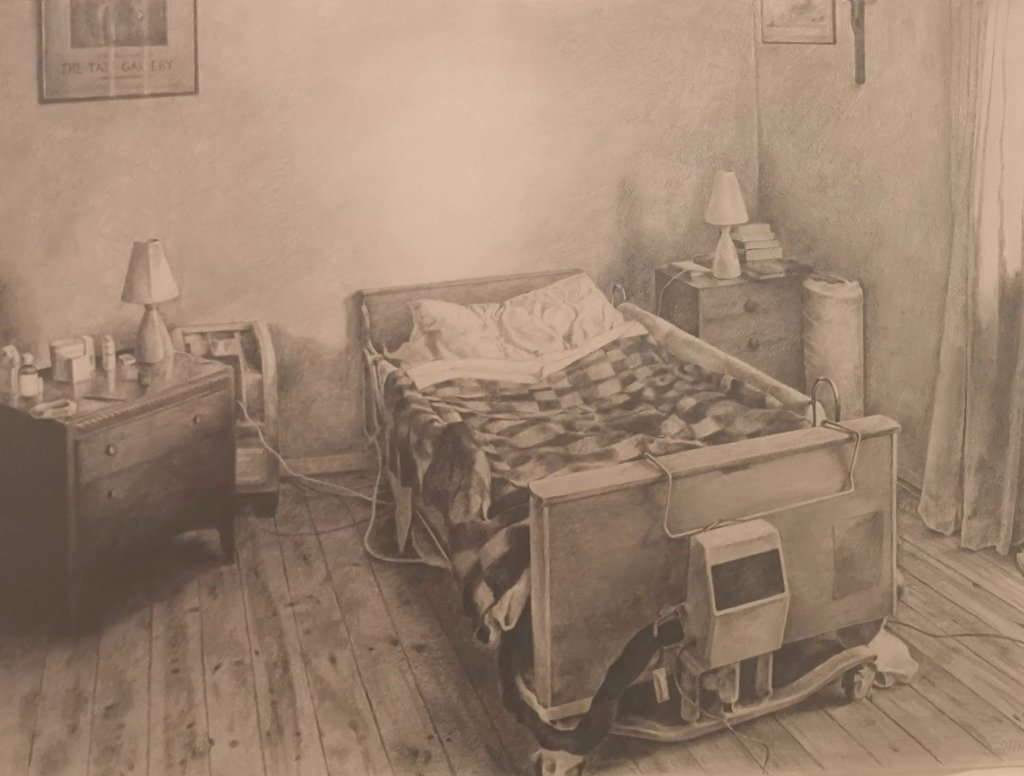
Again finding a common experience in someone elses life. George depicts, in a series of drawings his childhood home emptied following the death of his last parent. The heartbreaking emptiness after the forensic clearing that most of us will have to go through. The last time you will ever see that, oh so familiar, back door of your childhood and or adulthood. The door that launched you into the world.

The back door indeed that you crept through after venturing into your version of Nightife.

A fab day working at The Box, thinking my own thoughts and sharing other peoples experiences. What better way to spend a Wednesday.

#183 theoldmortuary ponders

Yesterday was a strange one. I had arrived at work without my phone. Routines revolve around using my phone to photograph the days work rota and our little team keep contact and change plans using our phones. For me it is also my watch and camera. Photos taken at the museum also regularly create a blog. There are always moments that would make a good photo, but armed with only a pen and scraps of paper I discovered I could capture moments that I would never photograph, by making tiny, fast sketches.

The sun suddenly breaking through cloud and a fused glass window. Throwing light onto a white wall and floor.

Two girls, dressed as butterflies, arrive to visit the Natural History exhibition.

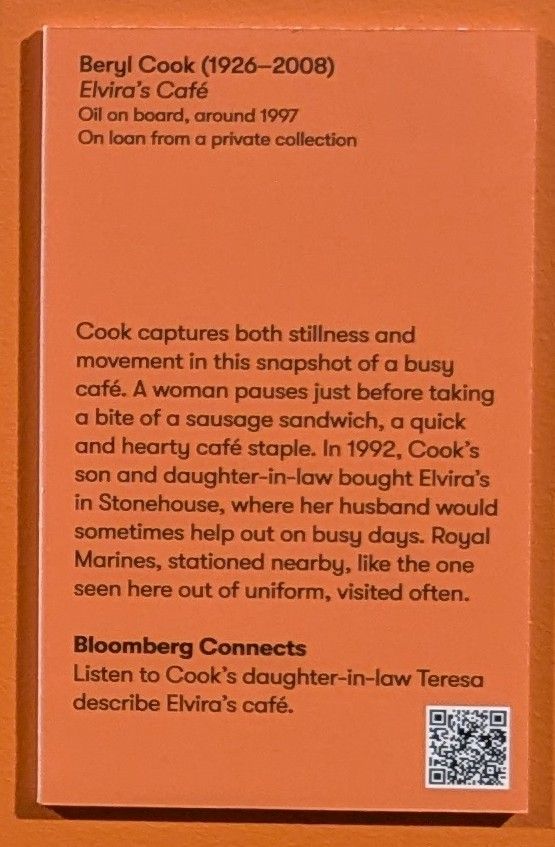
A Royal Marine Veteran steadies himself on a Barbara Hepworth sculpture after leaving a film dedicated to the 40th anniversary of the Falkland War.

Sketches are almost more observational than a photograph, by taking away the reality something is gained not lost. The last two I would never dream of taking a photo, and the last one I should certainly have taken the time more officiously and reminded the gentleman not to touch the exhibit. I was very aware, in the moment, that I had no idea what was going through his head, and that the cold marble was giving him comfort.

This last one slightly gives me the chills…

#139 theoldmortuary ponders

Today was my last shift at The Box being a room steward for the Songlines Exhibition. There are still 4 more days to visit, for those of you who live locally, as the exhibition actually finishes on Sunday. Then all these wonderful paintings will be crated up for their journey to Berlin. I’ve pondered a good bit on what to write about this exhibition. Not feeling quite able to live up to the words of many very knowledgeable art critics or indeed the wise words of Dame Mary Beard, I’ve decided just to give my thumbnail response.

Songlines is a cross cultural tale, both ancient and modern, of womens care and responsibility to one another when faced with predatory male behaviour. It is a #metoo story handed down for thousands of years, woman to woman. The villain of these stories is a bad bad man. Songlines as presented here skims on some of the brutality and the accompanying texts are lighter in mood than the true depravity of the situations the women in the stories endured. All of the exhibition can be viewed by adults and children and enjoyed simply for the artwork, with or without,an age appropriate understanding of the story. But viewing all the paintings ,videos, and 3d sculptures leaves no one in any doubt of the way these stories unfold and that there will be no happy ending. For all that this collection of Australian indigenous art is a wonderful blast of colour and form, there is enough to keep most people occupied and interested for a whole day with appropriate rest and nattering stops. Throughout the exhibition the visitor is kept in touch with the artists who created the work and the portion of the exhibition which is held in the University gallery recreates the art hubs where these works were created.

Yesterday, among the hundreds of visitors, I pondered which piece of art I would miss most and came up with two choices that could easily be acommodated in my own home were I to become an International art thief. I don’t actually have the wall space for my favourite paintings.

Shape shifting vases.
Poker work Coolamon

Since I have zero talent for crime, no theft occured.

#12 theoldmortuary ponders

© Songlines The Box. The Seven Sisters.

My Wednesdays will be a real bright spot in the long,dark, drag of a British winter. Songlines a major International exhibition of the art of Australian First Nations People has opened today, Thursday, at The Box in Plymouth where I work. Yesterday was training and orientation day, like many such days in any subject I came away disorientated and aware of how little I know about the subject being taught, in this case non- western art. If those were my only thoughts on this wonderful exhibition that would be quite enough to deal with, but Songlines is not that simple. The subject matter of Songlines is both Ancient and Modern and is a thorny old subject to get my head around.

The heroines and positive energy of the Songlines in this exhibition are the seven sisters who use guile, magic and determination to protect themselves from a dangerous sexual predator who is named Wati Nyiru.

Shape Shifting and long distance travel are two of the methods used by the sisters to protect themselves. In the picture above, the seven sisters are expressed as highly decorated ceramic vases. Wati Nyiru is the malevolent vase lurking in the corner.

That is the limit of my day one understanding that I have the confidence to write down. I am in luck though. Such is the significance of this Exhibition, the BBC has made a T.V programme about it with Mary Beard . A Professor of Classics at Cambridge University, I have every confidence that Mary will shine a bright torch on this exhibition and succinctly explain all the nuances of these stories that it would take me forever to work out.

I have a date with her on Friday evening to watch her programme, Inside Culture. To be fair I often watch her either on a Friday or on catch up but never usually with the concentration that I will give this weeks programme.