I am very lucky, one of my responsibilities within an art group is to manage the groups social media output. Part of that role is to keep an eye on the groups Instagram page. Another friend does the same for Facebook. During the Pandemic, Social Media, Zoom Meetings, a Newsletter and a fabulous new website have been the groups only way of keeping in touch and sharing their creative outputs with members and the wider community. In normal times there would be Workshops, Drawing Days, Exhibitions and Open Studio events.
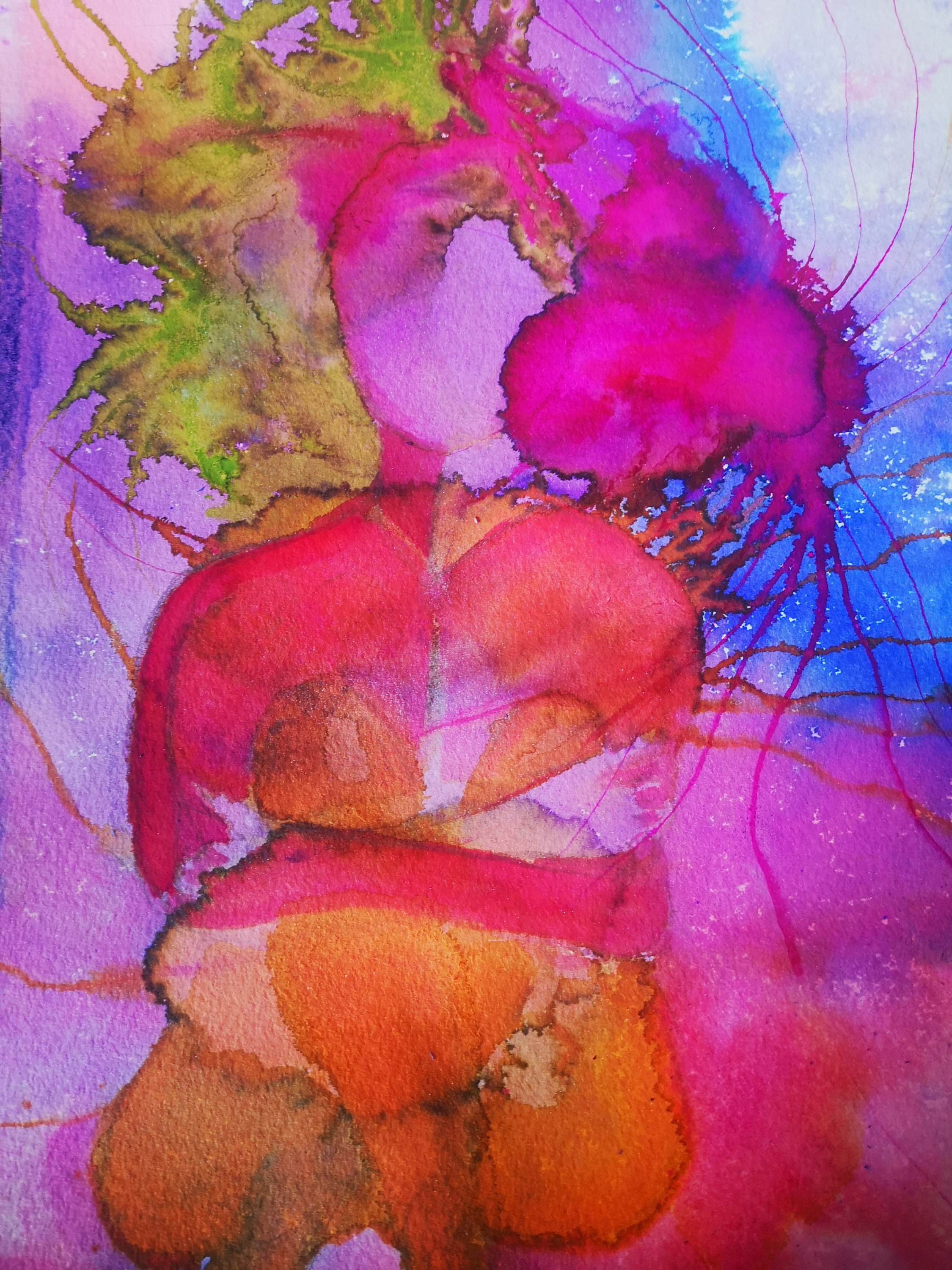
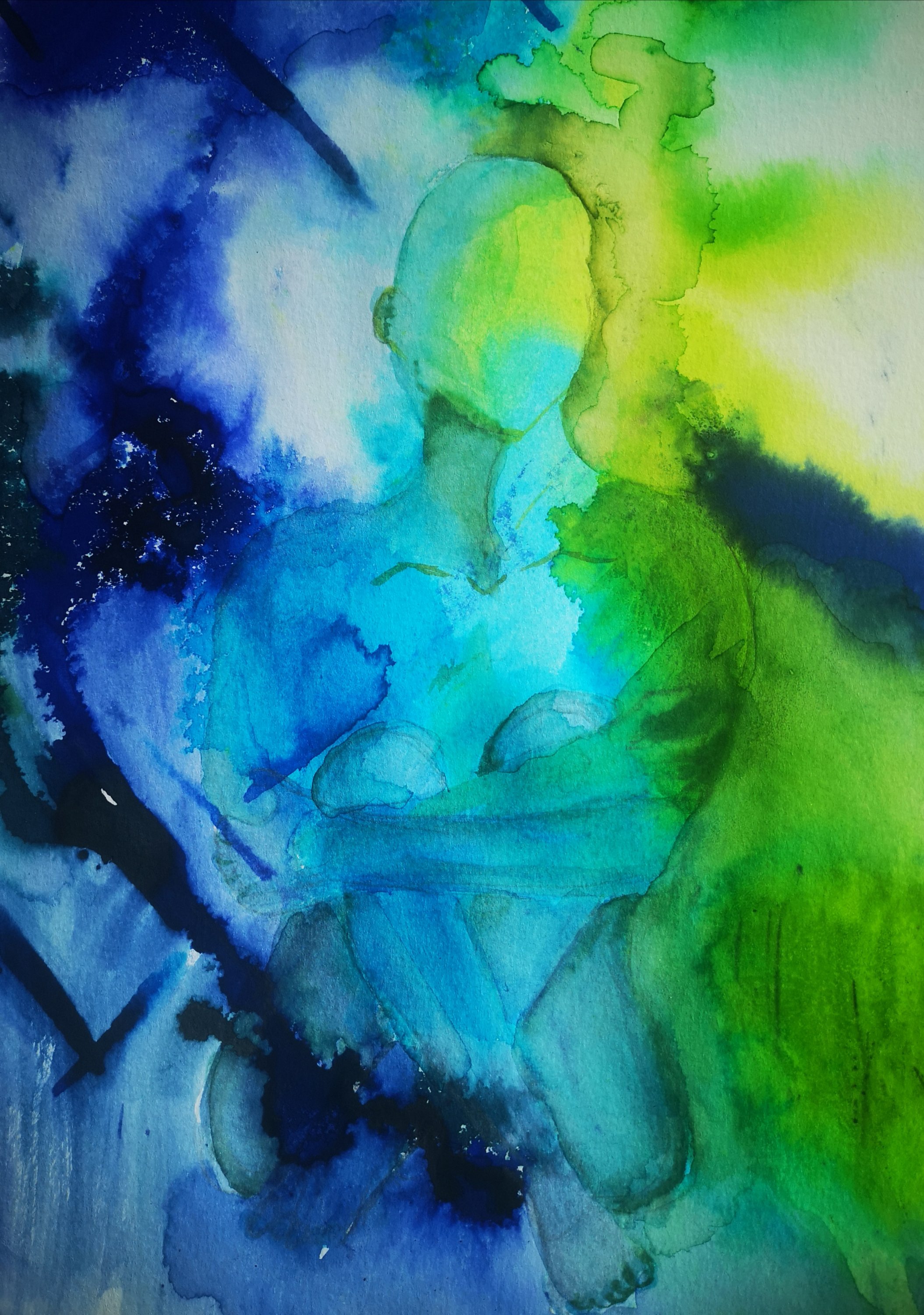
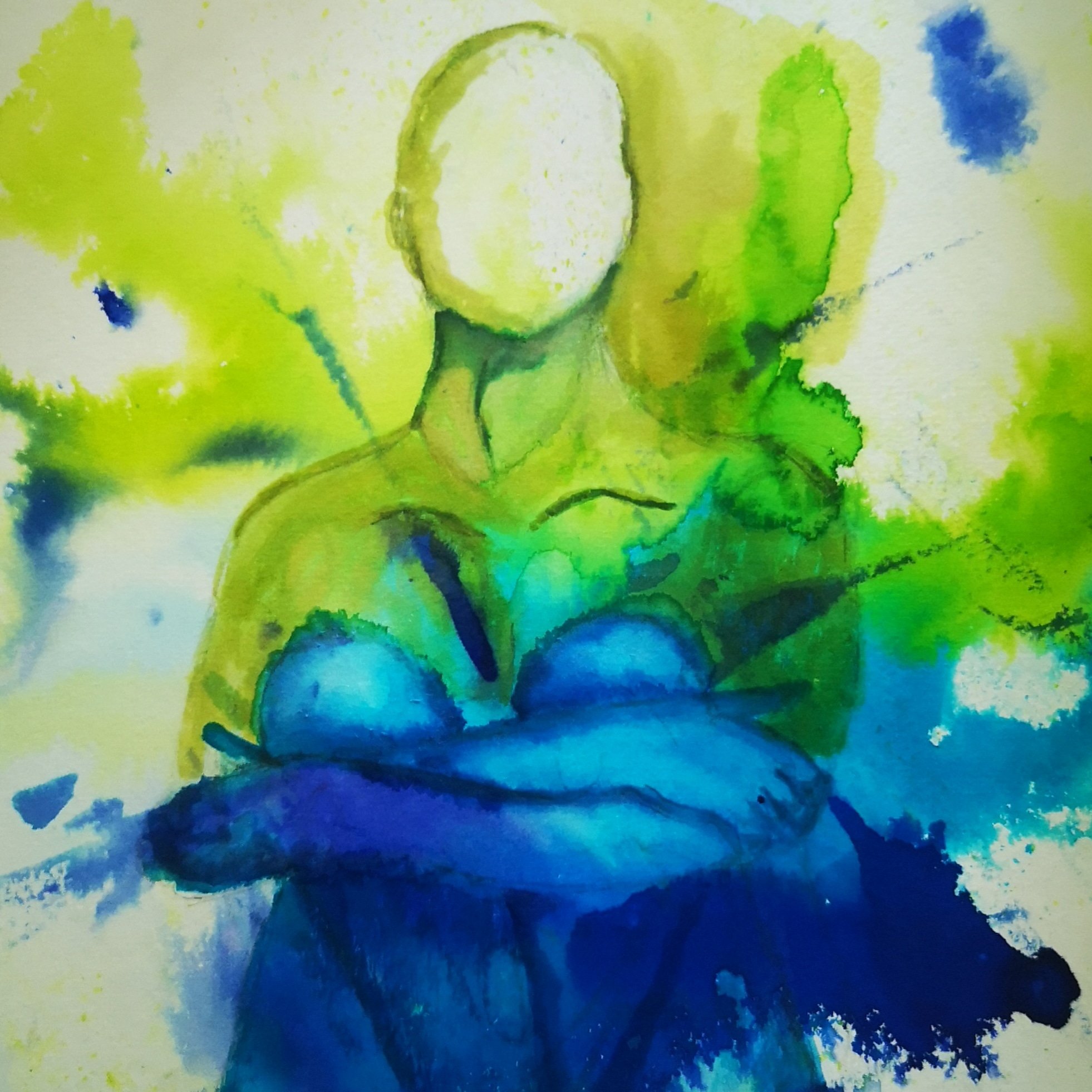
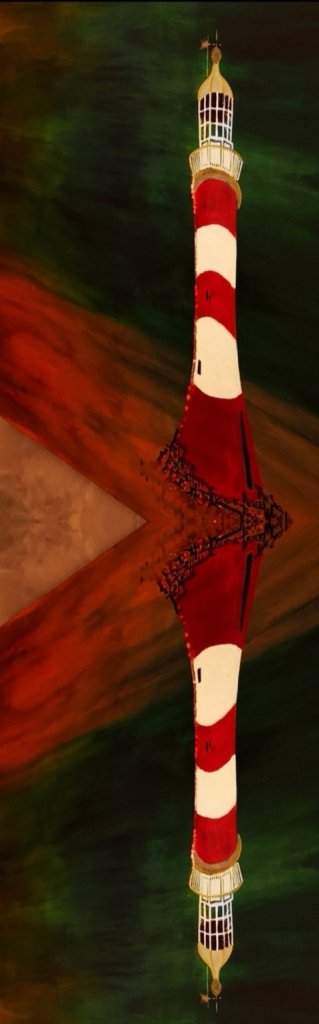
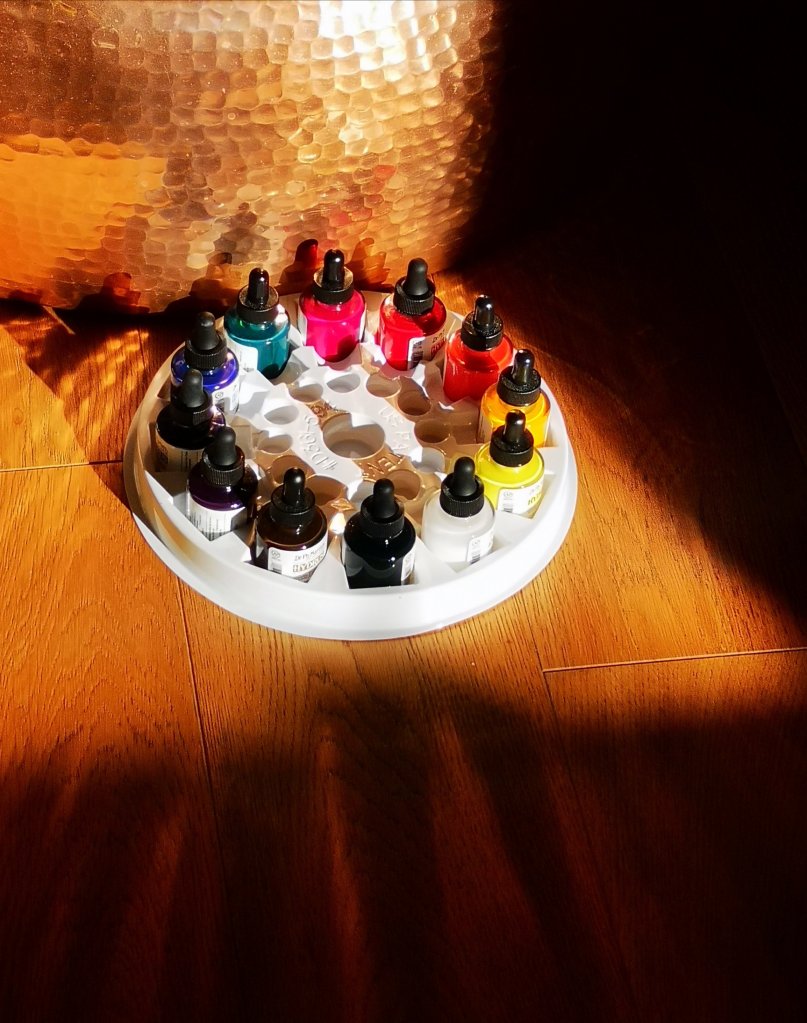
Checking the Instagram page of Drawn To The Valley daily is an absolute pleasure. Our members and other artists work appear on our feed. It took no effort to find these great images from todays feed.

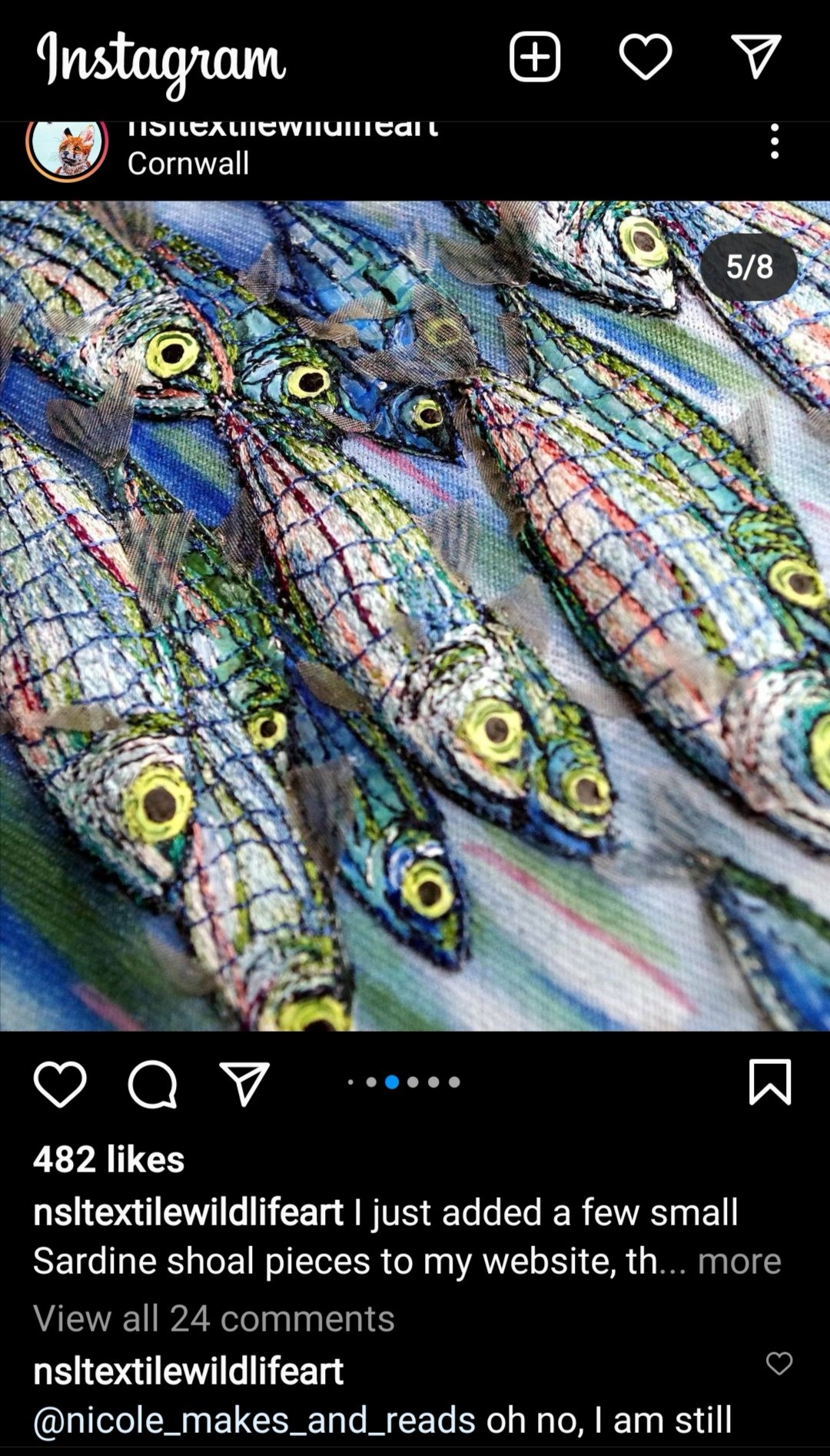
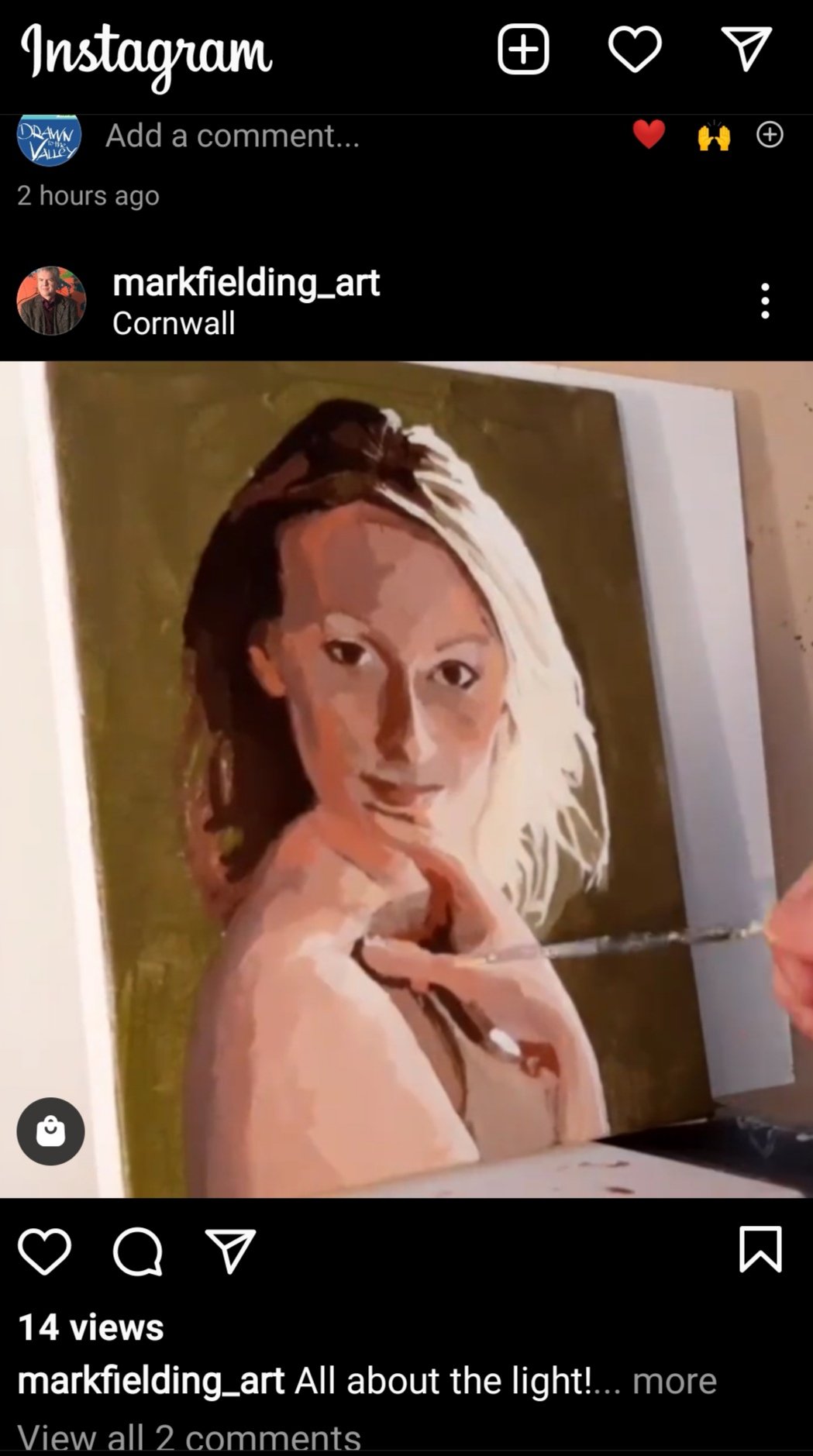
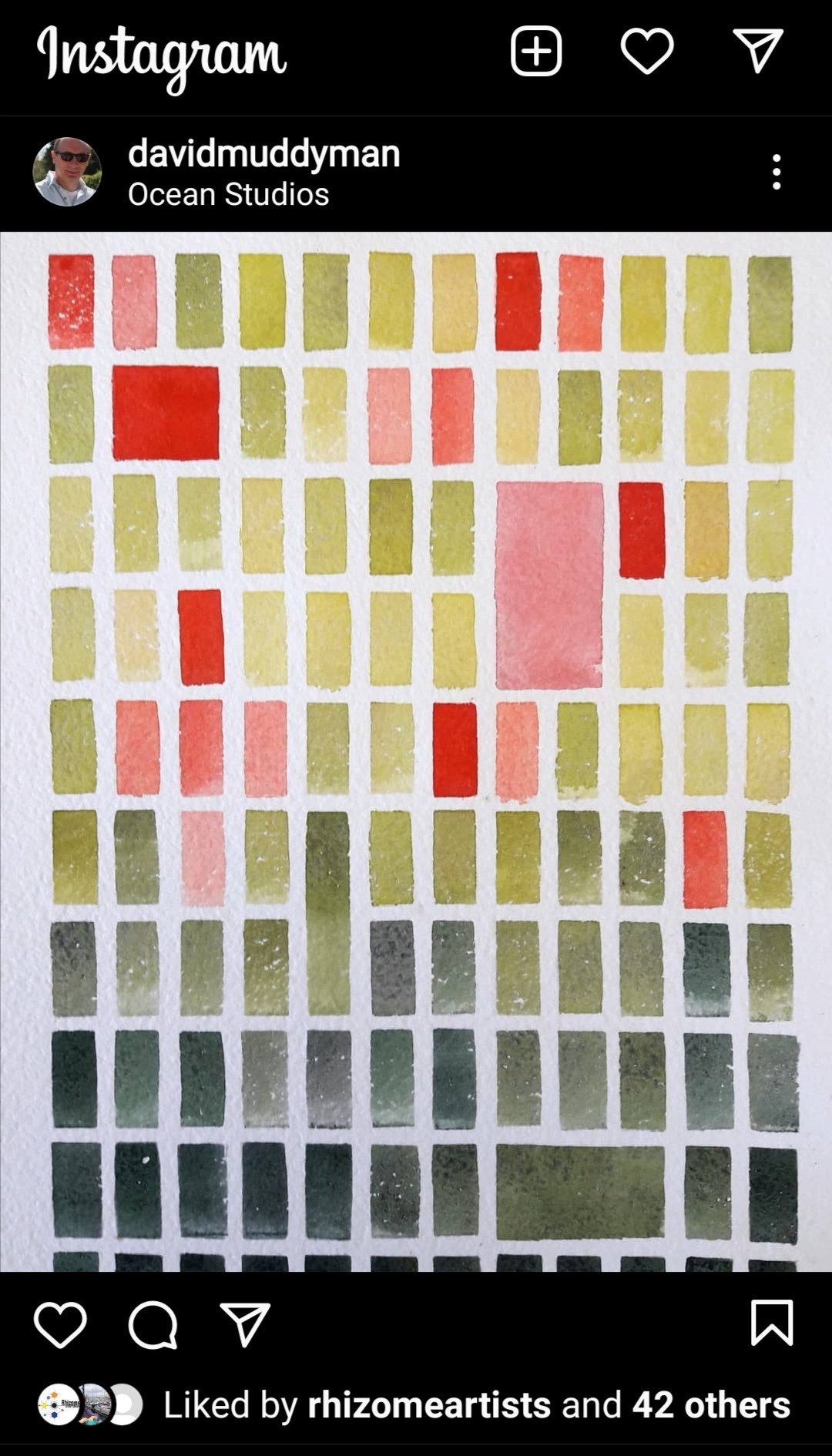

Our Social Media team meet monthly to plan what we need to promote for the group but we also work out ways to increase engagement and attract followers to our pages.
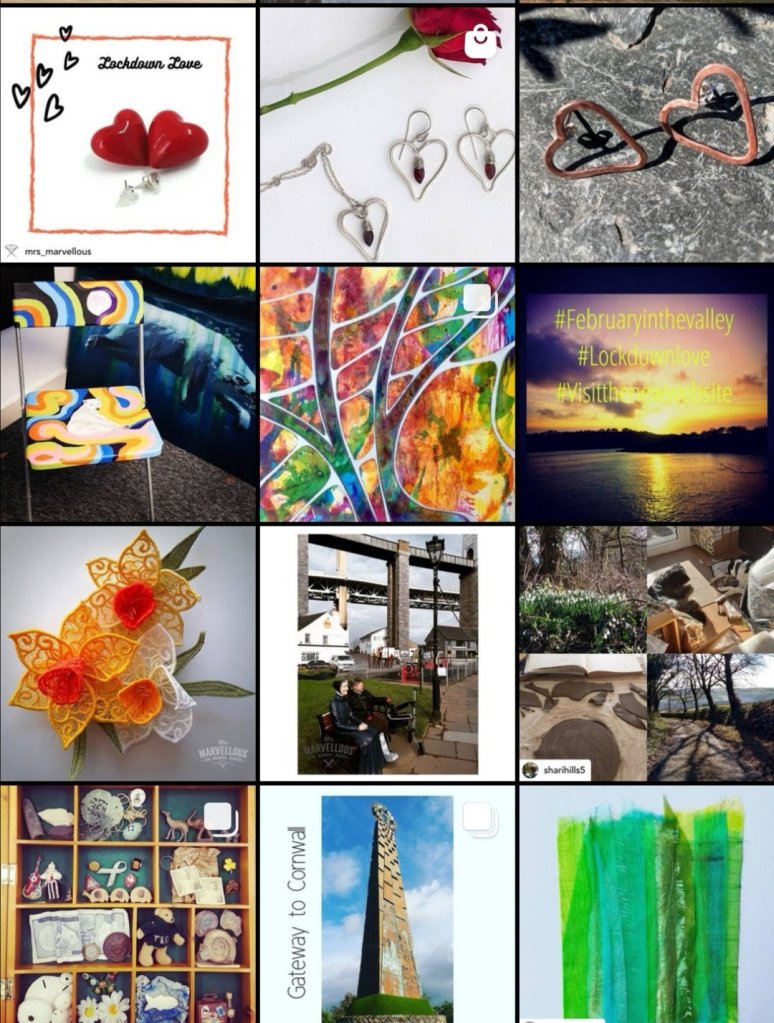
For 2021 each month will have a # that brings the art created in that month together in a grid. #januaryinthevalley, #februaryinthevalley and on for every month of the year.
So far #februaryinthevalley is looking good.

We’ve really had to reconsider how best to use social media to support our members during the Pandemic. We are lucky that Drawn to the Valley adopted social media early and effectively a long time ago, we have some vibrant and effective wisdom in our team. Zoom meetings are never dull.
The pandemic has forced us to shake things up a bit.
Below is a link to our website.
Home
We can also be found on Instagram and Facebook.
There is some lovely art.





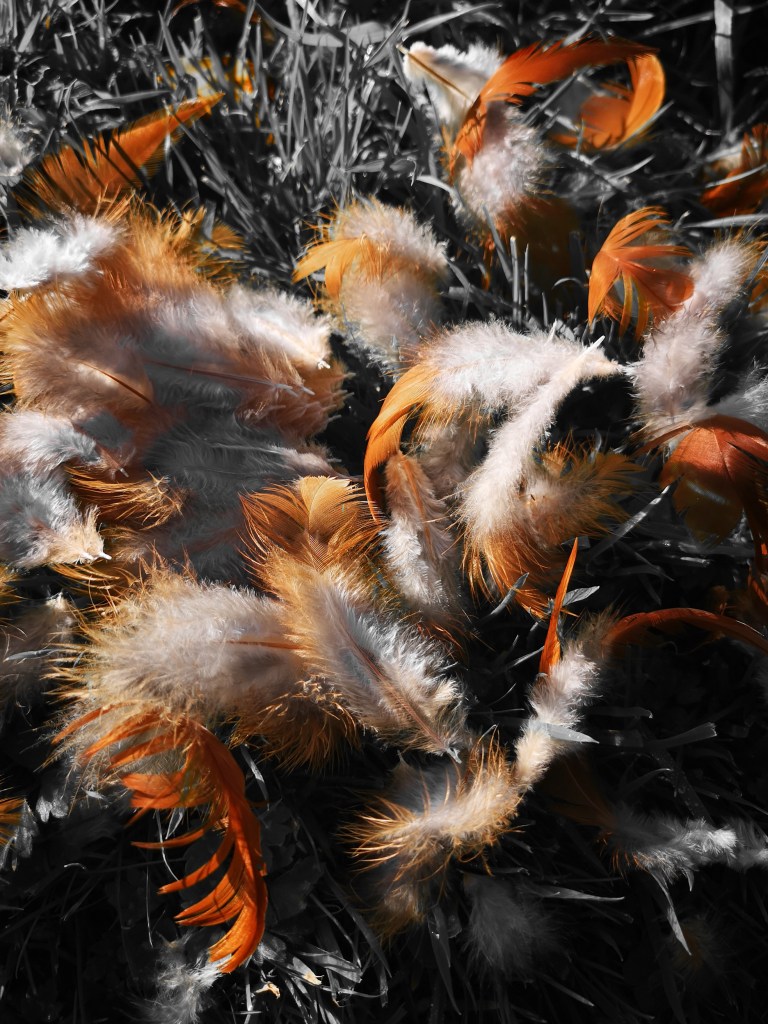


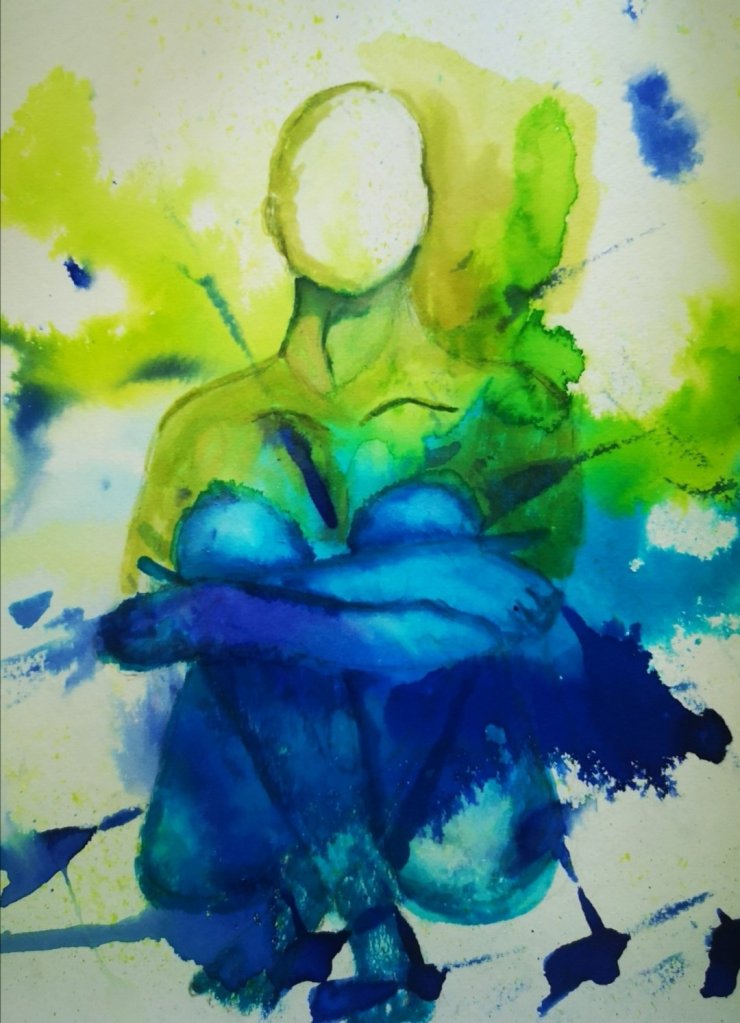


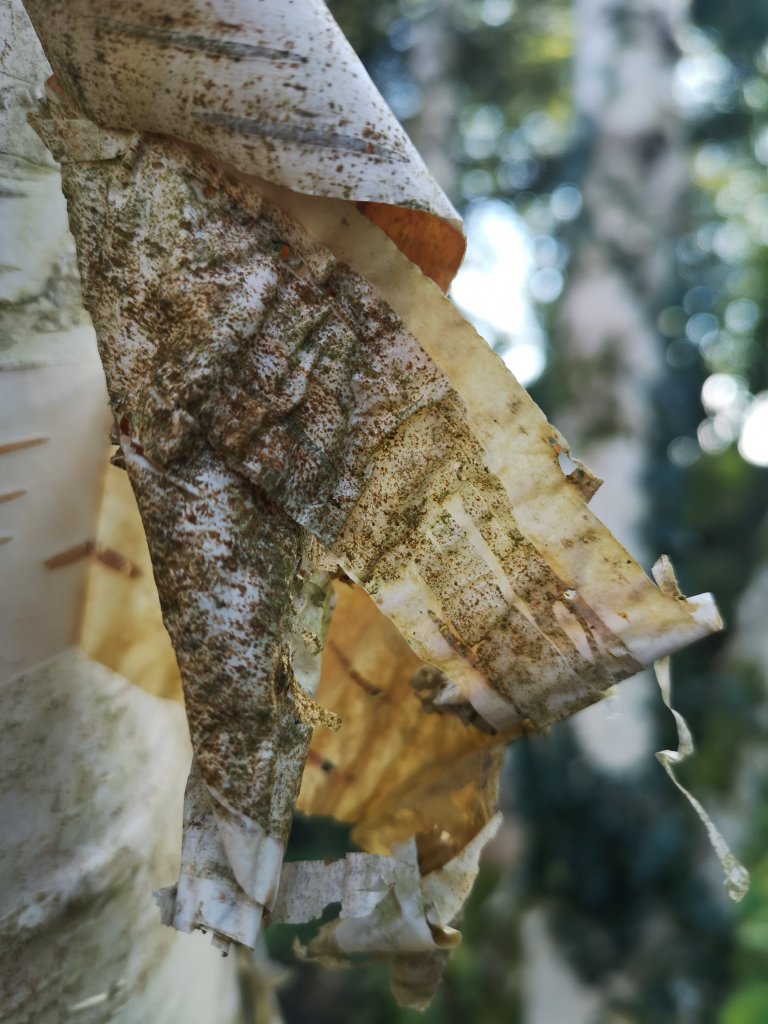


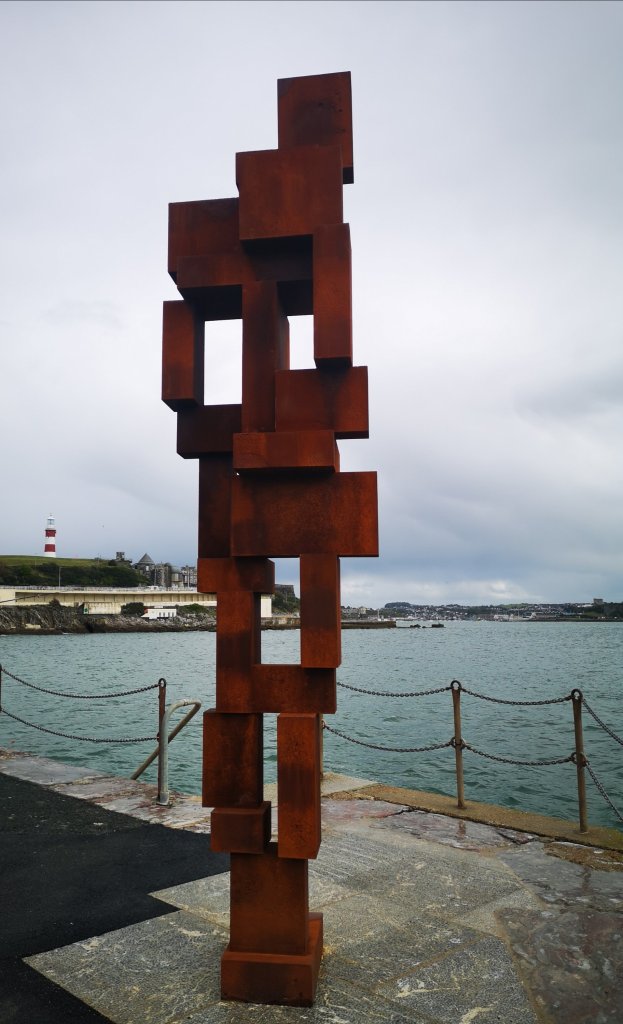

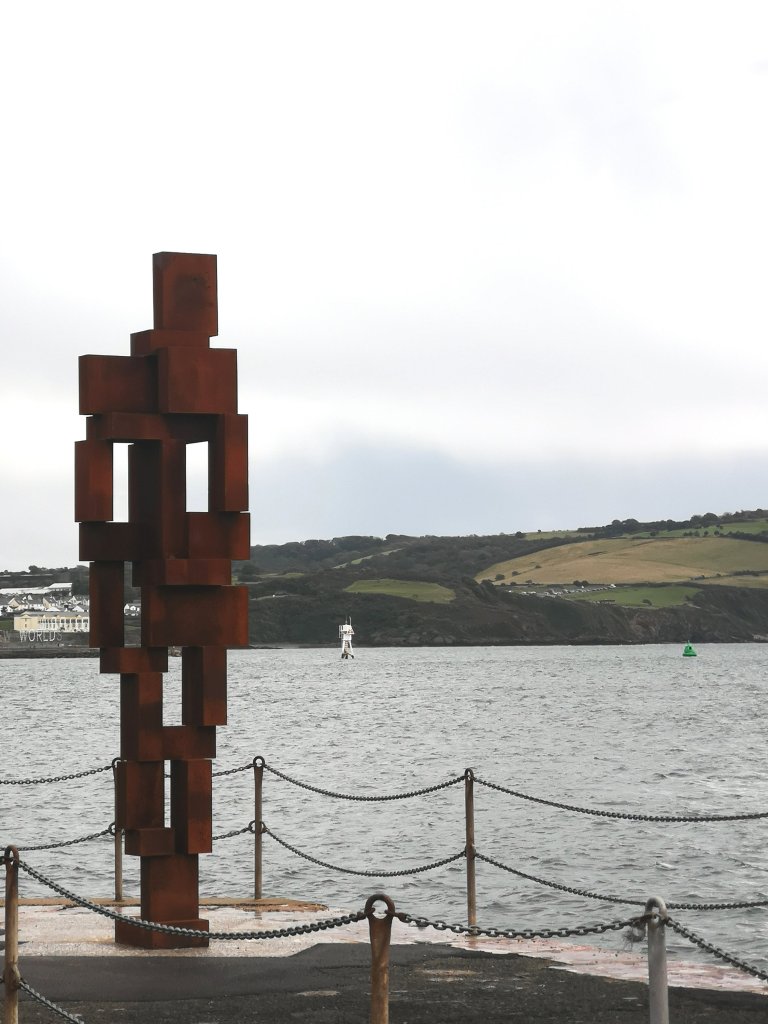

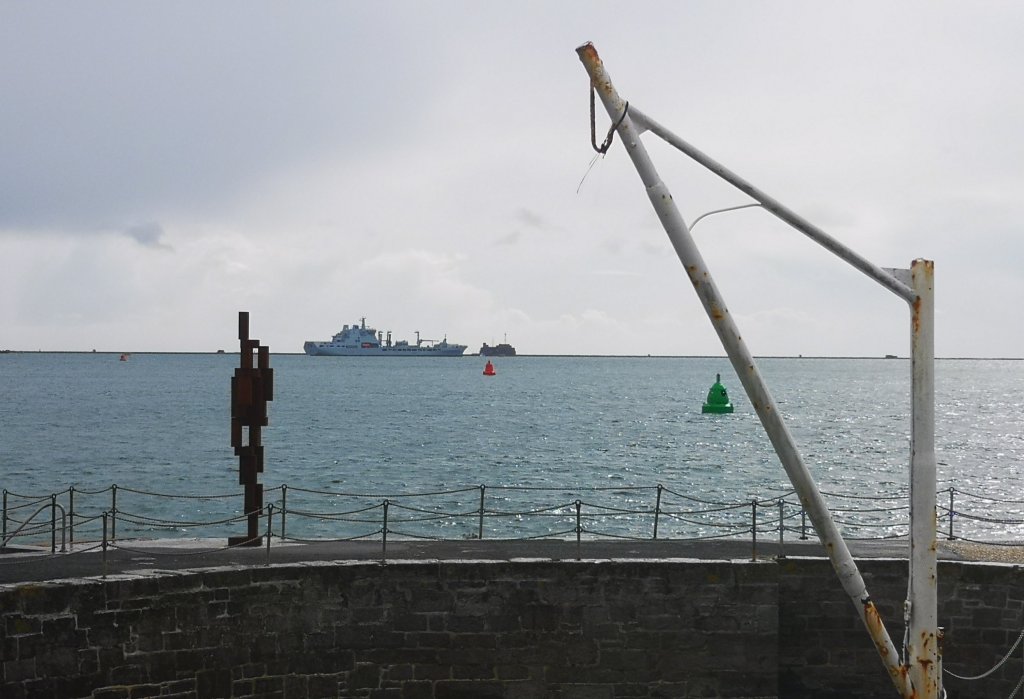

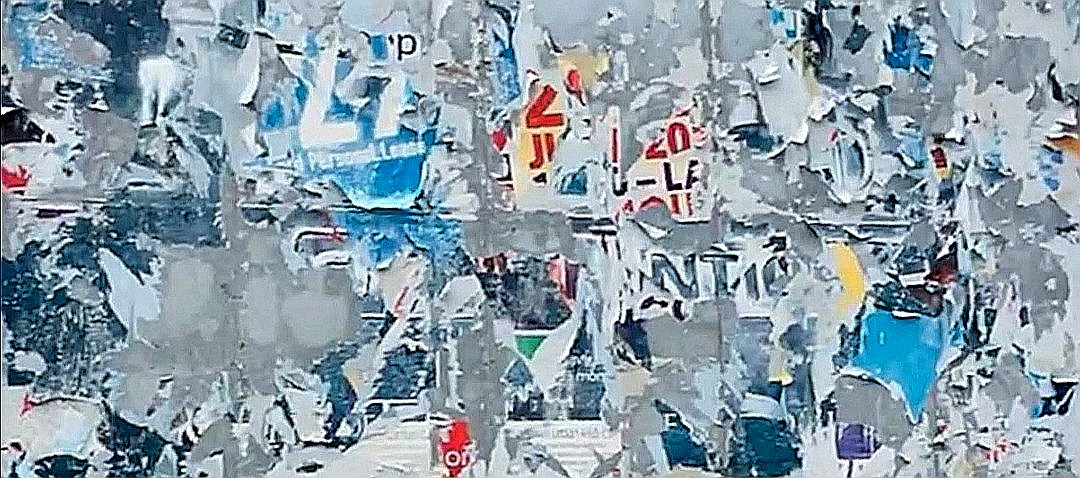
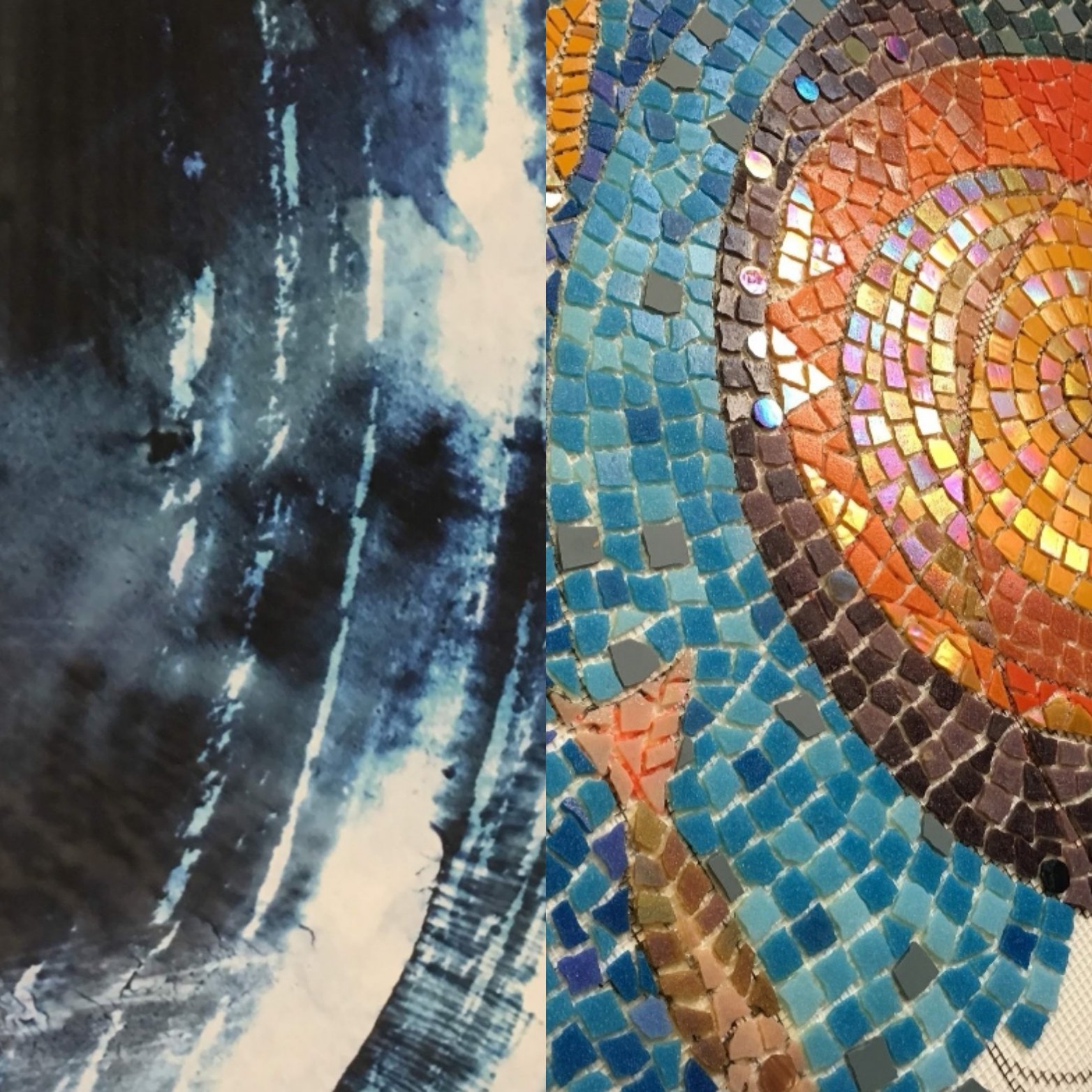
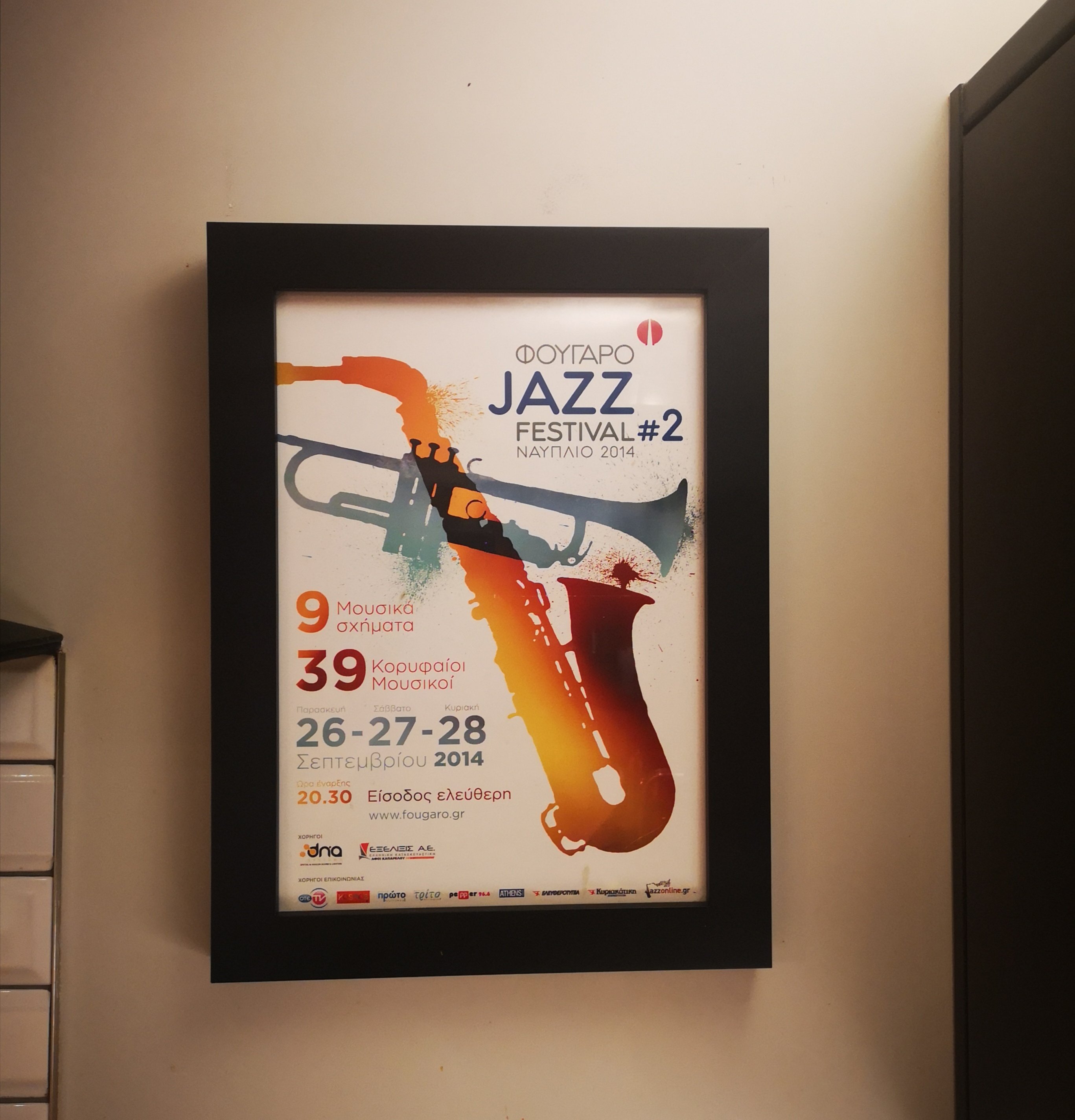


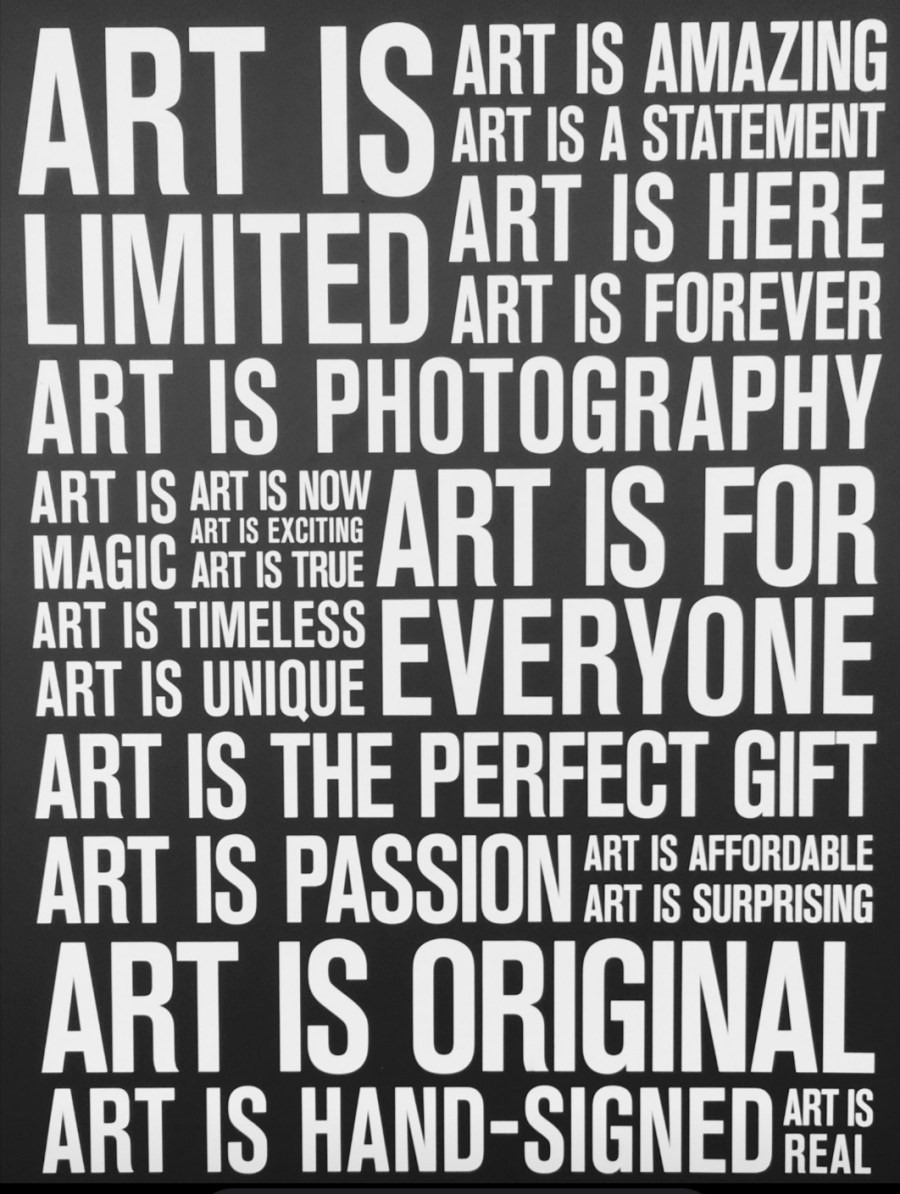
 Print is the prompt word for the Art Group.Printing is Dirty work and I absolutely love to do it. There has not been enough printing in my life.My fish are a popular print.
 But on the whole I do not do anywhere near enough printing.I should do more , it was a printed piece of work that was exhibited at Tate Modern.
 Note to self, spend more time printing.Fine Art printing is one thing but written word printing is a whole other world. Bringing Pandemic Pondering to the written word brings me to The Mayflower and the postponed anniversary celebrationsLocally in Plymouth , England 2020 was set to be a hugely significant year. 400 years since the sailing of the Mayflower and the founding of America. Events were planned all over the place. The Pandemic has delayed celebrations.Printing is the key to this date,not the arrival of settlers.
 The Mayflower was not the first ship to deliver Europeans to America in search of a different life. What made the date of the arrival of the Mayflower significant was the signing of a printed document. The Mayflower Compact. 2020 is the 400th anniversary of the signing of that document. The actual date of arrival of the first European migrants to The New World is unknown. The 400th anniversary had, in reality, already been missed so postponing the party for a year is regrettable financially but not historically a problem of accuracy.https