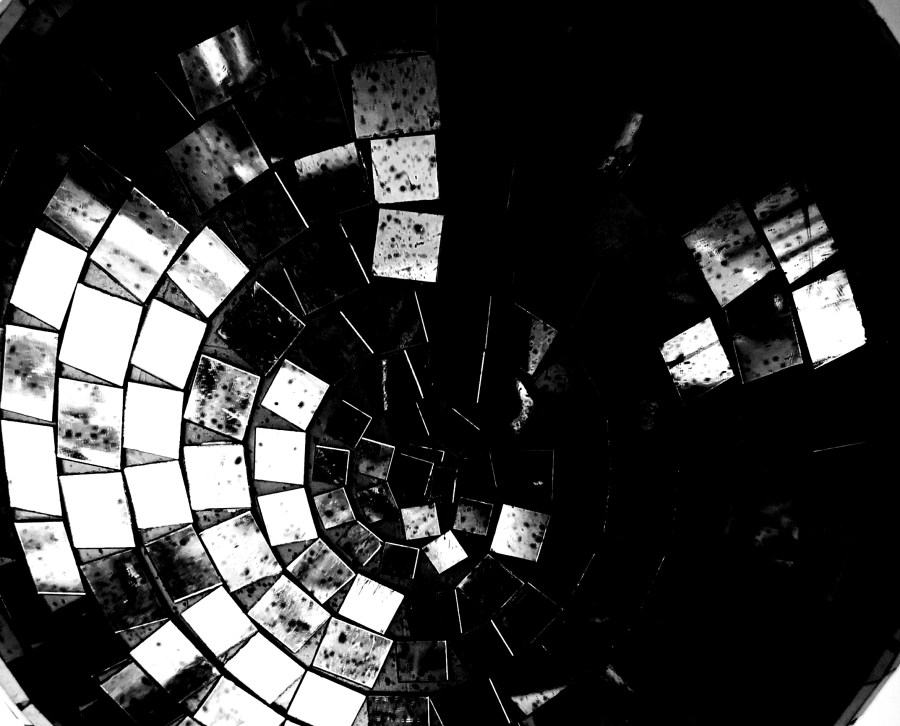
Brixton East.

C4FED57E-9103-48CE-B99D-58CFC5EE24A3

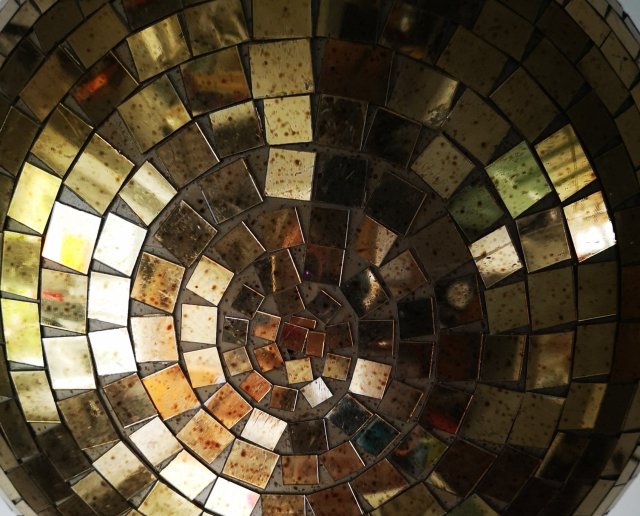
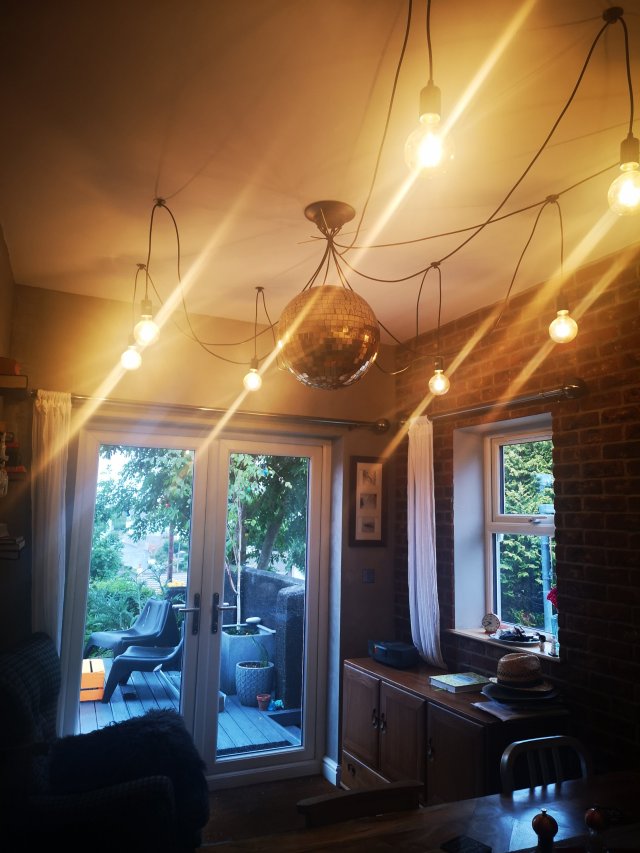
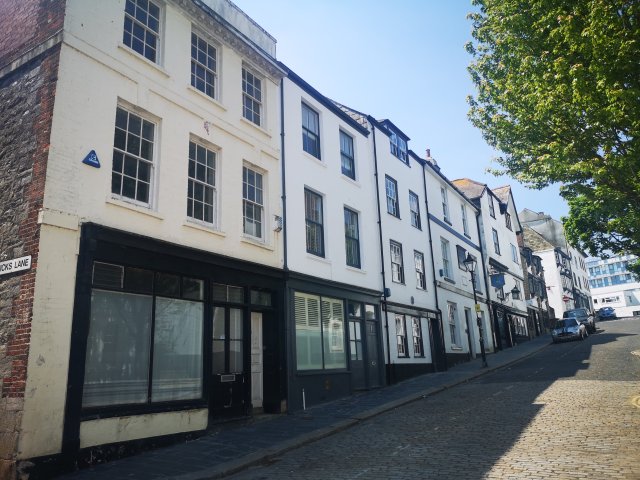
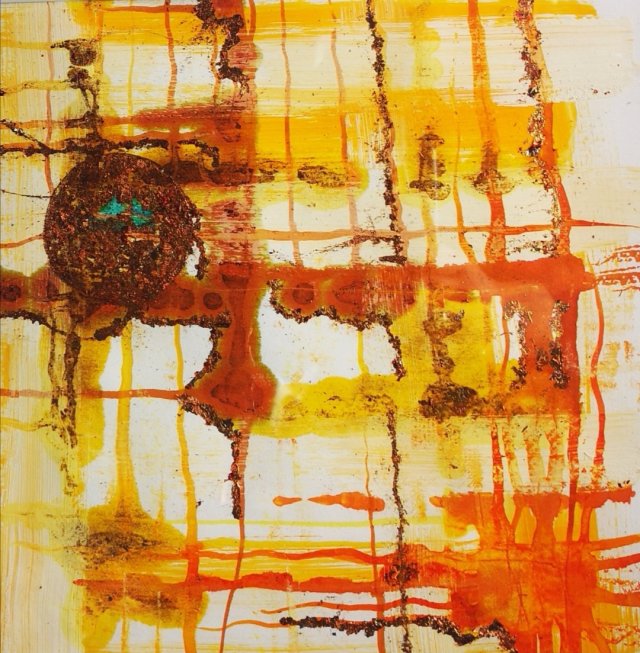
Brixton East is a former furniture warehouse in Brixton. It was my favourite venue for art exhibitions. Sadly it is closed now but I’ve got some lovely photographs from previous exhibitions.

Brixton East was a beautifully designed multi use space. The owner had a flat cleverly located to the rear at first floor level.

It was a very trendy place , used for weddings, photoshoots and product launches, after parties for musicians playing at the nearby Brixton Academy.

It was a great location and venue, I loved it for the textures of the building.

In part the beauty of the building brought people in to exhibitions. Stewarding at this venue was always stimulating , the most intriguing people popped in to see the art and have a natter.

While fact checking for this blog I’ve discovered that it has reopened under a new name.
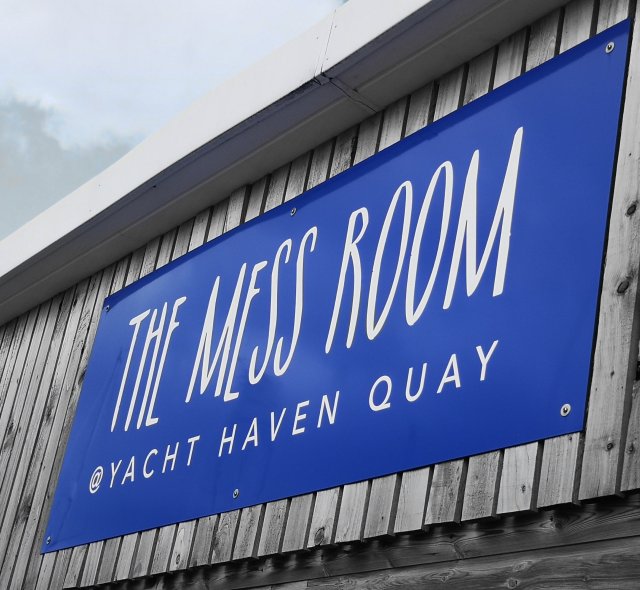
https://www.100barringtonroad.com/

Hugo learning to be an art critic.

A row of books.

Any row of books has potential.

A row of books that are beautiful, but fakes,  should be disappointing.

Tate Modern bought ‘British Library’ by Yinka Shonibare CBE in 2019.

The installation of 6,328 books is as much a space for contemplation as the Seagram Murals by Rothko in the same building .
https://www.tate.org.uk/visit/tate-modern/display/in-the-studio/mark-rothko

My response to Rothko is to be peaceful and calm. Shonibares work makes my head fizz. It’s not just the vivid, vibrant colours but the stark utilitarian librariness of it.

3 walls of a gallery are filled with bookshelves. All the books are brightly coloured, covered with Dutch Fabric, a mass produced batik style material from the Netherlands. On the spines in gold leaf are the names of first or second generation migrants to Britain who have made significant contributions to the culture or history of Britain. Some books have the names of people who have opposed migration, this negative group is balanced by the huge number of books that have no names on their spines representing the future when currently unknown migrants will boost and embellish British life in unimaginable ways.
https://www.tate.org.uk/art/artworks/shonibare-the-british-library-t15250

Central to this exhibition is a website where migrants or their descendents can add their stories. These additions can be read on the website.

I took my small granddaughter, also a migrant, to this exhibition before she was one. Already a lover of colourful books I plan to take her regularly until she can add her story.

https://thebritishlibraryinstallation.com/about/

The Guardian ran an article about Yinka Shonibare last week.

https://www.theguardian.com/artanddesign/2020/jan/13/yinka-shonibare-london-nigeria-african-renaissance

Monty Python shining a light in North East Essex

The death today of Terry Jones, founder of Monty Python, has produced the most loving of remembrances. Eloquence was his trademark and was sadly the thing that his dementia robbed him of.

Monty Python is credited with being an icon of 1970’s pop culture and the beginning of new wave comedy.

In a quiet corner of rural North East Essex the effect of Python, on me, was profound.

My parents had no fears of its influence on their only child. Friends with less enlightened parents gathered in our house to watch it, teaching me to be more sociable.

Python accompanied me through the awkward early teenage years from 1969- 1974. 45 episodes of surreal comedy not only made me laugh but exposed me to the establishment that they were disrupting with their anti-establishment humour.

Not particularly one of their funniest sketches, this one sticks in my mind because I knew a Michael Ellis.
https://www.sbs.com.au/ondemand/video/1530529347579/monty-pythons-flying-circus-michael-ellis

Python learning continues long after those 5 years and 45 episodes.

Michael Palin takes me around the world

Terry Jones The Life of Brian and Mr Creosote, guaranteed laughter. Mediaeval history was also his thing, I dabbled.

Eric Idle, Spamalot a musical for people who don’t like musicals.

Graham Chapman, a medical student at Bart’s before he was a Python.

St Bartholomews Square from KGV building

Reason enough to choose a place to study.

John Cleese so much more than Fawlty Towers but Fawlty Towers changes the way anyone thinks of British seaside holidays.

Terry Gilliam, Time Bandits nothing more to be said.

RIP Terry Jones.

Dead? No excuse for laying off work.

Time Bandits

The River Effra, digressions and a memorial bench.

The River Effra plays a big part in my London life. Rising out of the ground near my home in Crystal Palace it has been constrained by engineers and now runs underground nearly all the way to Vauxhall Bridge where it emerges from a culvert to join the Thames.

Effra emerges and looks like a small lake in Belair Park, Dulwich, where Hugo and Lola love to walk. Then she sinks back underground.

I always think of Effra as a woman because Effra is a character name in Ben Arronovitchs series of books The Rivers of London.
Effra, the character, is the daughter of Mama Thames she has a BA in History of Art and is said to be very involved in UK Grime.

Just a little digression there.
Effra gives her name to.all kinds of things .

Effra Parade in Brixton

Effra Parade bus stop on the number 3 bus route.

More digression.

One of the most interesting bus routes in London. During a conversation this weekend someone said I loved riding buses because I’m a socialist. I’m not sure that’s entirely true. I love riding buses because the front seat at the top of a London bus is a joyous calabash of cultures, particularly suited to a nosey person. The front seat on a number 3 is sublime.

Effra Social.A bar and casual dining location with iconic status in Brixton. Previously the Conservative Club.

Effra Farm in the 1790’s roughly where Effra Road is.
The point, however of this blog is the lake in Belair Park where Effra takes in some daylight between underground journeys.
Belair Park has less memorial benches than many London parks but there is one in a very picturesque spot.As usual with memorial benches I’ve used what3words to locate it.Whoever Guy Robinson was his friends and family have chosen a lovely spot to position his bench.It is very close to a picture I took to manipulate into some lacy pictures.The last image is my favourite, it sums up the mystery of an underground river.

Surrealism and a small person Quickie #12

Explaining surrealism was not required on this occasion. This is a fine example of surrealism from Salvador Dali. The added surrealism of a landline phone, surely soon to be obsolete, intrigues me alongside a need for conformity which is illogical.

I’m bothered that it bothers me that the lobster has been put into the receiver by a left handed person. It troubles me more than the fact that it’s a Lobster which doesn’t trouble me at all.


https://colchesteroysterfishery.com/products/small-canadian-lobster

Tobacco Tin

This little tin has been in every home I’ve lived. I know it and its content very well and yet I know nothing about the original owner.

This was all my mum had kept of her first fiance.

He was killed in a motor bike accident in the early 1950’s.

She would never talk about him but the nature of his death caused both my parents to be certain that they didn’t want either their only child or their grandchildren to ride motorbikes.

His name was David and he may have lived in or around Braintree in Essex England, but equally he could have been stationed at any East Anglian Air field and be from anywhere.

His surname may have been De’Ath but that could also be wrong.

These are the artifacts from the tin.

Its a sad little collection, on the whole as a family we’ve avoided motorbikes.

Your last time in a darkroom.

I was driving over Dartmoor on Wednesday. This programme was on the radio. A fine example of serendipity. The artist featured in this broadcast is based on Dartmoor. I had never heard of Garry Fabian-Miller. Something I need to remedy, but for now his subject matter was what interested me.

https://www.bbc.co.uk/programmes/m000d70k

Garry Fabian- Miller creates images with a dark room but not cameras.

His days in the darkroom are numbered as the production of photographic developing chemistry is coming to an end.

He speaks movingly about leaving his darkroom.

Darkrooms are one of the casualties of the digital photography/imaging revolution.

I don’t remember the moment when I left a darkroom for the last time.

It’s madness that such a significant part of my professional life slipped away unnoticed and without a fitting farewell.

Medical darkrooms could be massive spaces serving many x-ray rooms with automatic processors or tiny cupboards with smelly tanks of developer and fixer for hand processing. Darkrooms have a strange life of 24 hours of darkness illuminated only with red lights. The similarity to nightclubs doesn’t stop there. Darkrooms are not unused to illicit liasons, or it has to be said, cockroaches. Either way it was always wise to clatter about a bit before entering a dark room, particularly at night or weekends. I rather wish I had taken the time to say goodbye.
Half an hours listening to the programme in the link is worthwhile even if darkroom nostalgia or art are not your thing. This is a gentle conversation about more than those two subjects.